 ↗
Environment · 2026.11.22
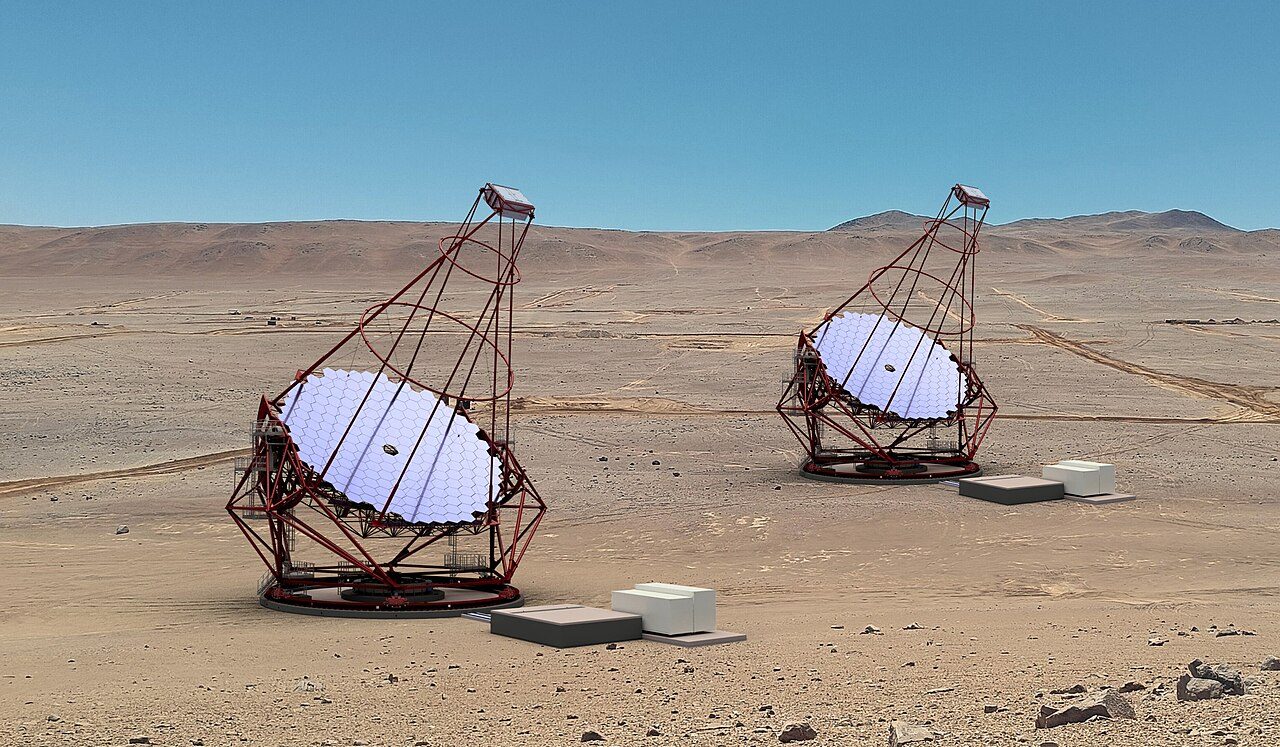
ESO announced on 19 November 2026 that CTAO-South at Paranal will add two Large-Sized Telescopes, bringing the site to 53 telescopes and extending its reach to lower gamma-ray energies.
 ↗
Environment · 2026.11.22
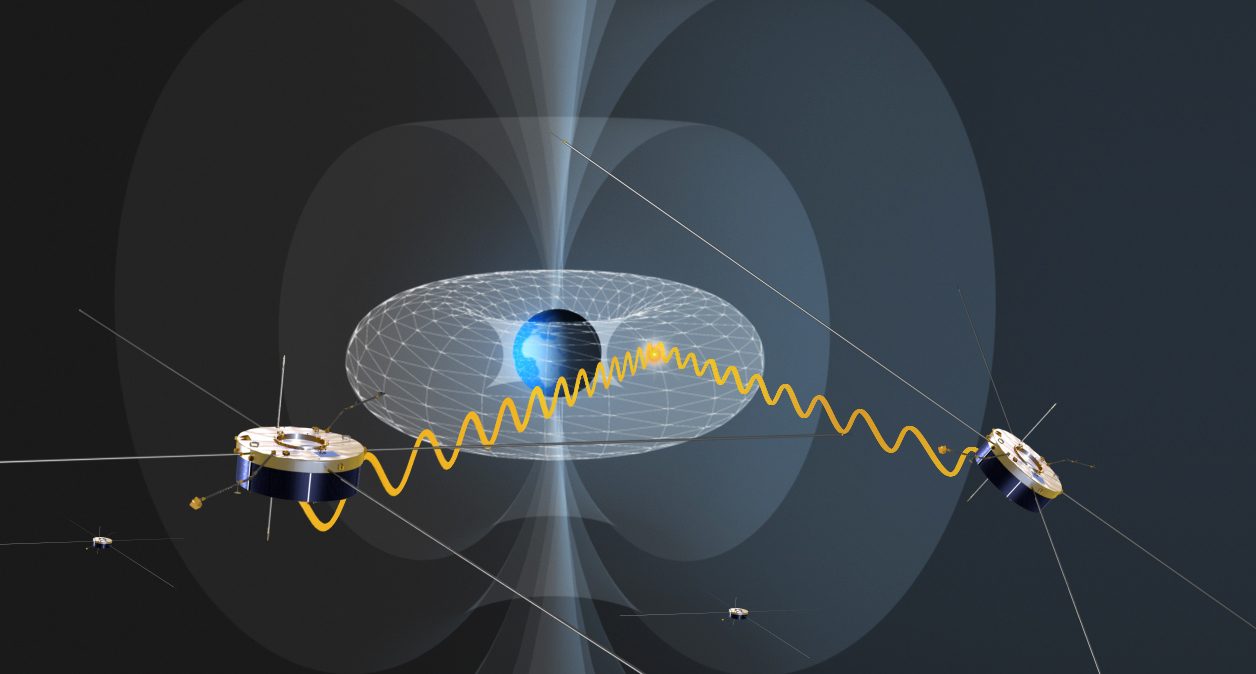
On 19 November 2026 ESA formally selected the seven-spacecraft Plasma Observatory as its M7 medium-class mission, aiming to measure plasma processes across many scales at once.
 ↗
Environment · 2026.11.22
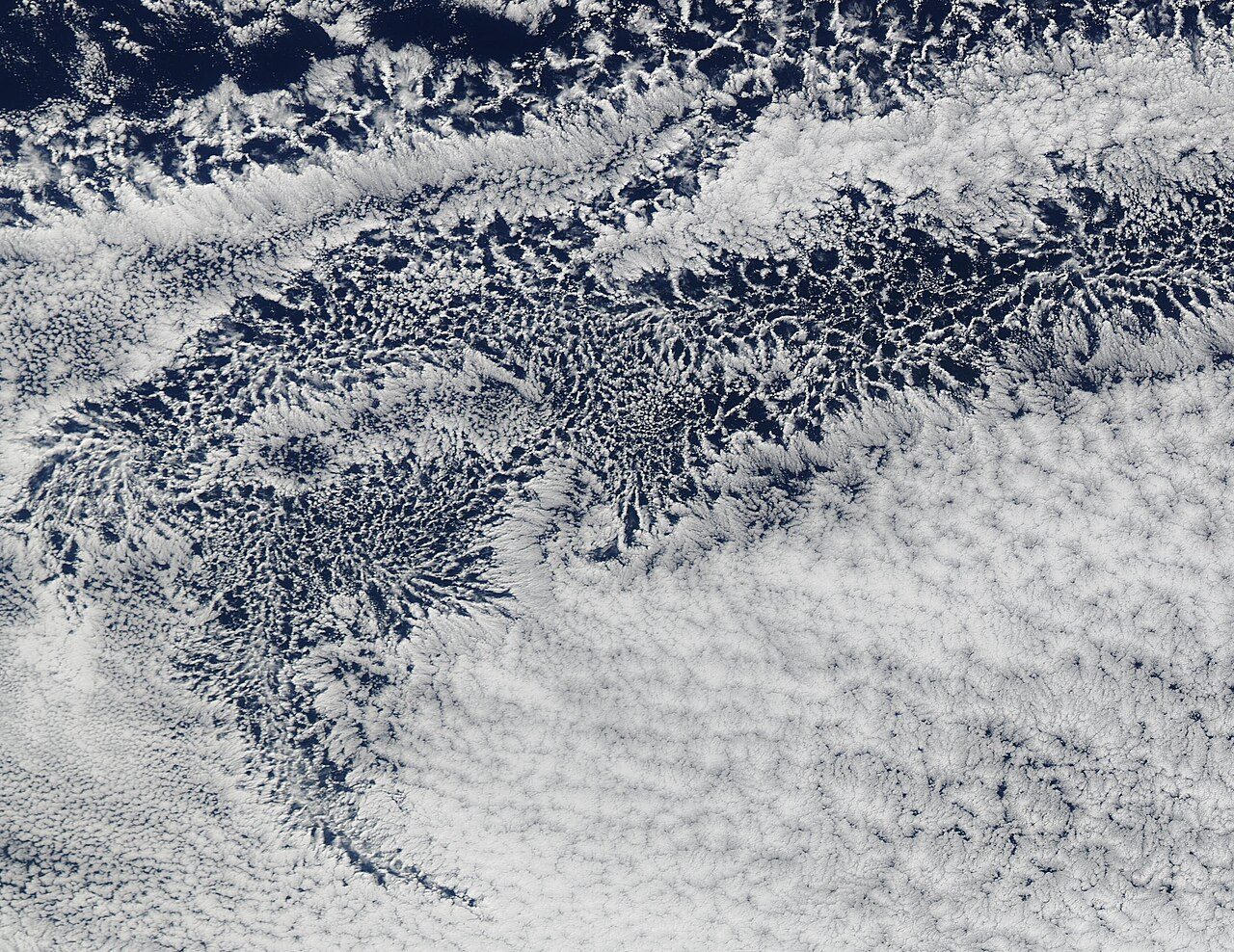
A study using ESA's EarthCARE satellite and GOES imagery finds rain and liquid water rising in marine stratocumulus up to 25 hours before the clouds shift from closed to open cells.
 ↗
Environment · 2026.11.22
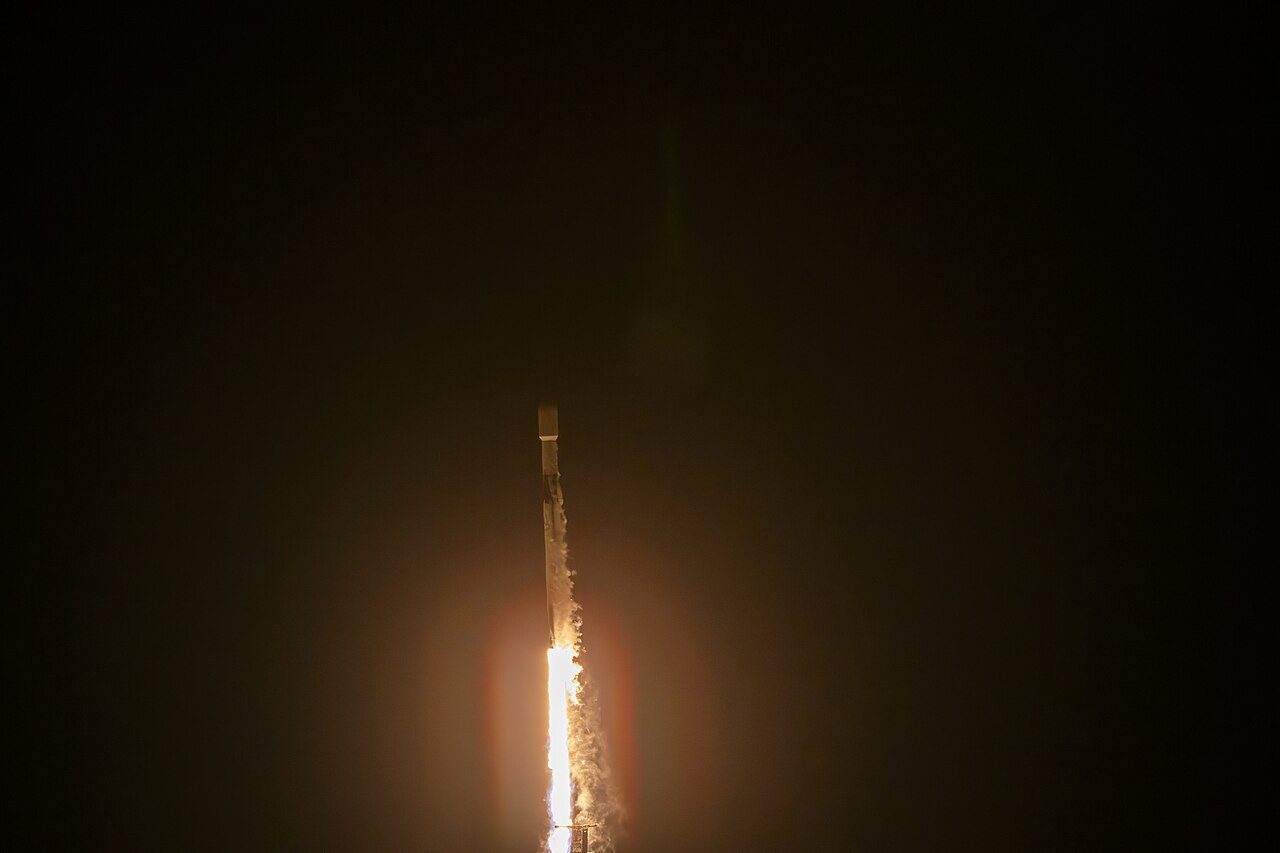
NASA JPL says Sentinel-6B is calibrated and will become the sea-level reference satellite in January. The public record leaves the year, the date of the orbit shift and the length of the tandem phase unstated.
 ↗
Environment · 2026.11.22
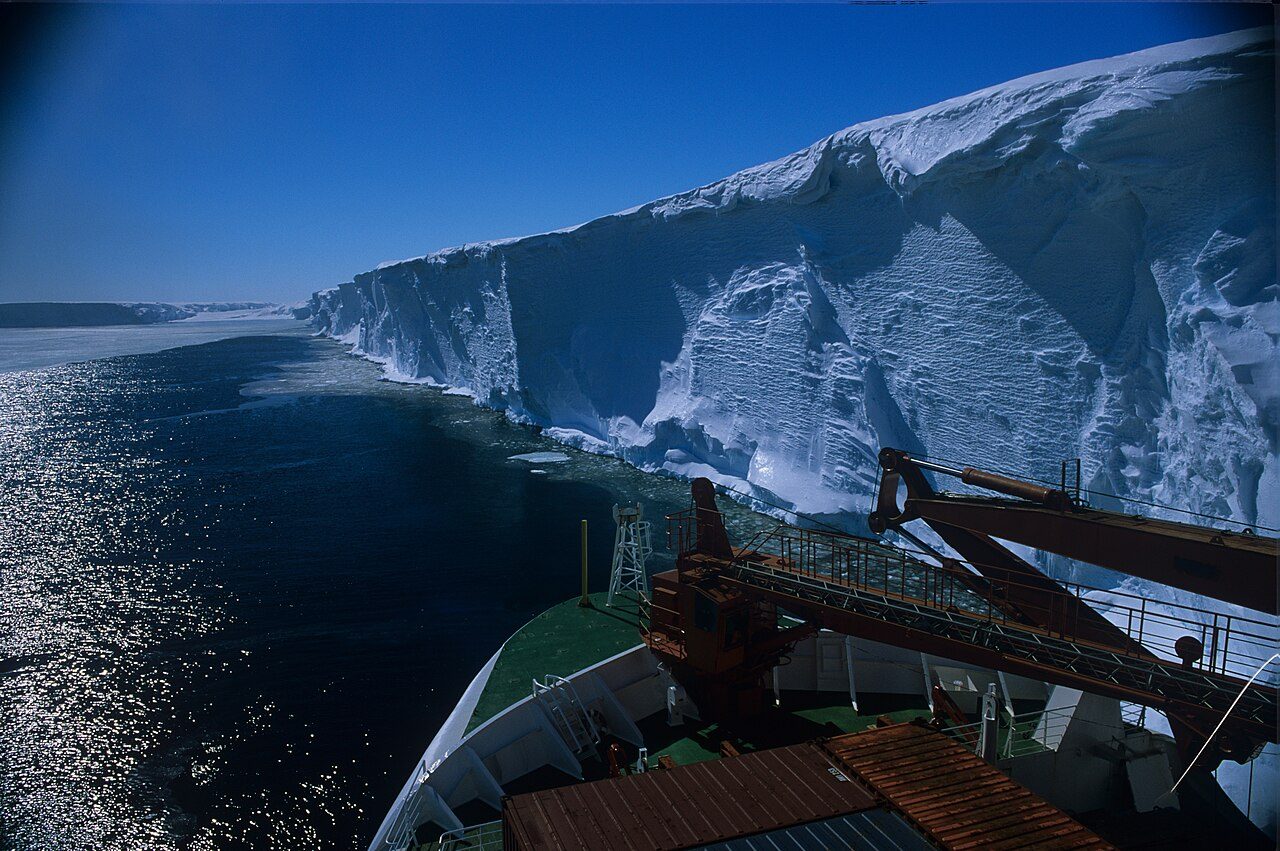
After a Frascati workshop, Antarctica InSync is drafting an implementation plan that would link ship, station and satellite observations of Antarctica and the Southern Ocean; final publication is planned for early 2027.
 ↗
Environment · 2026.11.20
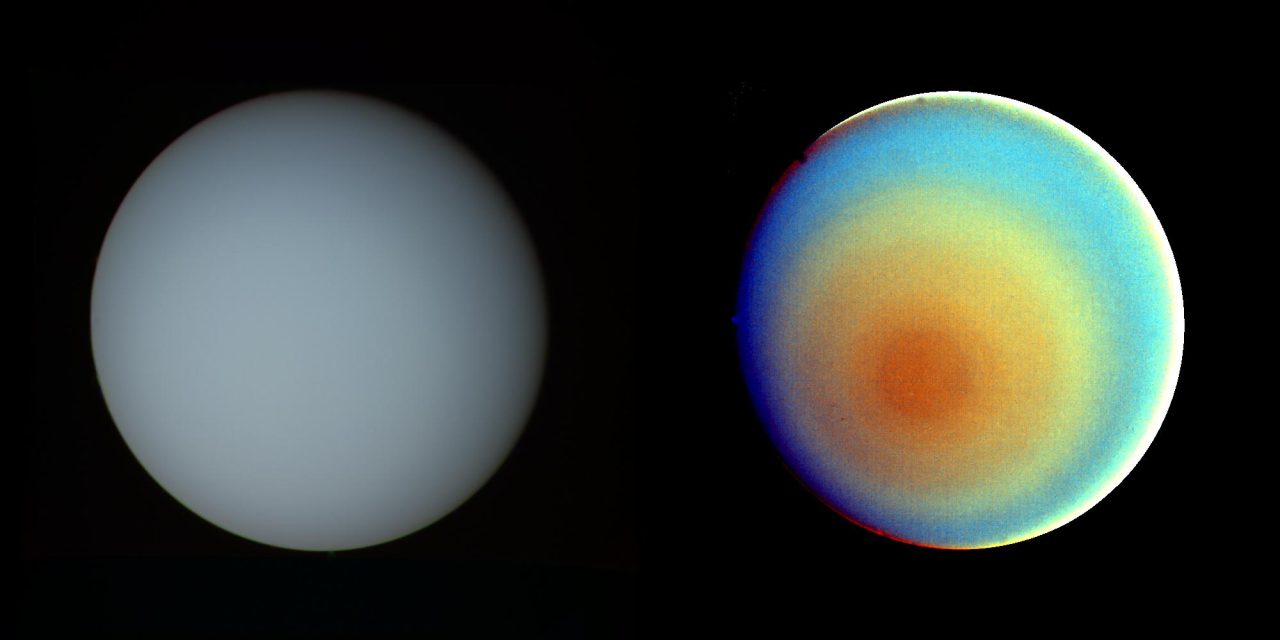
Uranus will stand opposite the Sun in Taurus on November 25. That geometry makes it a good target, but at about magnitude 5.6–5.7 and just after a full Moon, it can still be hard to distinguish from a star.
 ↗
Environment · 2026.11.09
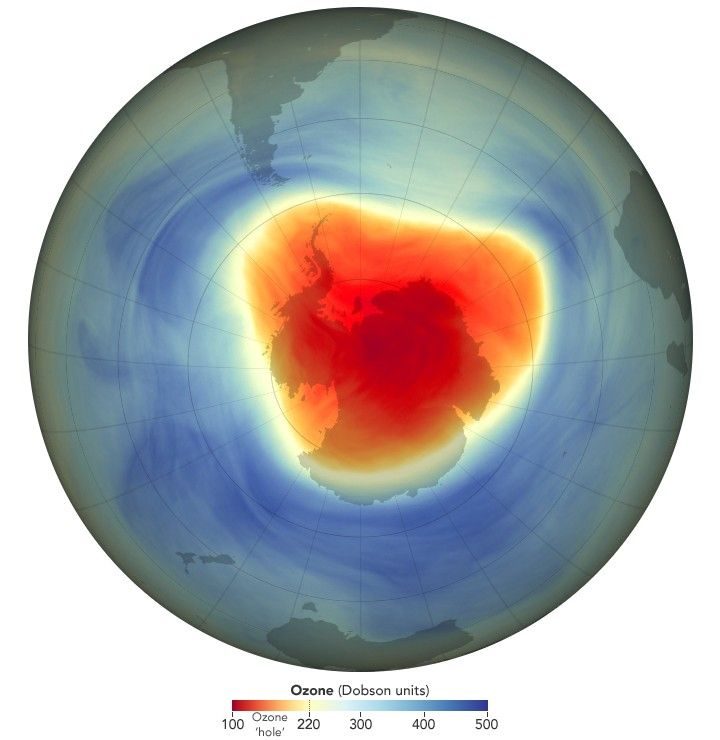
NASA and NOAA's November 4 season summary ranks the 2026 Antarctic ozone hole seventh largest in 48 years by seasonal mean area, with a 27.1 million sq km peak on Sept. 18 and a 105 DU low on Oct. 17. Scientists blame a large polar vortex, not new chemistry, and still project recovery by the 2070s.
 ↗
Environment · 2026.11.05
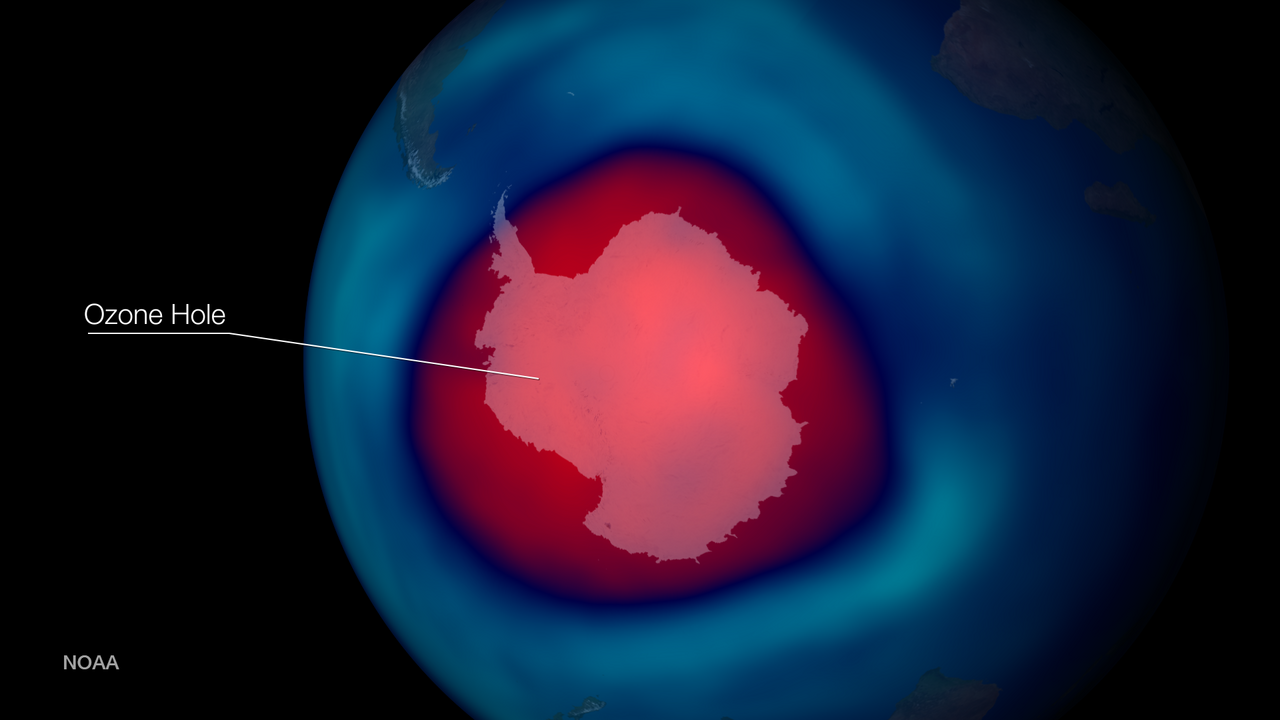
NASA's daily series and Copernicus give different peak figures for the 2026 Antarctic ozone hole; NASA's data also show the area growing again in October before shrinking.
 ↗
Environment · 2026.11.02
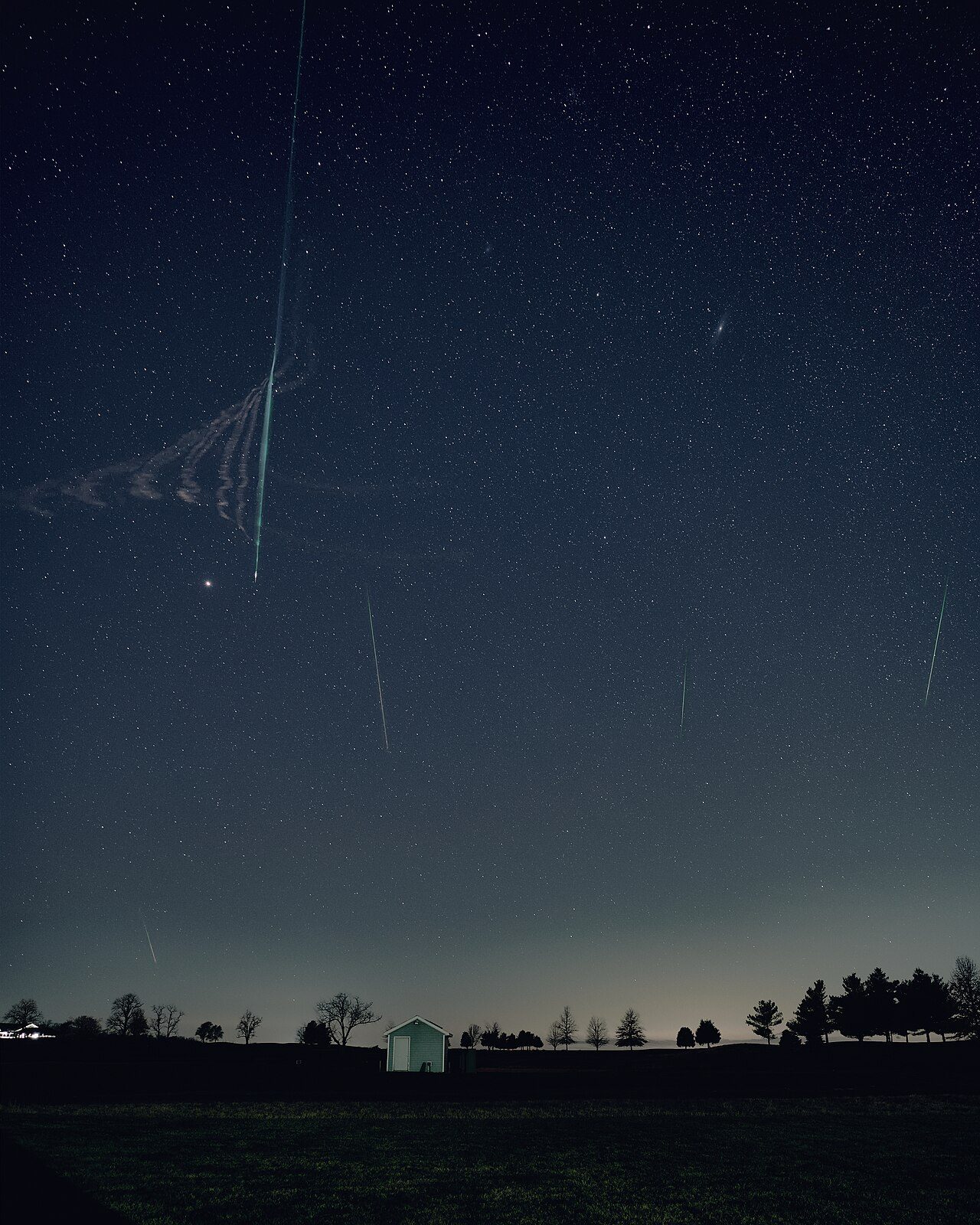
A guide to November 2026's sky highlights: a new Moon on 9 November, the Leonid shower peaking around 17-18 November, Mars and Jupiter within about a degree on 15-16 November, and a full Moon on the 24th that Royal Museums Greenwich calls a supermoon.
 ↗
Environment · 2026.10.29
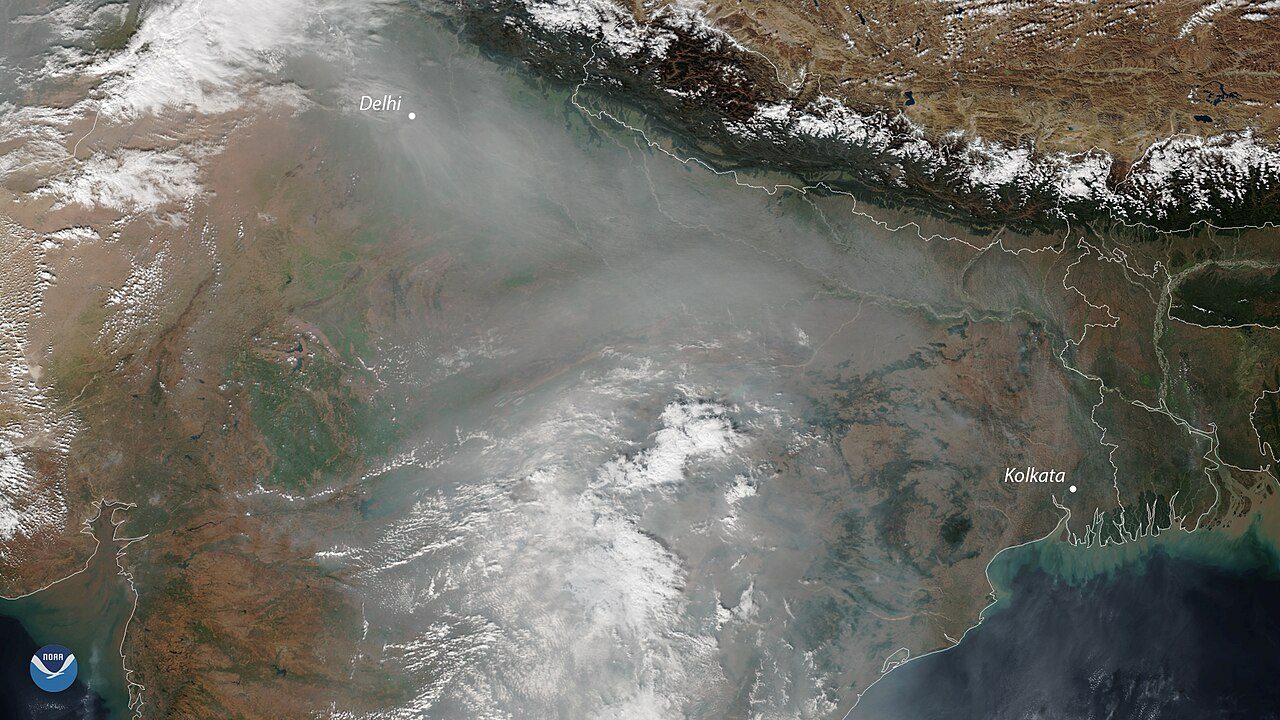
Atmospheric chemistry and analytical assumptions separate a source-share estimate from an annual emissions total. The launch-day transport example needs to keep its time-specific limits.
 ↗
Environment · 2026.10.20
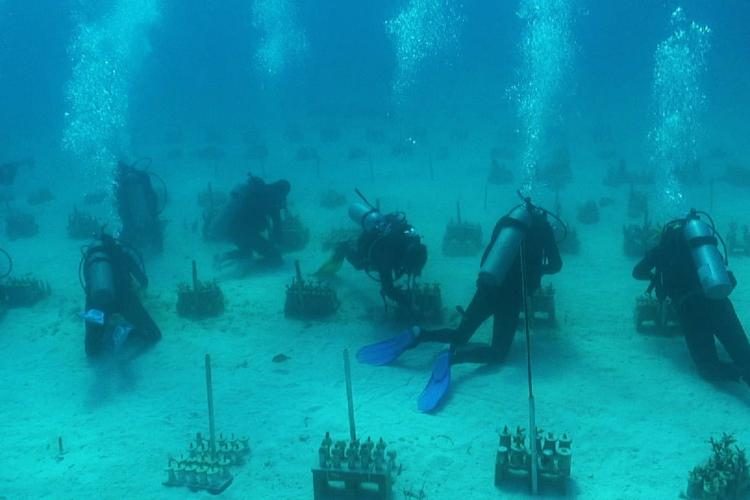
Stanford’s contact experiment shows a route to restoring symbionts in bleached fragments. NOAA’s restoration work illustrates why survival, habitat and reproduction remain separate tests before a laboratory rescue can become a reef intervention.
 ↗
Environment · 2026.10.09
The Jiigurru shell records one reef location. NOAA's relative index requires both equatorial Pacific and tropical-ocean temperature fields, making a shared threshold insufficient to convert the study's local event count.
 ↗
Environment · 2026.10.08
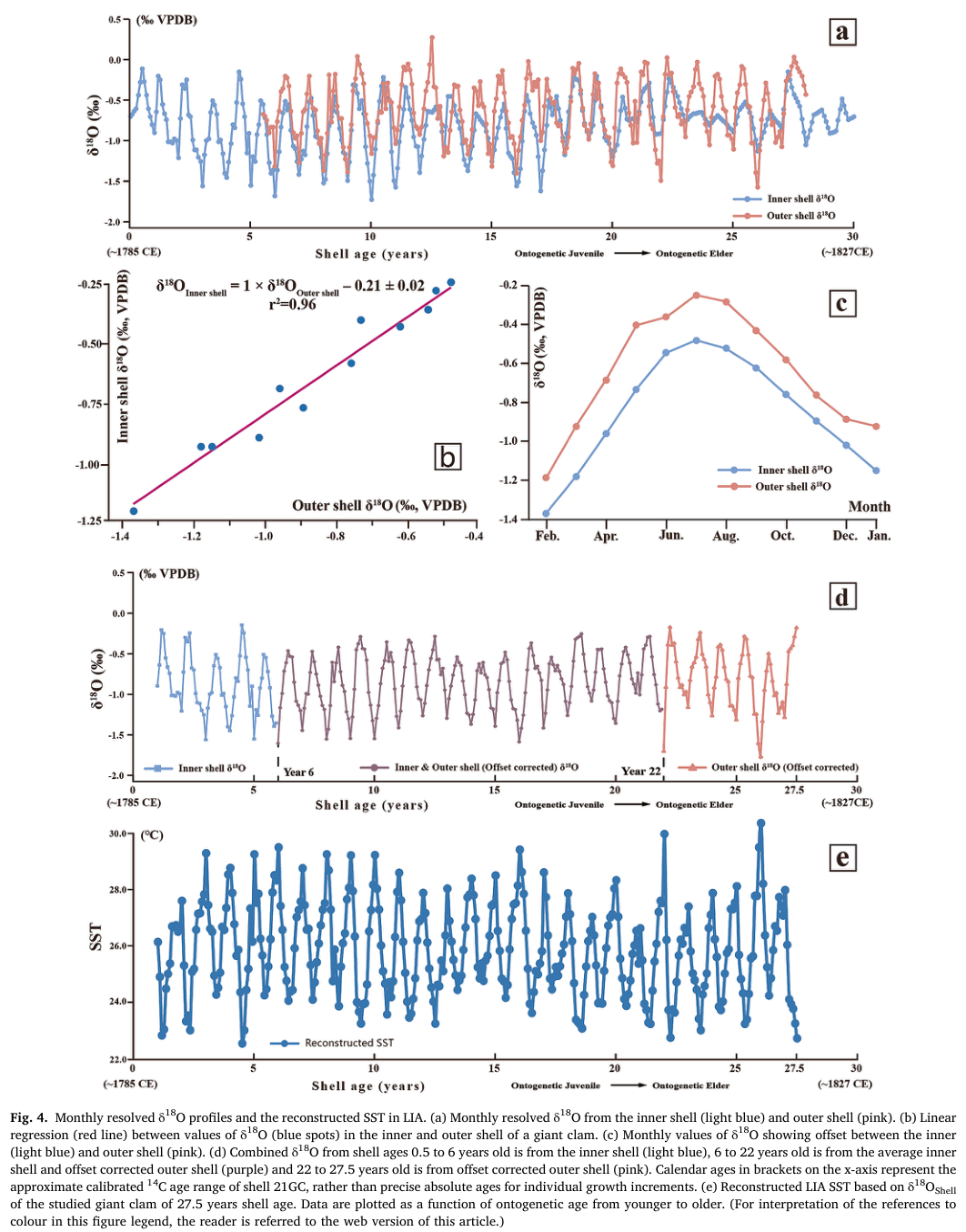
The Jiigurru clam study reports laboratory isotope uncertainties and identifies excluded data points. Its released workbook and conversion methods show why that precision cannot be treated as the total uncertainty of reconstructed temperature or rainfall.
 ↗
Environment · 2026.10.08
The Jiigurru study combines selected inner and outer shell records because growth slows with age and isotope values differ between layers. A monthly analysis grid does not make every sample an equally detailed month.
 ↗
Environment · 2026.10.03
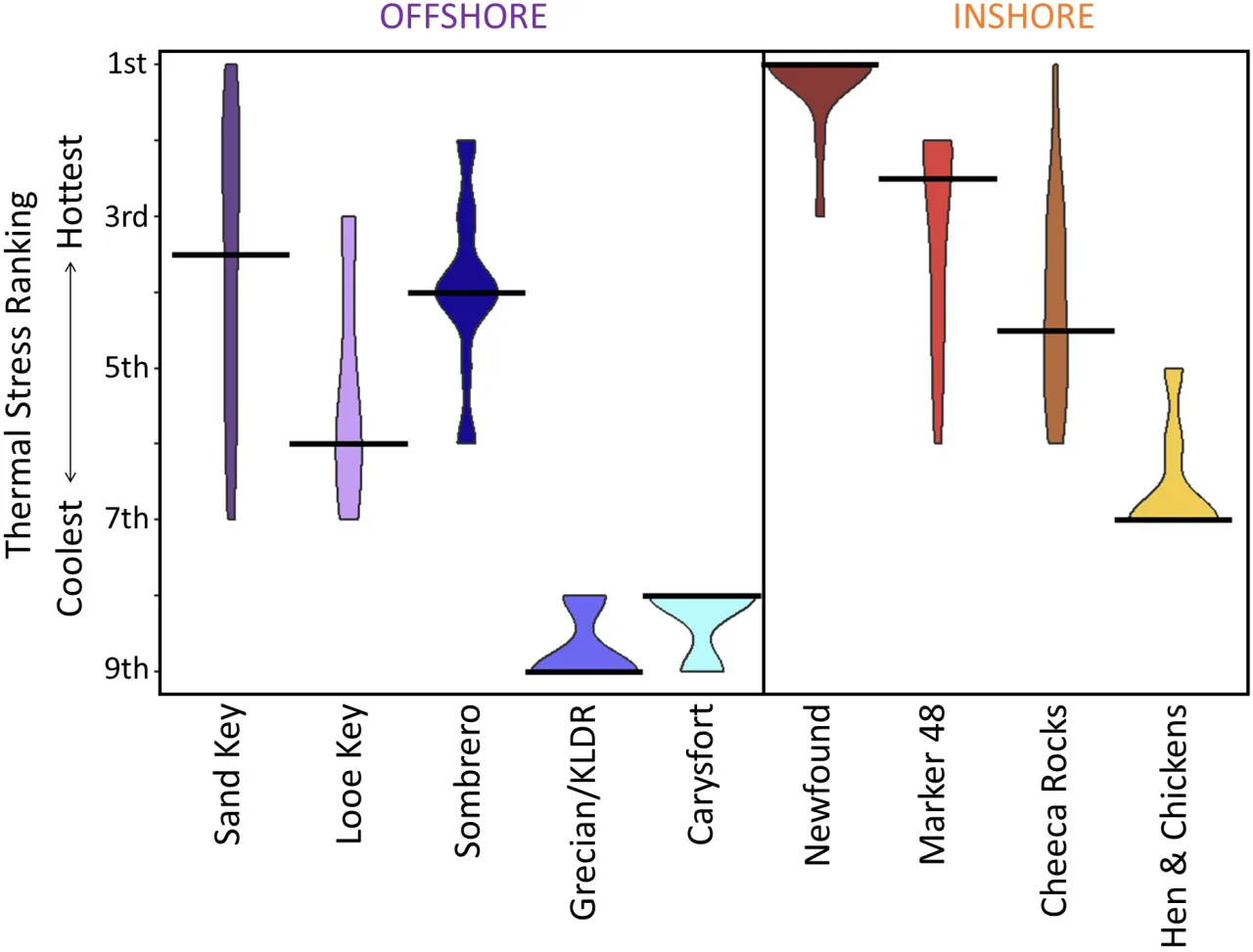
Newfound Harbor lost 43.1% of monitored brain and boulder coral colonies during the 2023 Florida Keys heatwave, while seven of nine study reefs saw little recorded mortality. Researchers chose the damaged site and two vulnerable species for a 2024 shade trial. That history explains the experiment's focus, but the years and coral groups differ: darker shaded colonies in 2024 do not establish that the devices prevented deaths on the scale seen in 2023.
 ↗
Environment · 2026.10.03
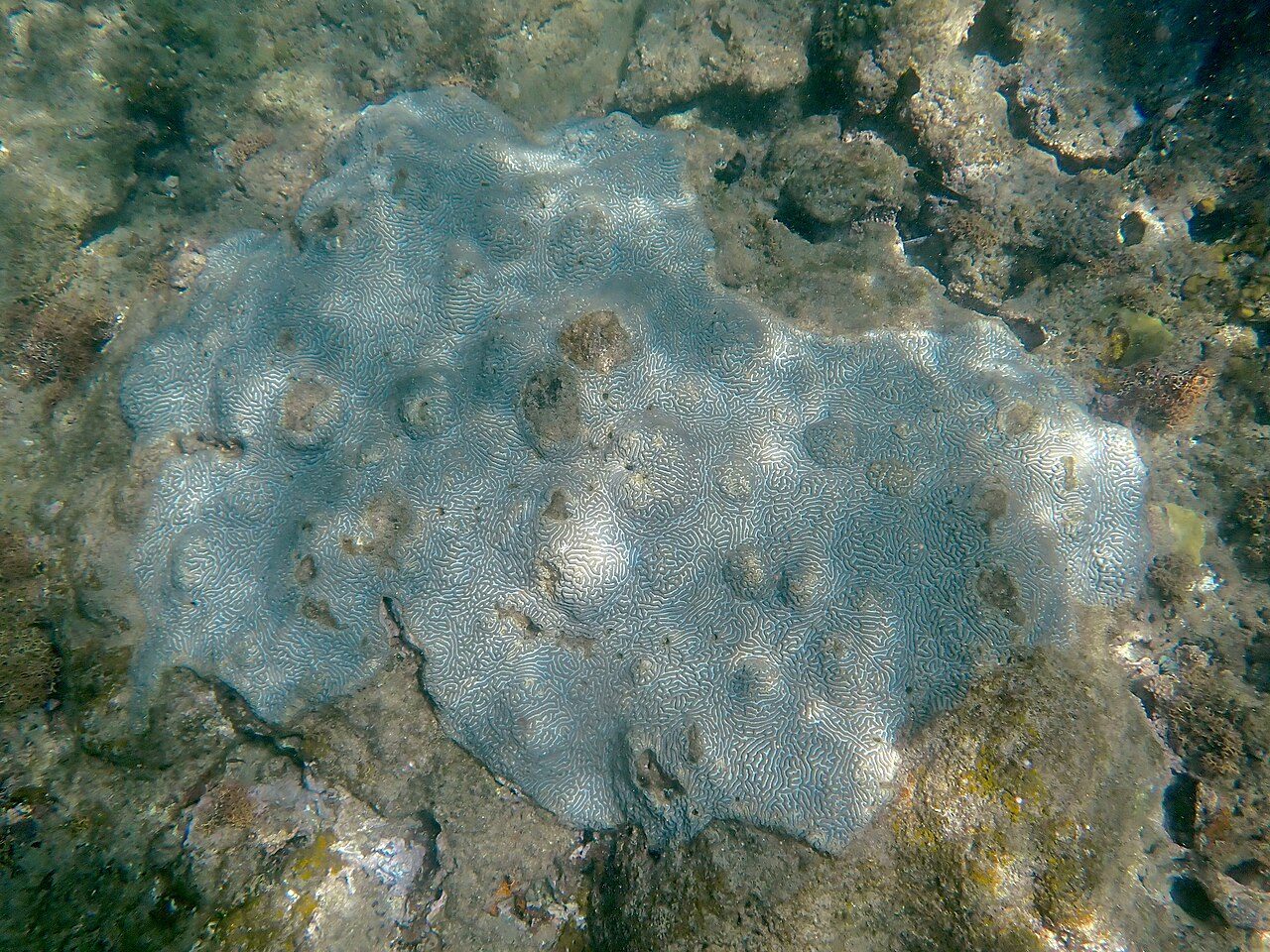
A Florida Keys field trial found that temporary shades helped two brain-coral species retain or regain darker color during 2024 heat stress. Yet tissue samples did not show a consistent shade-related increase in algal symbionts. Sampling at naturally shaded colony edges and the dominance of heat-tolerant Durusdinium limit what the color result alone can establish.
 ↗
Environment · 2026.10.02
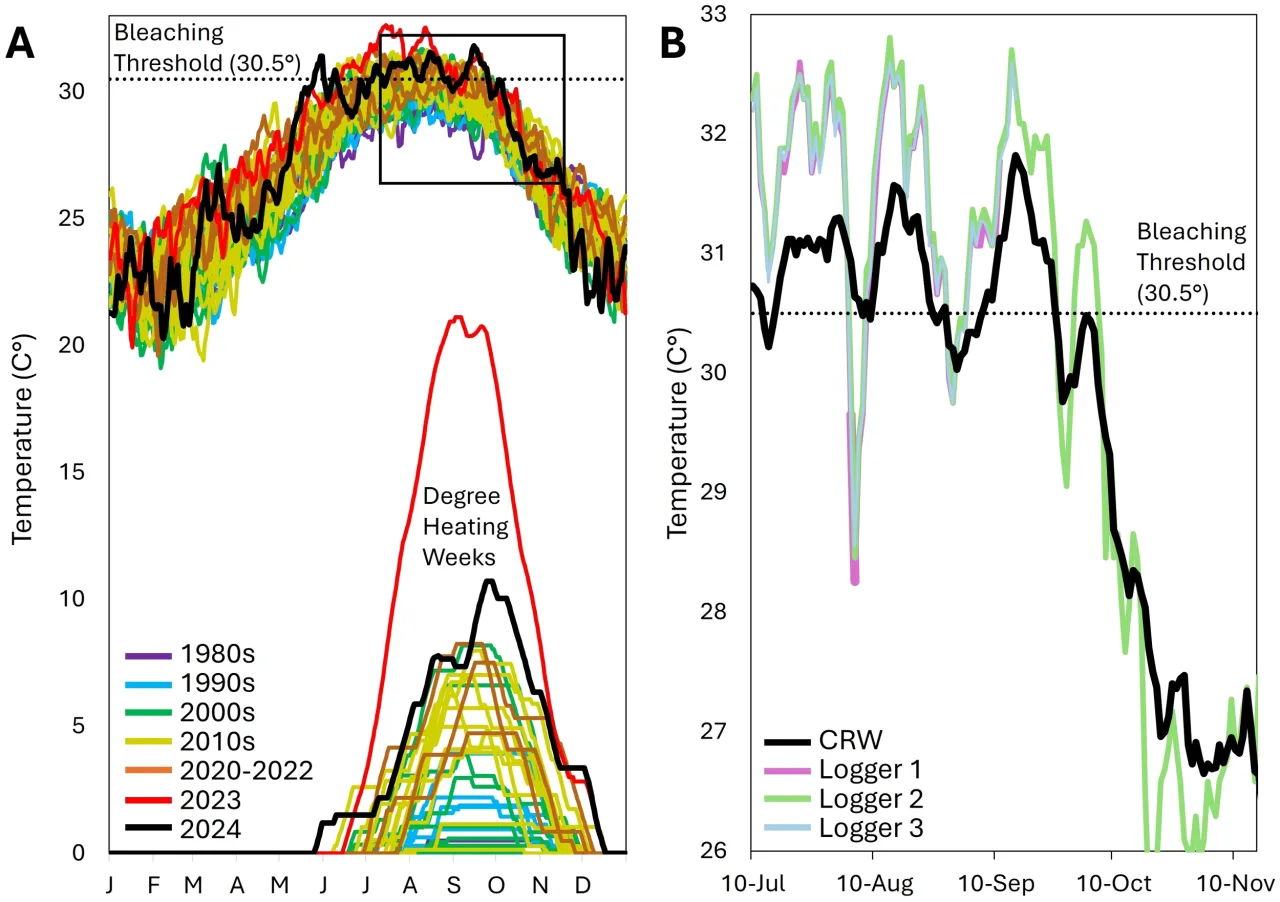
A 2024 Florida Keys coral shading trial exposed a gap between satellite and reef-level heat records: NOAA’s series counted 61 days above the study threshold, while a surviving local logger counted 76. Permitting delayed shade installation until heat stress was already high, and storms forced two temporary removals. The study found a color benefit for shaded colonies, but it did not establish a survival benefit or show that the monitoring gap applies to other reefs.
 ↗
Environment · 2026.10.02
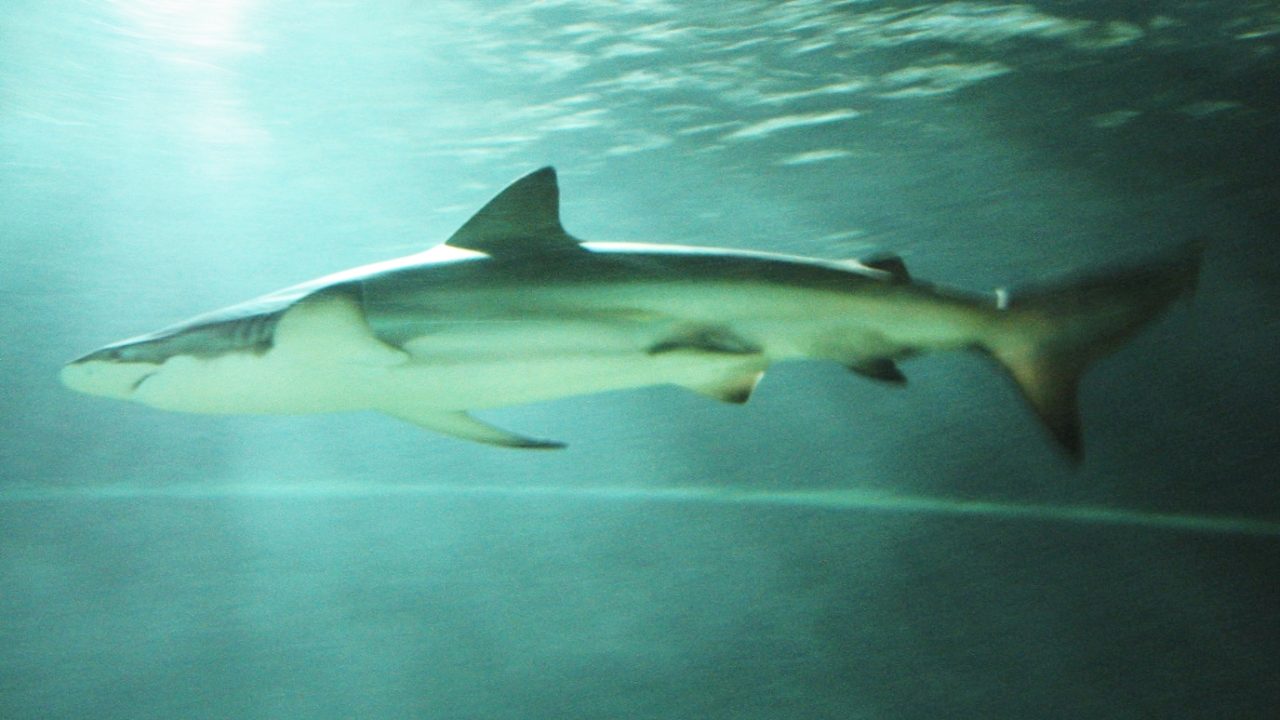
Busan’s October 2 net operation moved Bukangi hundreds of metres toward the outlet, but field reporters did not verify a release into open water. The weighted barrier caught on the channel bed, and crews fixed it in place while waiting for the shark to leave on its own.
