Antarctica InSync Turns to Fieldwork and Satellite Coordination
After a Frascati workshop, Antarctica InSync is drafting an implementation plan that would link ship, station and satellite observations of Antarctica and the Southern Ocean; final publication is planned for early 2027.
Antarctica InSync, the international programme coordinating science on Antarctica and the Southern Ocean, is drafting an implementation plan that would tie field campaigns more closely to satellite observation. The European Space Agency (ESA) said on 20 November 2026 that the plan will be developed through consultation with the wider international community and is scheduled for publication in early 2027.
The drafting follows an implementation workshop held from 10 to 13 November 2026 at ESA-ESRIN in Frascati, Italy, and hosted by ESA. ESA says the meeting drew more than 130 in-person participants from 29 countries, including scientists and representatives of logistical operators from national polar programmes. Some people also joined plenary sessions online.
The mention of logistical operators is a practical one. Observations in Antarctica depend on ships, stations and flights, so agreeing who measures what, and when, is partly a logistics question. According to ESA, discussions covered field campaign coordination, observing networks, measurement protocols, satellite missions, modelling and data management, in sessions organised around science themes, cross-cutting groups and working groups.
ESA lists five components the implementation plan is expected to bring together: standard operating procedures for collecting key scientific variables; a catalogue of planned campaigns and coordination opportunities; an Earth observation implementation plan with a data catalogue; a modelling catalogue; and a data management plan covering interoperability, sharing and long-term accessibility. The programme's science plan, published on 15 July 2026 according to the Antarctica InSync website, is what these tools are meant to serve.
ESA's own stated interest is to maximise coordination between in-situ observing activities and satellite Earth observation, especially for calibration and validation. It describes an Earth observation cross-cutting group working on satellite dataset coverage and interoperability, and on keeping satellite records going after field campaigns end. ESA says it hopes this builds a legacy of observations for the Fifth International Polar Year in 2032-33.
The programme's website describes the effort as a science mission for Antarctica and the Southern Ocean in 2027-2030, as a contribution to the UN Ocean Decade. ESA gives the same 2027-2030 window for the implementation and analysis phase.
Several things are not stated in the pages reviewed. Neither source gives funding or budget figures, the dates or format of the consultation, or details of which campaigns countries have committed to. The workshop was a planning step, and a catalogue of planned campaigns is not the same as funded observations. Whether the standard procedures and shared data plans will make measurements from different teams comparable in practice will only become visible once the plan is published and the 2027 field seasons begin.
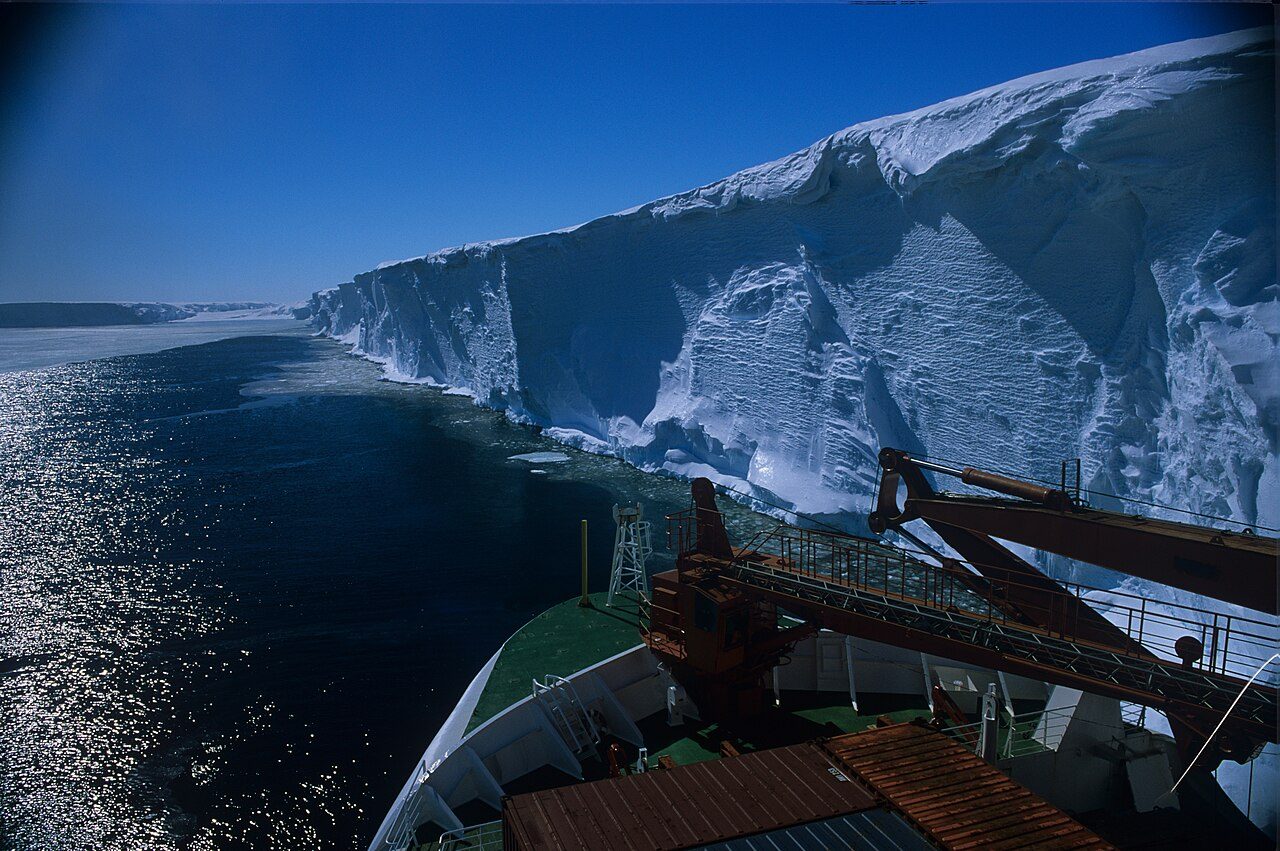
The image shows the edge of the Filchner ice shelf from the research vessel Polarstern in 2015. It is background imagery for the Southern Ocean setting and was not taken at the workshop.
 프리즘코리아 편집국 > Nguyễn An