 ↗
Economy · 2026.11.22
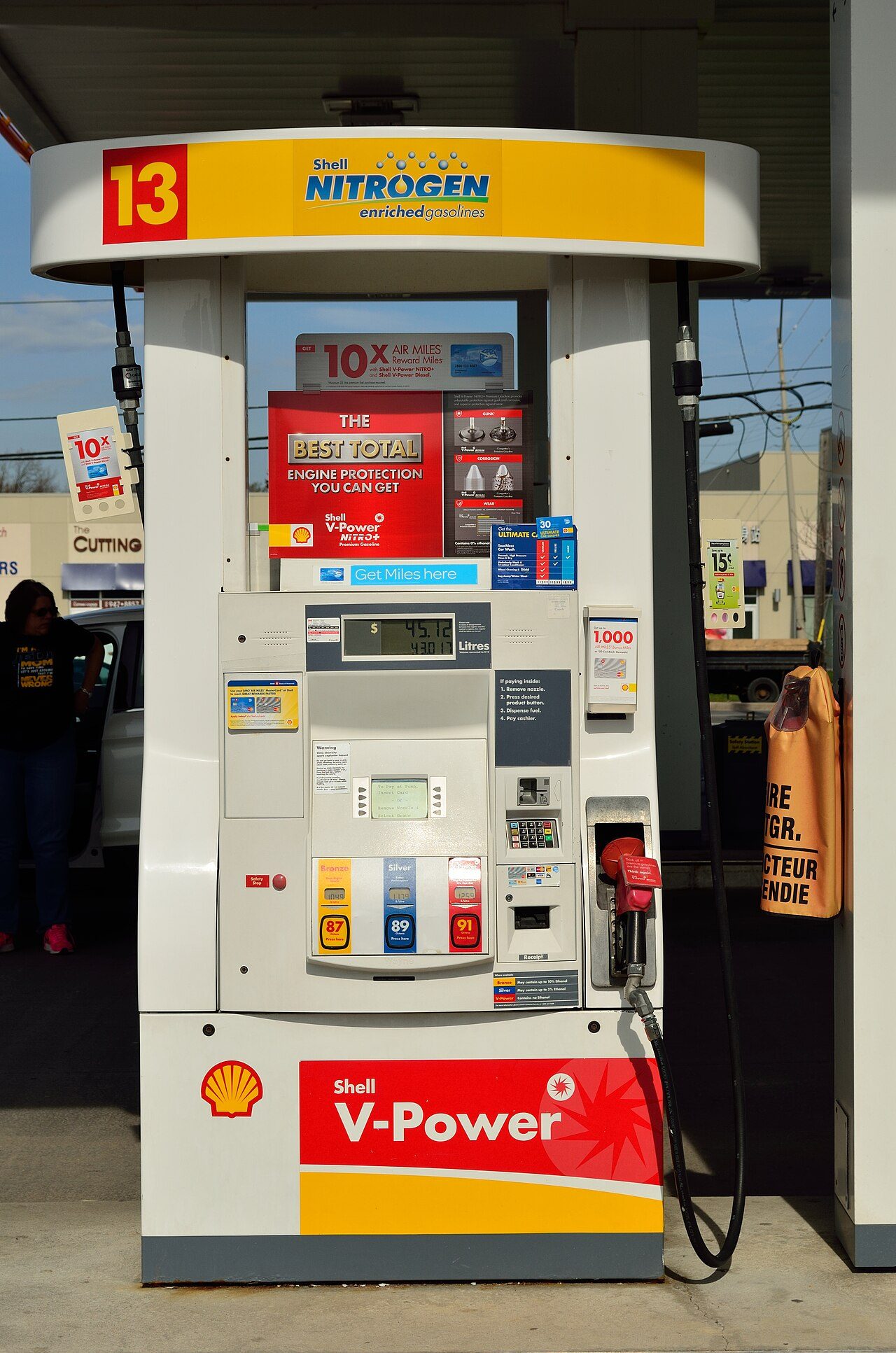
Statistics Canada reported a 0.8% rise in September retail sales to $75.3 billion, with volumes up just 0.1%; an unofficial October estimate points to a 1.5% drop.
 ↗
Economy · 2026.11.22
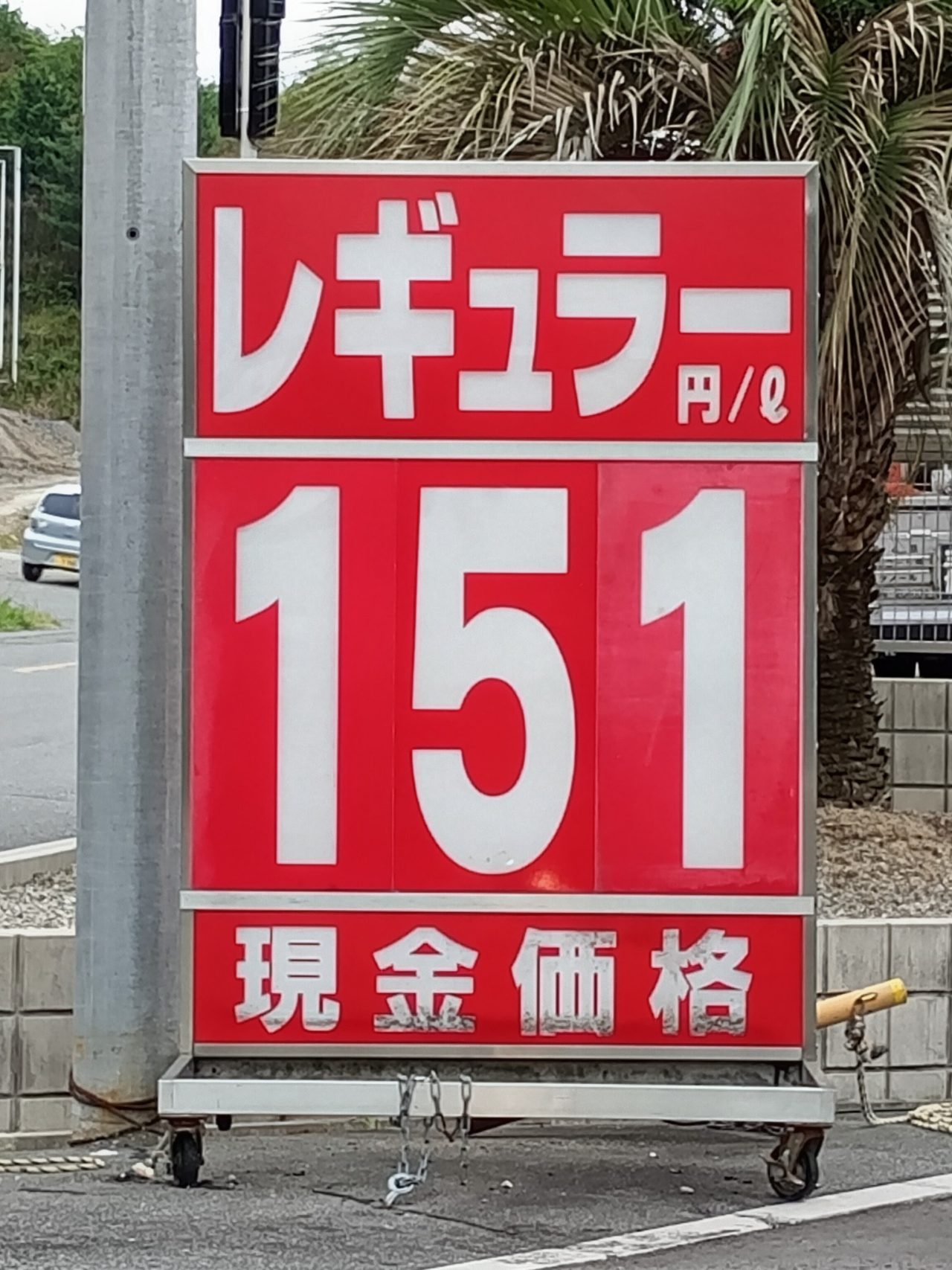
Japan's October CPI headline is 2.3% and core 2.2%, but official tables show government measures holding energy down by about a point while cheaper rice subtracts from food prices.
 ↗
Economy · 2026.11.05
Official monthly figures show why the annual 2.1% inflation rate and a flat unadjusted index do not settle the question of short-term price momentum.
 ↗
Economy · 2026.11.05
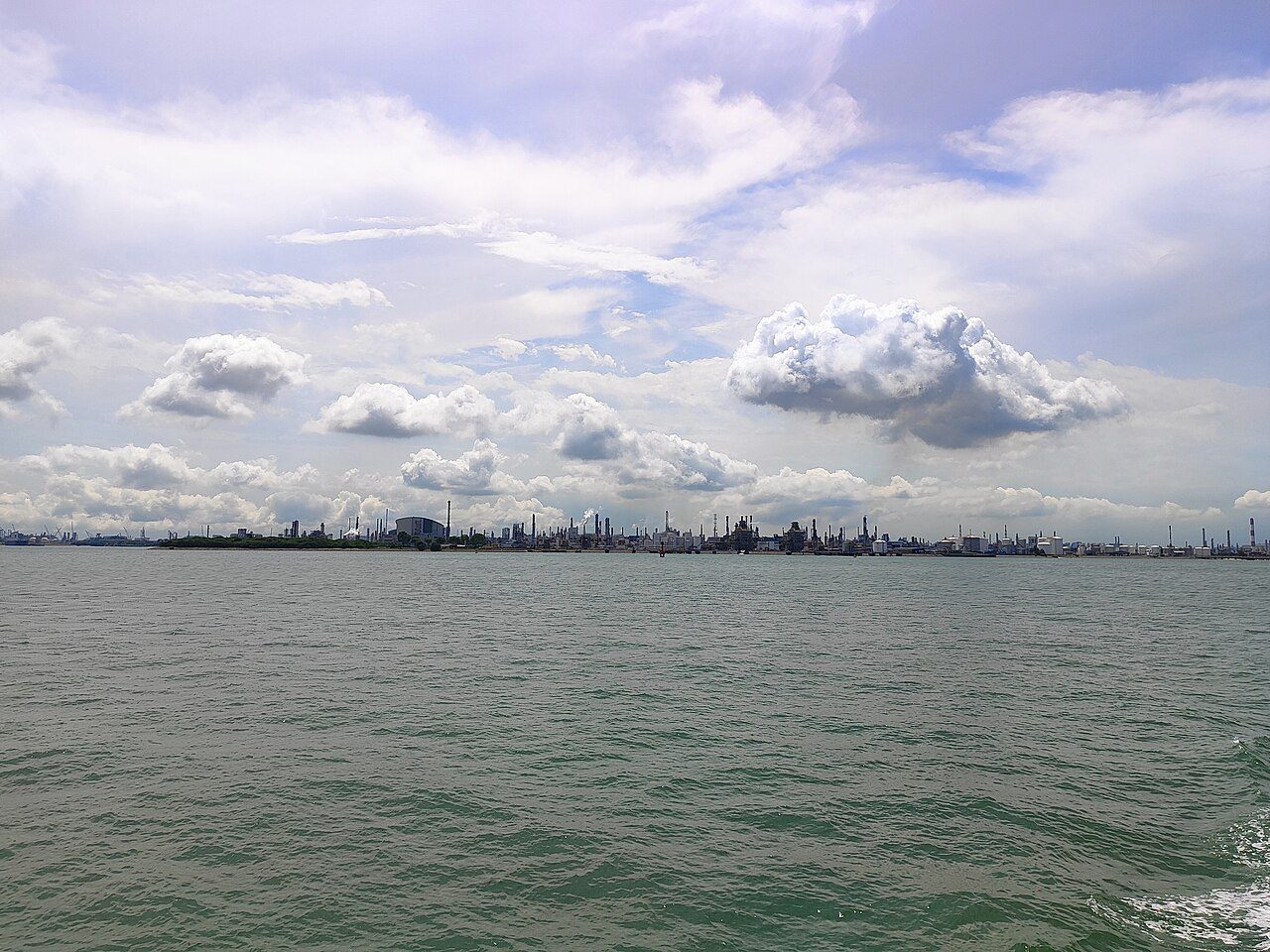
Singapore and Saudi Arabia announced a joint intent to store Saudi crude at Jurong Rock Caverns from the second half of 2027. Japan and South Korea already host Aramco crude with government purchase priority; no such terms have been published for Singapore.
 ↗
Economy · 2026.10.05
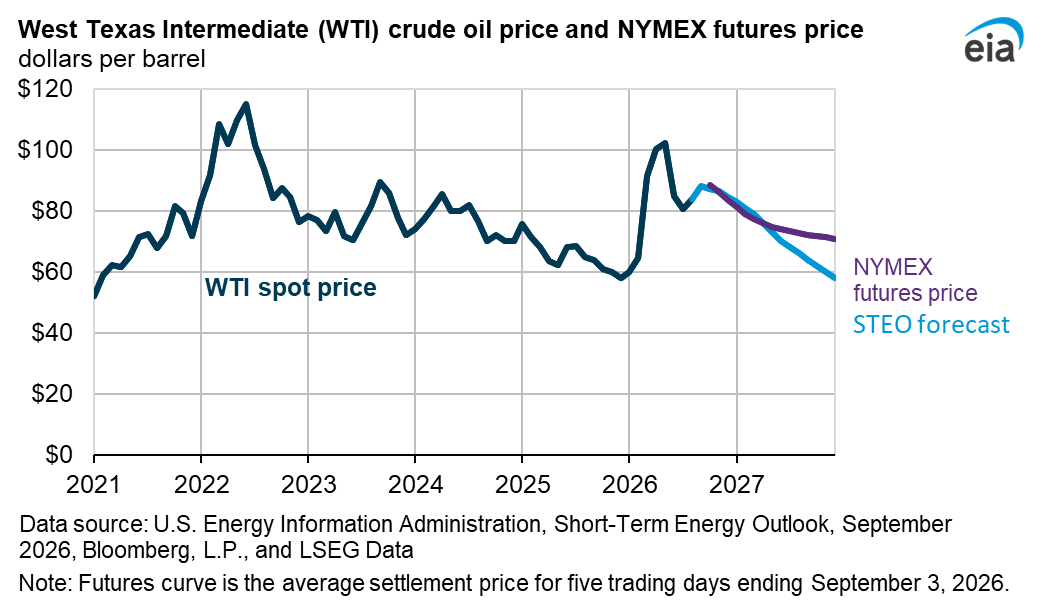
September's energy reports pair measured crude prices with futures contracts and conditional forecasts. Their dates, benchmarks and assumptions explain why several oil-price numbers can coexist without describing the same market quote.
 ↗
Economy · 2026.09.29
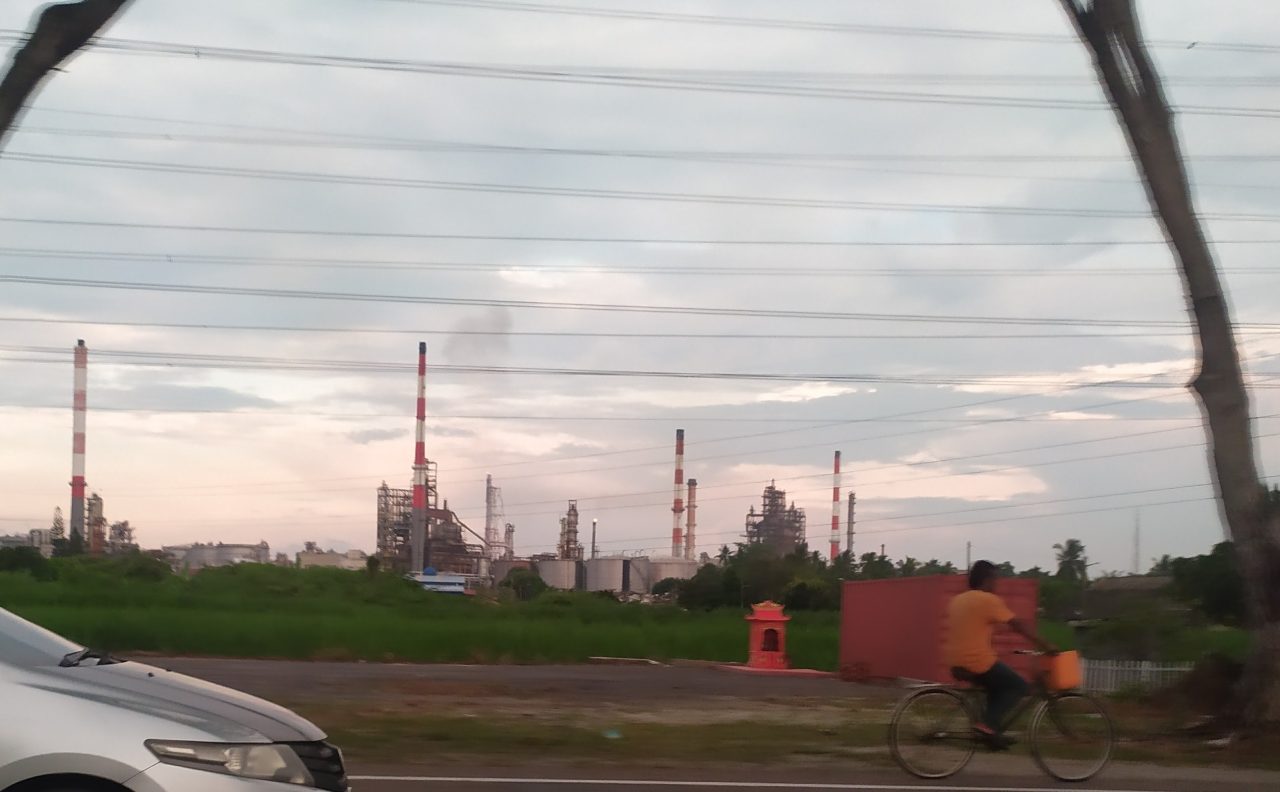
The IEA now expects world oil demand to fall by 2.5 million barrels a day in 2026, a decline 940,000 barrels a day deeper than its August forecast. It says losses are concentrated in middle distillates and petrochemical feedstocks, especially in Asia; this is a demand forecast, not a count of fuel sold at pumps.
 ↗
Economy · 2026.09.29
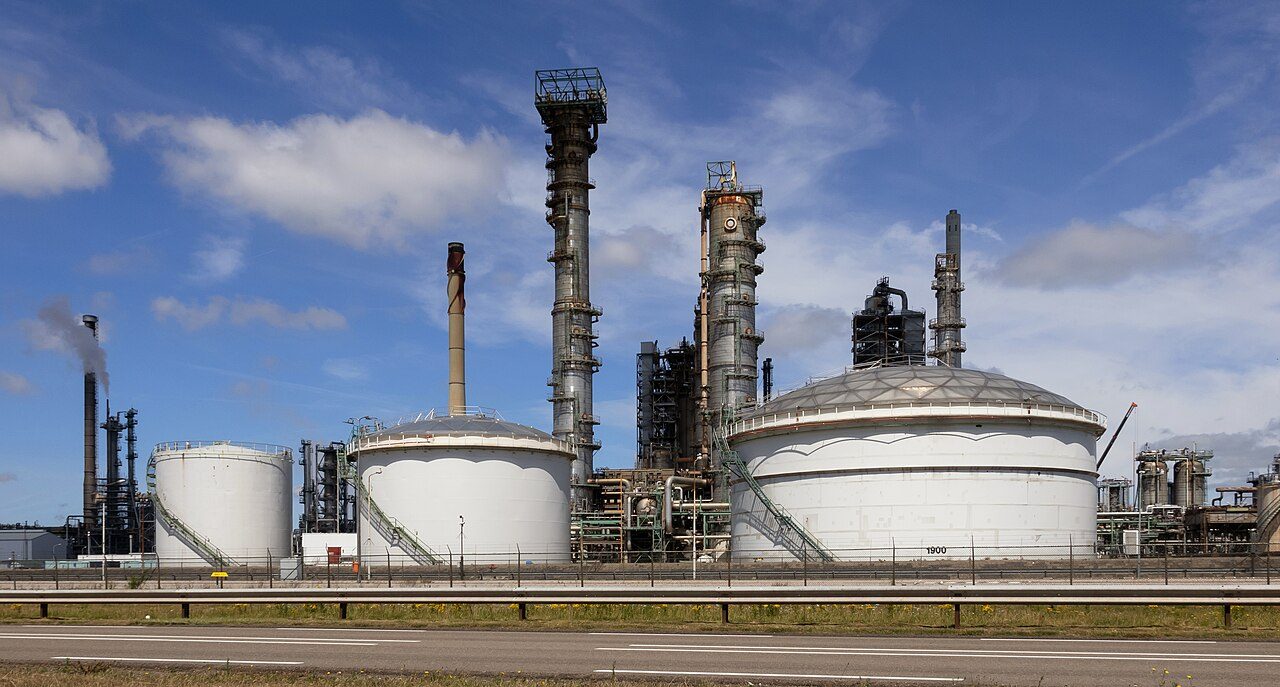
The IEA estimates that observed global oil inventories fell by 95 million barrels in August, but the components moved in different directions: oil on water and non-OECD stocks declined while OECD stocks rose. The distinction matters because a higher OECD total did not reverse the worldwide draw or prove that fuel was available where shortages were most acute.
 ↗
Economy · 2026.09.28
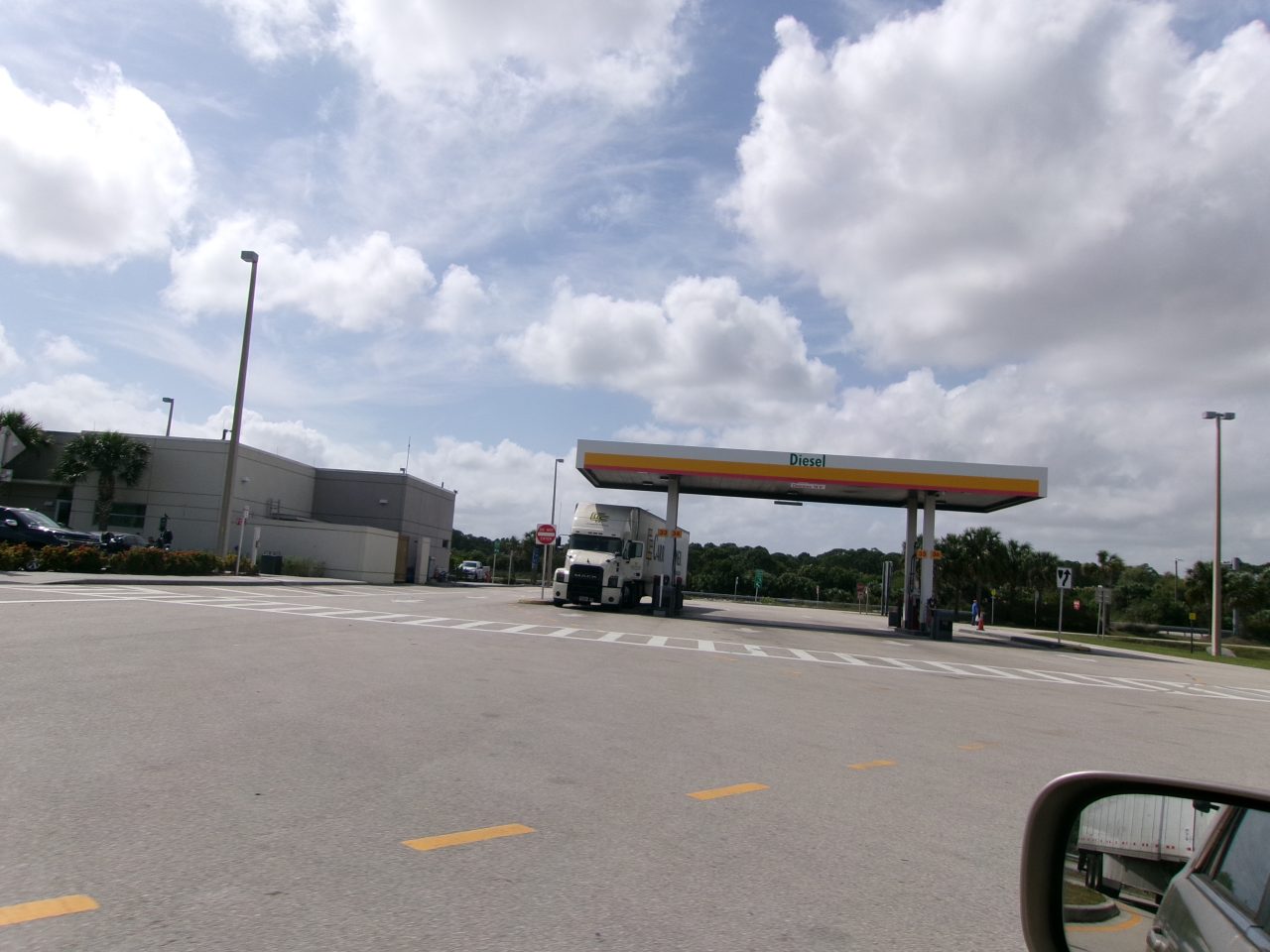
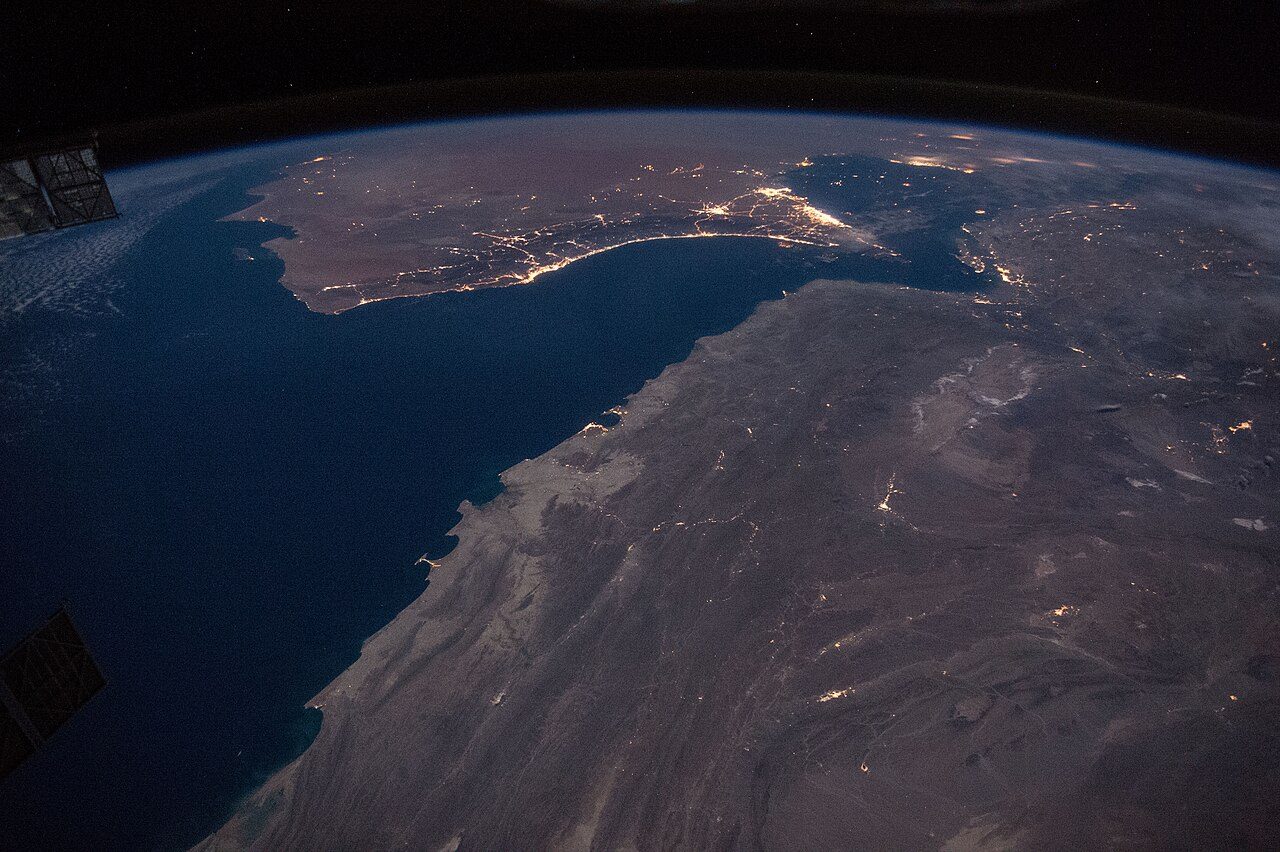
EIA forecasts U.S. distillate stocks below 100 million barrels in September and below their five-year low through 2026, even as exports respond to a global diesel squeeze. IEA figures show sharply reduced Gulf product shipments. The outlook for easing diesel margins assumes restored Hormuz traffic; these forecasts do not establish today's pump price or a certain date for relief.
 ↗
Economy · 2026.09.27
EPA's September waiver eases federal enforcement of selected state gasoline rules, with separate expiry dates and conditions. It does not establish how much fuel has arrived or how pump prices changed.
 ↗
Economy · 2026.09.27
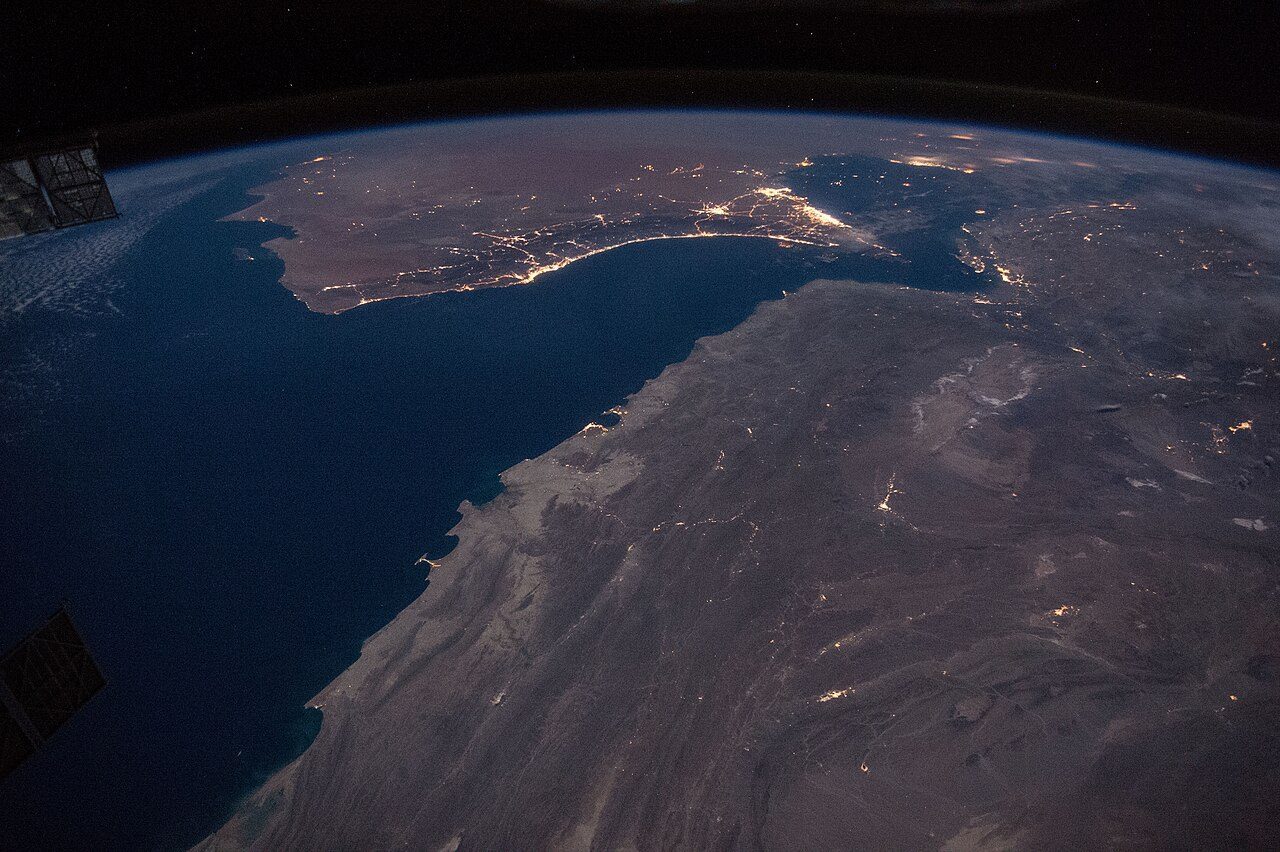
The September OPEC+ table uses distinct capacity measures and an explicit exclusion, limiting what its headline totals can tell readers about supply recovery.
↗
Economy · 2026.09.27
EIA's September outlook links a gradual oil recovery to easing export constraints. Its regional forecast does not promise simultaneous recovery for every producer or establish that the war has ended.
