Saudi Crude in Singapore Would Be Asia's Third Aramco Storage Site, but Access Terms Are Unstated
Singapore and Saudi Arabia announced a joint intent to store Saudi crude at Jurong Rock Caverns from the second half of 2027. Japan and South Korea already host Aramco crude with government purchase priority; no such terms have been published for Singapore.
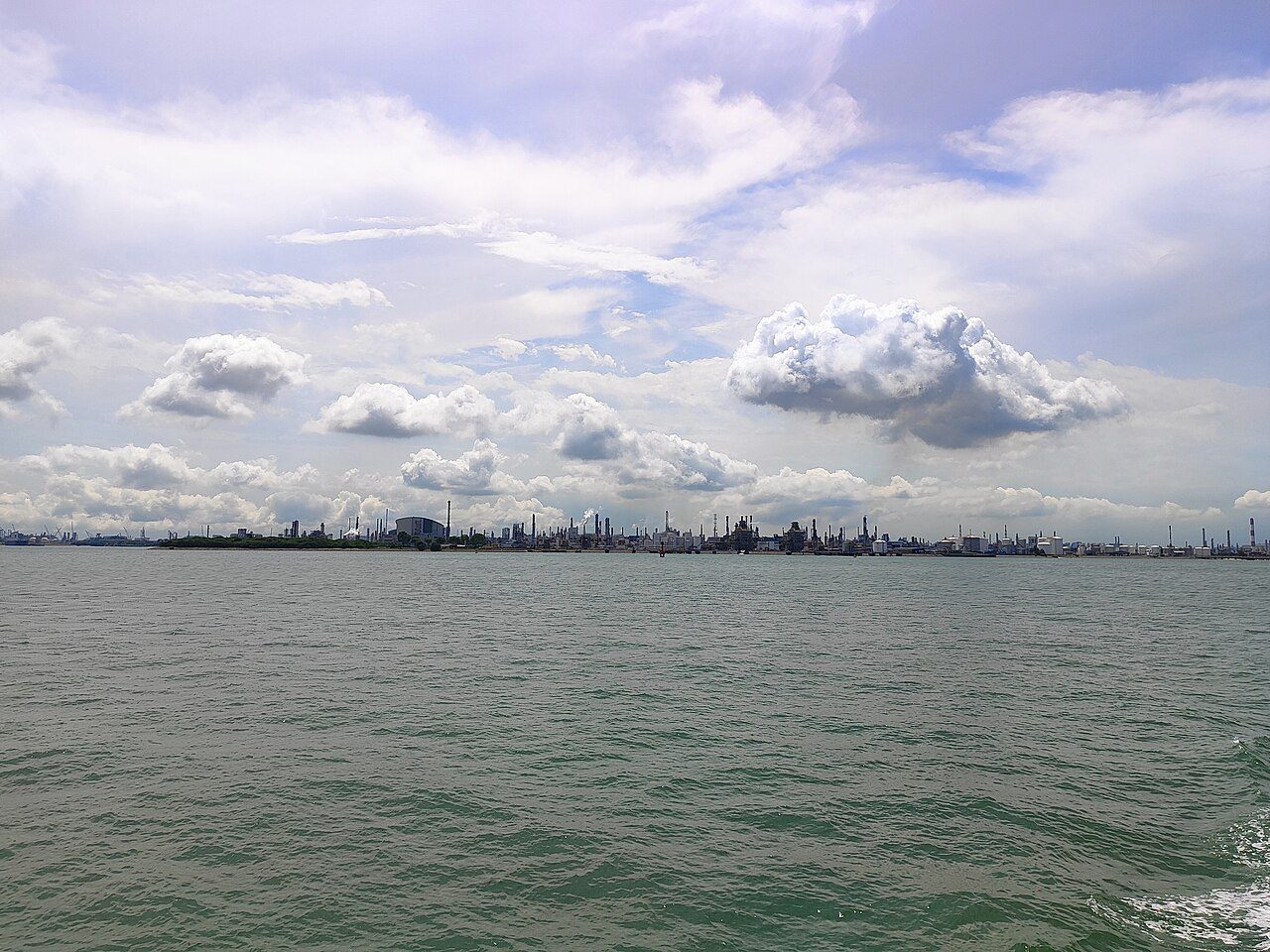
Singapore and Saudi Arabia announced on 26 October 2026 a joint intent to establish a crude oil storage arrangement in Singapore. At Singapore International Energy Week, the Energy Market Authority and JTC Corporation exchanged a memorandum of understanding with Saudi Aramco, which Singapore's energy ministry describes as a first step. Reuters, citing the two countries' energy ministers, reported that storage at Jurong Rock Caverns would begin in the second half of 2027, and that Singapore's minister, Tan See Leng, aims to conclude negotiations in a few months.
If it goes ahead, Singapore would be the third Asian country to store Saudi crude, after Japan and South Korea, according to Reuters. In both of those countries, Reuters reports, local governments have priority to buy the stored supplies in an unexpected shortage. Reuters, citing Aramco Japan's website, says capacity in Okinawa was expanded to 8.2 million barrels in September 2017 under an agreement with Japan's state oil agency JOGMEC, and that in 2023 Aramco agreed with Korea National Oil Corp to store 5.3 million barrels at Ulsan for five years.
Jurong's physical scale is public, but it should not be read as the size of the Saudi arrangement. Reuters reports that the rock caverns lie about 150 metres underground on Jurong Island and can hold up to 1.47 million cubic metres, roughly 9 million barrels, of liquid hydrocarbons such as crude and condensate. That is the facility's total capacity. Neither the ministry page nor the Reuters report states how much Saudi crude would be stored, so a direct comparison with Okinawa or Ulsan would be a comparison of different things.
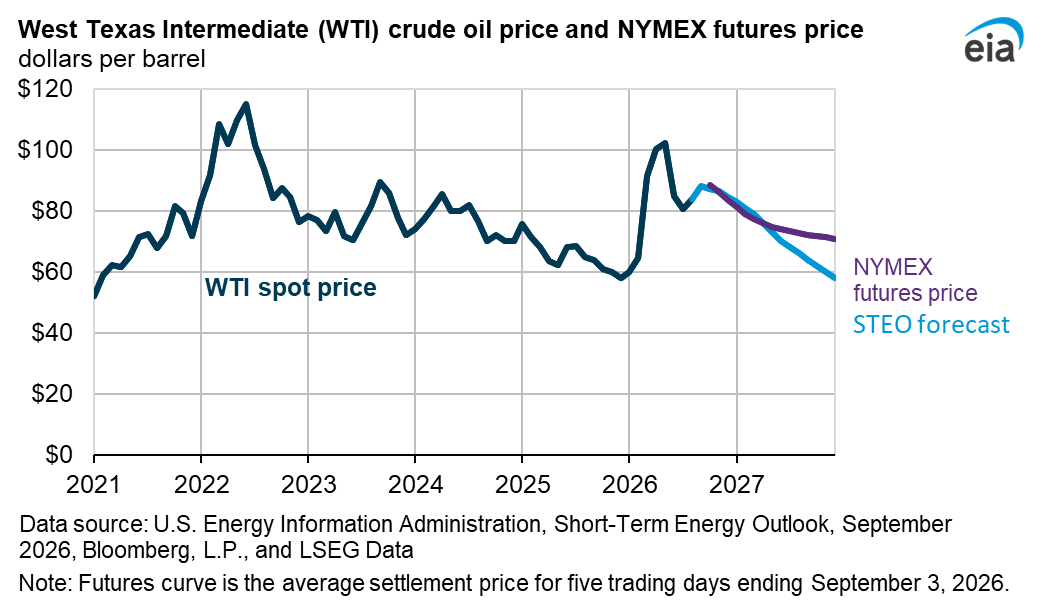
Reuters ties the plan to the supply disruption that followed the US-Israeli war with Iran, which it says severely disrupted energy supplies to Asia shipped through the Strait of Hormuz and led countries to draw down inventories. It adds that Asia imported two-thirds of its oil from the Middle East before the war, that China, Japan and South Korea have built large stockpiles, and that most other Asian countries hold much smaller buffers. Japan is in talks with other Asian countries about boosting regional crude reserves under its POWERR Asia initiative, which Reuters says was proposed by Prime Minister Sanae Takaichi and backed by $10 billion in financial support.
The two ministers framed the arrangement in complementary terms. Tan said it enhances the resilience of the Saudi crude supply chain in Southeast Asia and supports Singapore's energy security if supply disruptions occur. Saudi Energy Minister Prince Abdulaziz bin Salman Al-Saud said bringing supply closer to key Asian markets would strengthen the flexibility of Saudi Arabia's supply network. That wording leaves open who would control the oil in a crisis. The Japanese and Korean arrangements, as Reuters describes them, give local governments priority purchase rights; whether Singapore would receive comparable rights has not been published, and the Japanese and Korean terms should not be assumed to apply here.
Because the arrangement is a joint intent and the memorandum is a first step, the commercial terms that would show its practical value remain unknown. Neither source gives volumes, ownership, pricing, costs, or conditions for drawing down the oil. The points to watch are whether the negotiations conclude in the months Tan indicated, whether the second-half-2027 start holds, and whether the final terms specify purchase priority and release conditions. Reuters quotes no analysts, so any assessment of the plan's effect on regional supply security would be speculative at this stage.
 프리즘코리아 편집국 > 서유진 · Yujin Seo