Canada's September retail sales rise 0.8%, but fuel does the lifting
Statistics Canada reported a 0.8% rise in September retail sales to $75.3 billion, with volumes up just 0.1%; an unofficial October estimate points to a 1.5% drop.
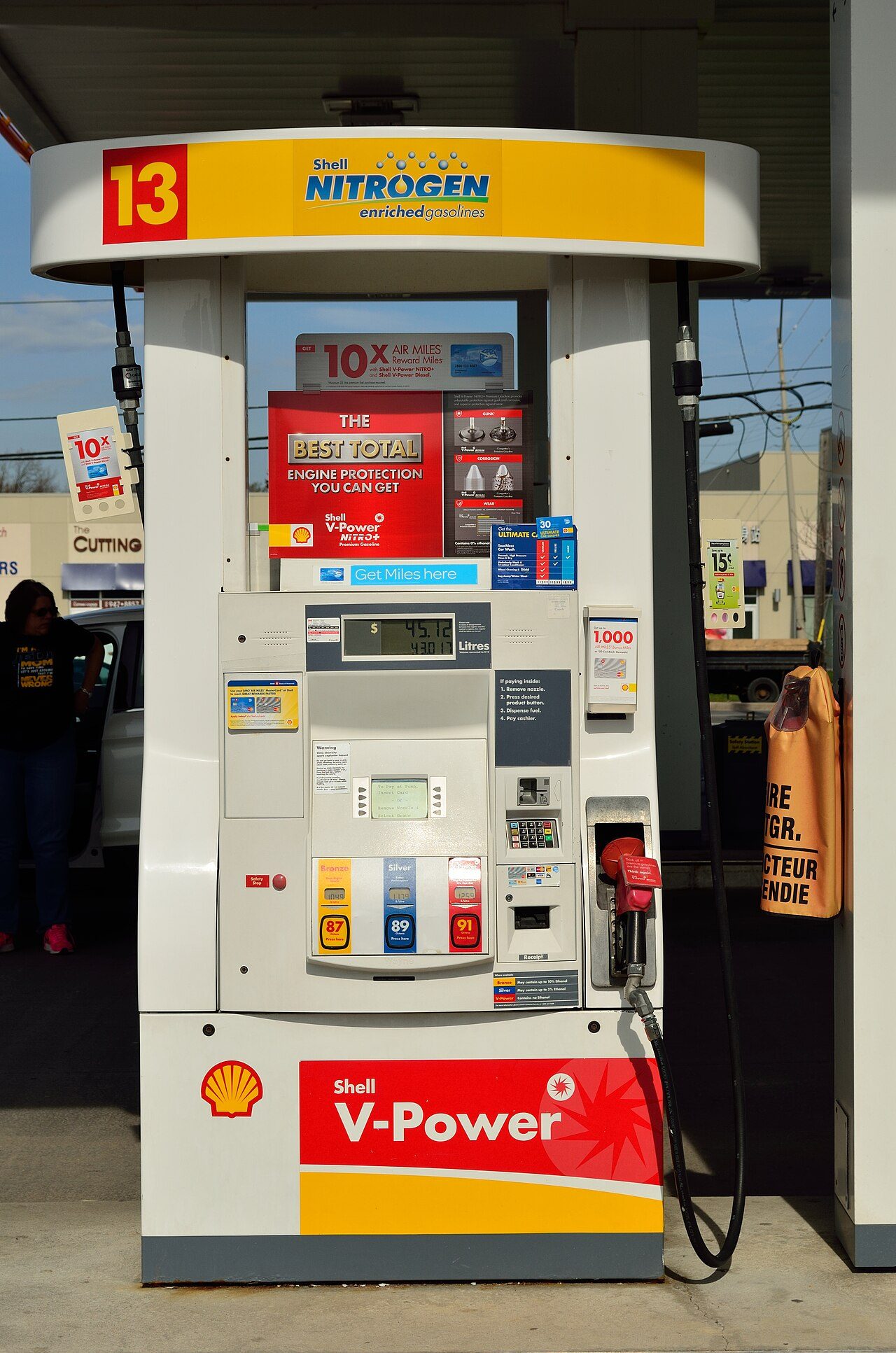
Canadian retail sales rose 0.8% in September 2026 to $75.3 billion, Statistics Canada said in its Daily release on November 20. The figures are seasonally adjusted and in current dollars. Sales were up in five of nine subsectors, led by gasoline stations and fuel vendors.
The headline is stronger than the underlying picture. Measured in volume, meaning after adjusting for price changes, retail sales grew only 0.1%. Gasoline stations and fuel vendors gained 6.9% in value, a second straight monthly increase and the largest of any subsector, but only 1.6% in volume. The two numbers measure the same sector on different scales, so the gap between them should not be read directly as the rate of fuel price increases.
Core retail, which the agency defines as excluding gasoline stations and fuel vendors and motor vehicle and parts dealers, rose just 0.1%. General merchandise retailers gained 1.5%, a second consecutive increase and the largest in the core group. Clothing, accessories, shoes, jewellery, luggage and leather goods stores rose 0.8%, and health and personal care stores 0.3%. Food and beverage retailers fell 0.4%, the biggest decline in the core group, and supermarkets and other grocers dropped 0.5% after a 1.0% rise in August.
Motor vehicle and parts dealers rose 0.2%, also a second straight gain, with new car dealers up 0.2% and used car dealers up 0.6%. E-commerce sales fell 0.2% to $5.7 billion, taking its share of total retail to 7.5% from 7.6% in August. The agency notes that its e-commerce figures exclude certain transactions such as travel and accommodation bookings, ticket purchases and financial transactions.
By region, sales rose in nine provinces. Ontario gained 0.7% to $28.7 billion, which the agency describes as the largest provincial increase in dollar terms, and Alberta rose 1.7% to $9.9 billion; fuel stations led the gains in both. Quebec rose 0.8% to $16.4 billion. Some smaller jurisdictions posted larger percentage moves, such as New Brunswick at 2.3% and Prince Edward Island at 2.9%. Manitoba was the only province to decline, down 1.6%, mainly on weaker motor vehicle and parts dealer sales. For the third quarter as a whole, retail sales rose 1.2% in value and 1.0% in volume.
The same release contains an unofficial advance estimate that October sales fell 1.5%. Statistics Canada says the figure will be revised. It is based on responses from 58.1% of surveyed companies, compared with an average final response rate of 86.6% over the previous 12 months, so it is best read as an early signal rather than a result. The agency also cautions that seasonally adjusted data can be revised extensively, especially for the latest months, and can even reverse the direction of a movement.
Official October retail data are scheduled for December 18. Until then, it is unclear whether September's gain, driven largely by fuel, will hold. For readers, the practical takeaway is to look at volume and core retail alongside the headline: on those measures, September was close to flat.
 프리즘코리아 편집국 > 서유진 · Yujin Seo