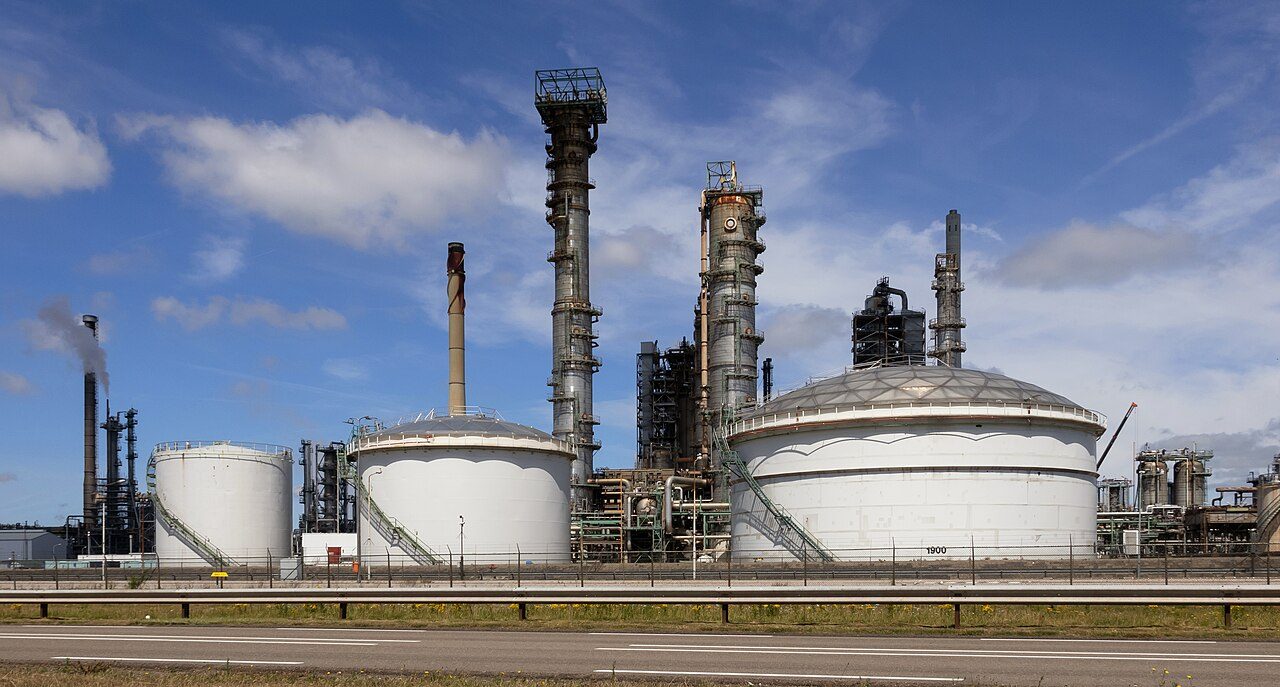
Why US diesel stocks can shrink while fuel exports remain high
EIA forecasts U.S. distillate stocks below 100 million barrels in September and below their five-year low through 2026, even as exports respond to a global diesel squeeze. IEA figures show sharply reduced Gulf product shipments. The outlook for easing diesel margins assumes restored Hormuz traffic; these forecasts do not establish today's pump price or a certain date for relief.
A shortage of diesel is giving the United States a different oil-market problem from the one suggested by crude production alone. In its September 9 Short-Term Energy Outlook, the U.S. Energy Information Administration (EIA) forecasts that domestic distillate fuel oil inventories will slip below 100 million barrels in September. It expects stocks to remain below the lowest level of the previous five years through the end of 2026 and for most of 2027. Distillate includes diesel and heating oil; the forecast is about stored product, not a claim that U.S. filling stations have run out.
EIA traces the squeeze partly through trade. It says U.S. net exports of distillate have been near or above their five-year high in every month since February. Reduced distillate supplies from the Middle East, Russia and China have supported global prices, giving U.S. sellers an incentive to ship fuel abroad. Higher exports can coexist with ample U.S. crude production because refiners, product stocks and international demand determine how much diesel is available at home. The agency presents this as its market assessment and forecast, not an independently observed result for the months ahead.
The global comparison sharpens that distinction. In its September 11 Oil Market Report, the International Energy Agency (IEA) estimated August net diesel and gasoil exports from Gulf countries at 390,000 barrels a day, just over one quarter of their pre-war level. It estimated refined product and LPG exports from the Gulf to be nearly 60%, or 3.7 million barrels a day, below February. Those product losses are not interchangeable with crude export losses; a barrel of crude must be refined before it becomes diesel. IEA also identified disruption in Russian refining. The combined Gulf and Russian diesel/gasoil export shortfall in August was 1.6 million barrels a day against February, by its estimate.
The United States can respond by exporting more distillate, but EIA does not describe that as a cost-free buffer for domestic users. The same outlook says low inventories contribute to higher U.S. diesel prices. Its summary table forecasts an average retail diesel price of $5.07 a gallon for 2026, compared with $3.66 in 2025, and $4.40 in 2027. These are annual averages in an outlook completed on September 3, not a pump price quoted on September 29 or a guaranteed price at a particular station. Actual retail prices and future forecasts may change with supply and demand.
The autumn calendar makes the inventory measure useful to farmers, hauliers and households that use heating oil. EIA notes that refinery maintenance typically reduces distillate production in the fall, while harvest-related agricultural demand rises. It also warns that low stocks may increase residential heating-oil prices in the U.S. Northeast. This is a conditional market risk, not evidence that every farm or household already faces a shortage. The forecast focuses on the United States; it should not be treated as a price forecast for other countries.
The agency's diesel crack spread forecast makes the supply assumption especially clear. A crack spread compares the price of a refined product with the crude used to make it. EIA estimates the U.S. average diesel spread will exceed $2 a gallon from August through November, then decline toward mid-2027. That downward path assumes tanker traffic through the Strait of Hormuz returns to normal in the near term, allowing Saudi and Kuwaiti refineries to export more distillate. EIA explicitly says prolonged constraints beyond the end of 2026 would imply higher global distillate spreads than its present forecast. The spread is a wholesale refining measure; it is not the retail pump price or a refiner's net profit.
The IEA's September report likewise places product supply at the center of the war's economic effects. It said August global refinery throughput was 4.2 million barrels a day lower than a year earlier despite a monthly rise to 81.4 million barrels a day. Its September demand outlook expects the largest losses in middle distillates and petrochemical feedstocks, particularly in Asia. These figures describe different geographies and units from EIA's U.S. stock forecast. They support a common mechanism—disrupted refining and product trade can strain diesel markets—even when crude production statistics appear to improve.
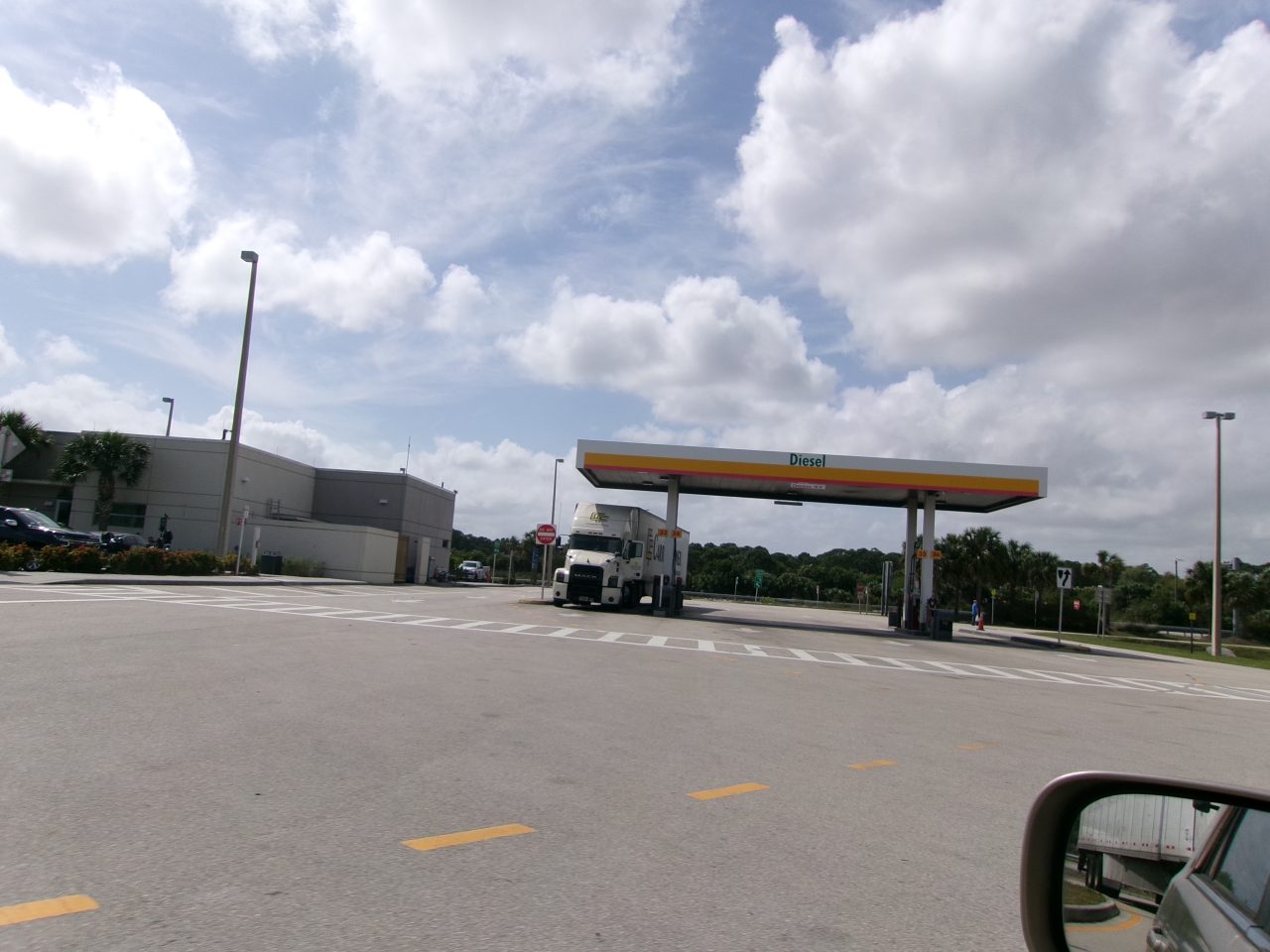
For readers following fuel costs, three updates would test the September forecast: subsequent EIA distillate inventory releases, measured U.S. net exports and evidence of restored Gulf product flows. A change in one series alone would not prove that the entire market has normalized. The accompanying archival photograph shows a diesel pump canopy at a Florida service plaza; it illustrates where diesel is sold and does not document 2026 prices, current stocks or the war.
 프리즘코리아 편집국 > 서유진 · Yujin Seo