PRISM / TAGSSeptember 2026 energy outlook amid the Iran war
Official September 2026 estimates of oil and product supplies, demand and inventories affected by the US–Iran war and disrupted shipping.
 ↗
↗
Economy · 2026.09.29
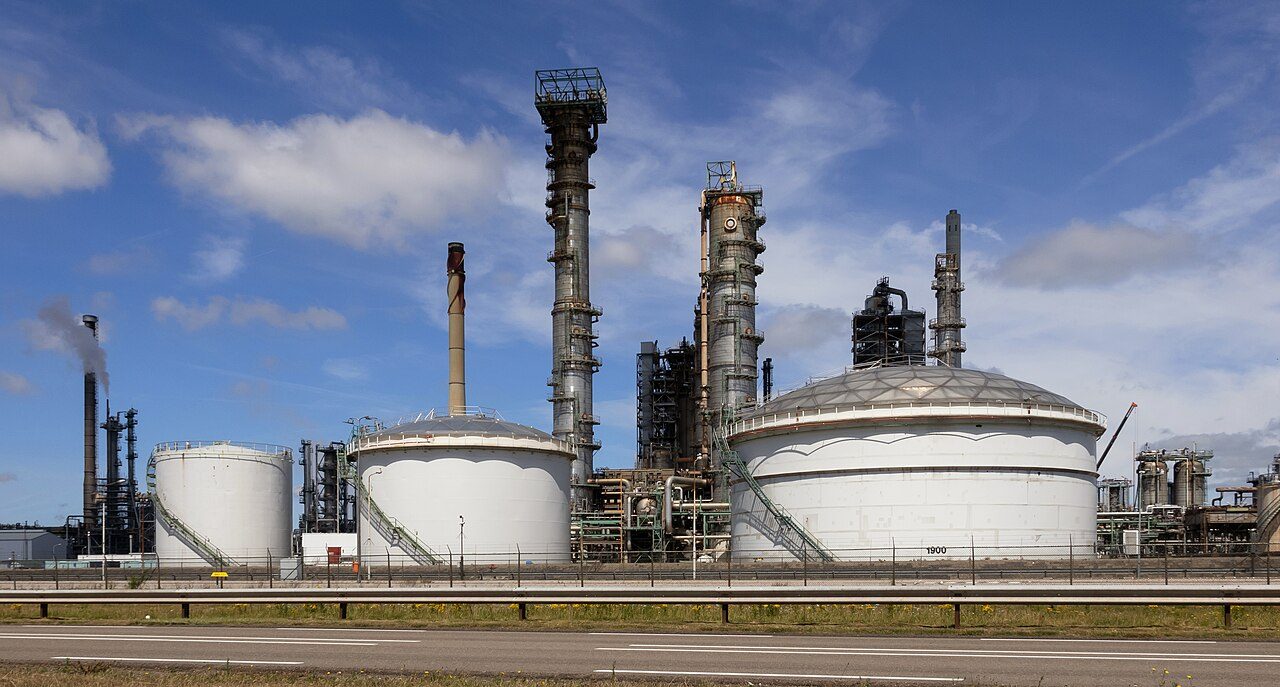
The IEA now expects world oil demand to fall by 2.5 million barrels a day in 2026, a decline 940,000 barrels a day deeper than its August forecast. It says losses are concentrated in middle distillates and petrochemical feedstocks, especially in Asia; this is a demand forecast, not a count of fuel sold at pumps.
 ↗
↗
Economy · 2026.09.29
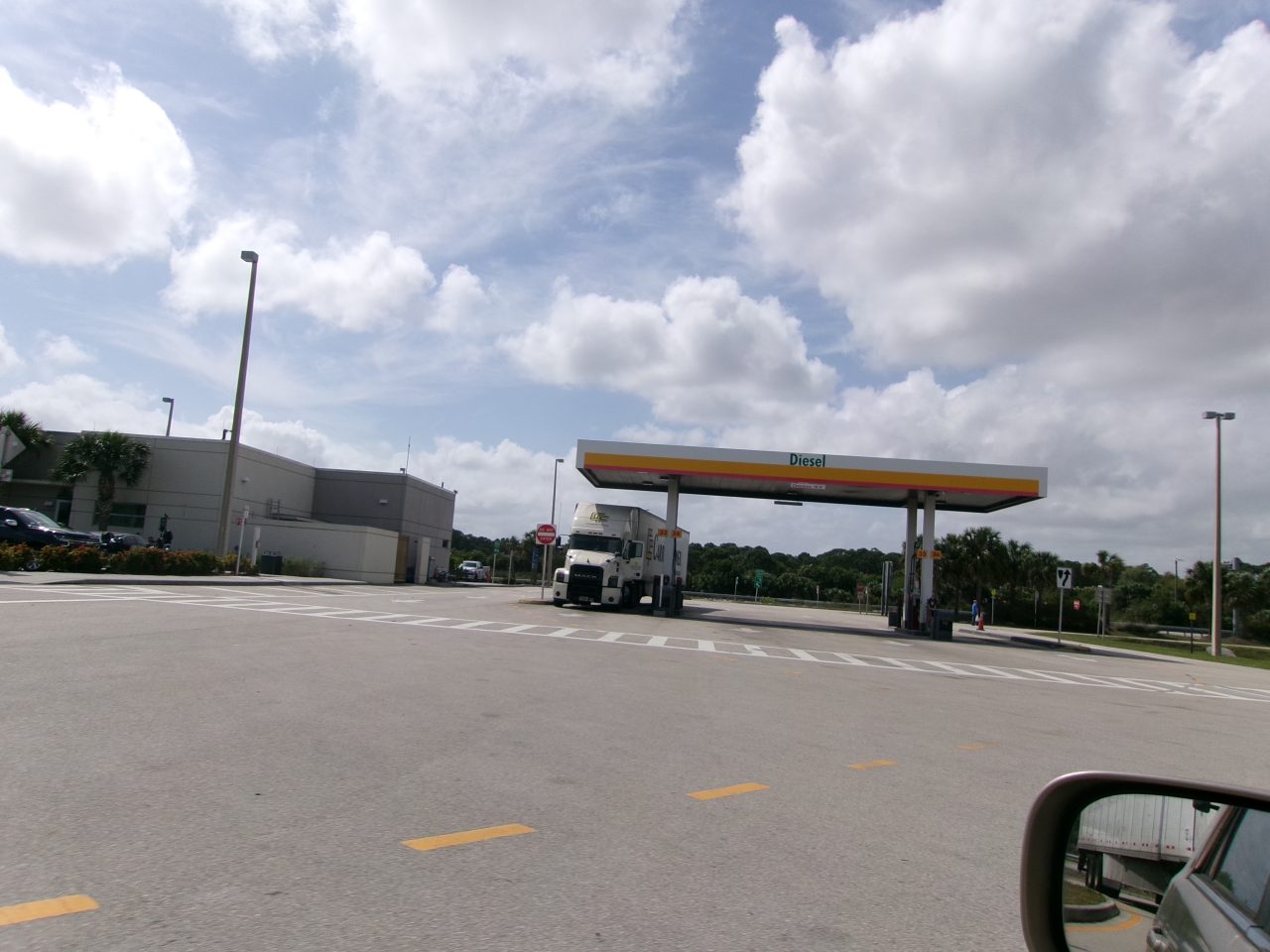
The IEA estimates that observed global oil inventories fell by 95 million barrels in August, but the components moved in different directions: oil on water and non-OECD stocks declined while OECD stocks rose. The distinction matters because a higher OECD total did not reverse the worldwide draw or prove that fuel was available where shortages were most acute.
 ↗
↗
Economy · 2026.09.28
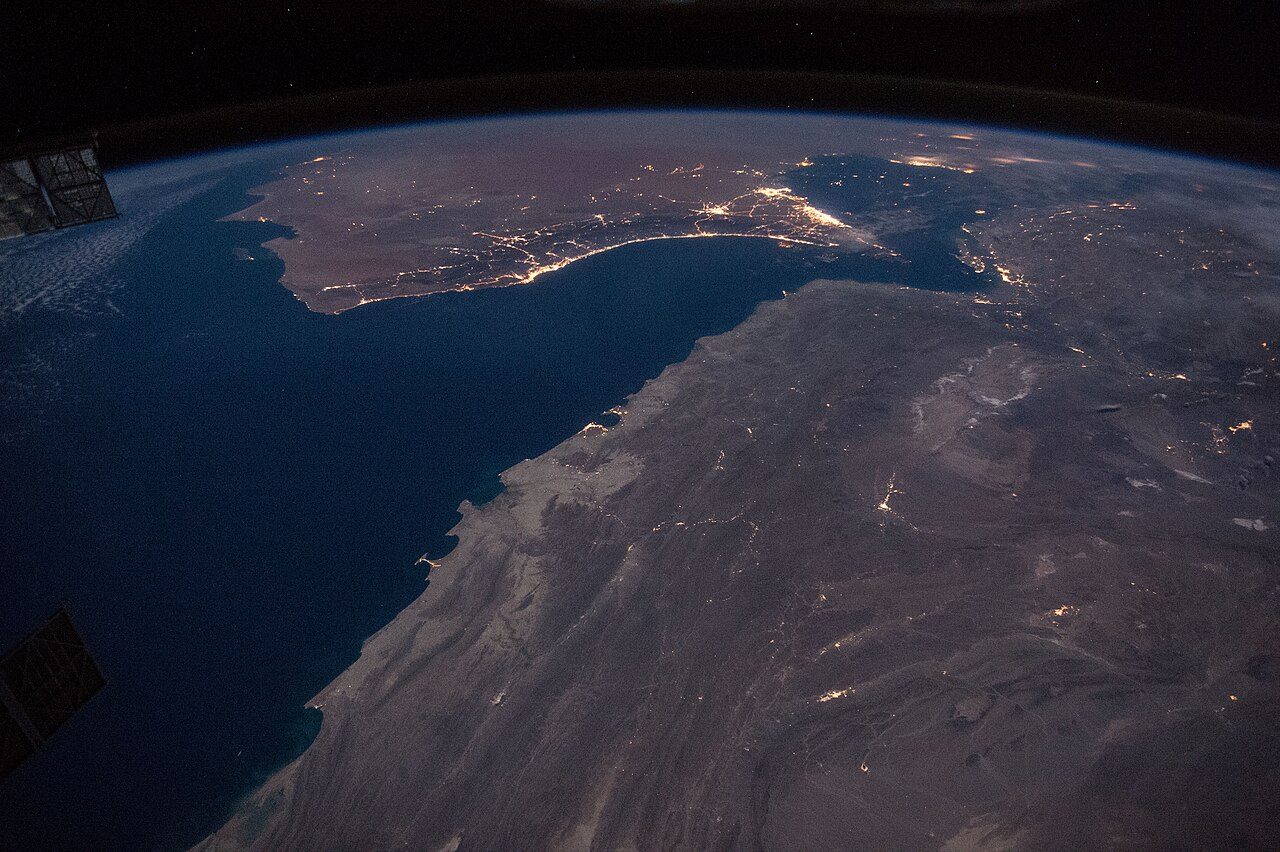
EIA forecasts U.S. distillate stocks below 100 million barrels in September and below their five-year low through 2026, even as exports respond to a global diesel squeeze. IEA figures show sharply reduced Gulf product shipments. The outlook for easing diesel margins assumes restored Hormuz traffic; these forecasts do not establish today's pump price or a certain date for relief.
 ↗
↗
Economy · 2026.09.27
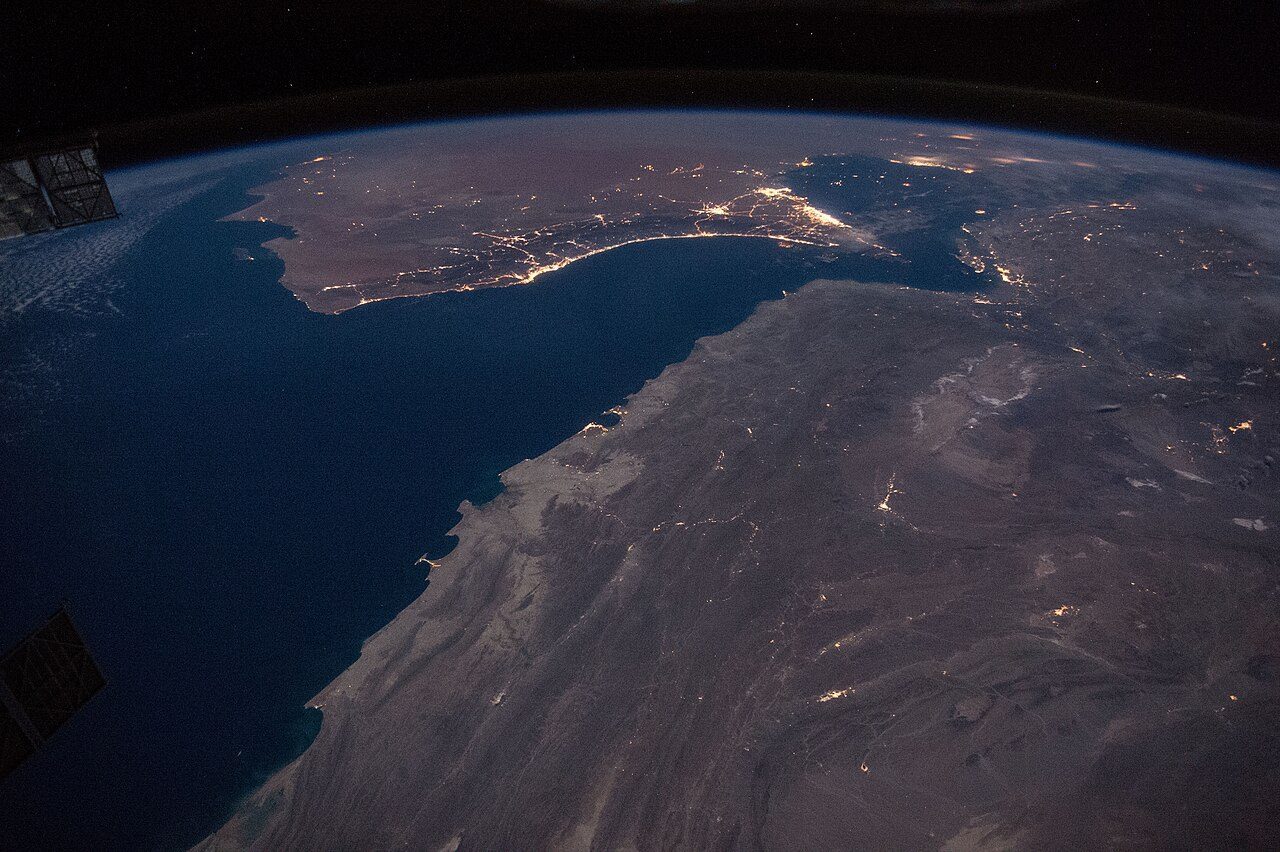
EPA's September waiver eases federal enforcement of selected state gasoline rules, with separate expiry dates and conditions. It does not establish how much fuel has arrived or how pump prices changed.
 ↗
↗
Economy · 2026.09.27
The September OPEC+ table uses distinct capacity measures and an explicit exclusion, limiting what its headline totals can tell readers about supply recovery.
↗
Economy · 2026.09.27
EIA's September outlook links a gradual oil recovery to easing export constraints. Its regional forecast does not promise simultaneous recovery for every producer or establish that the war has ended.
