Economy

EIA's oil recovery forecast depends on export constraints easing

EIA's September outlook links a gradual oil recovery to easing export constraints. Its regional forecast does not promise simultaneous recovery for every producer or establish that the war has ended.
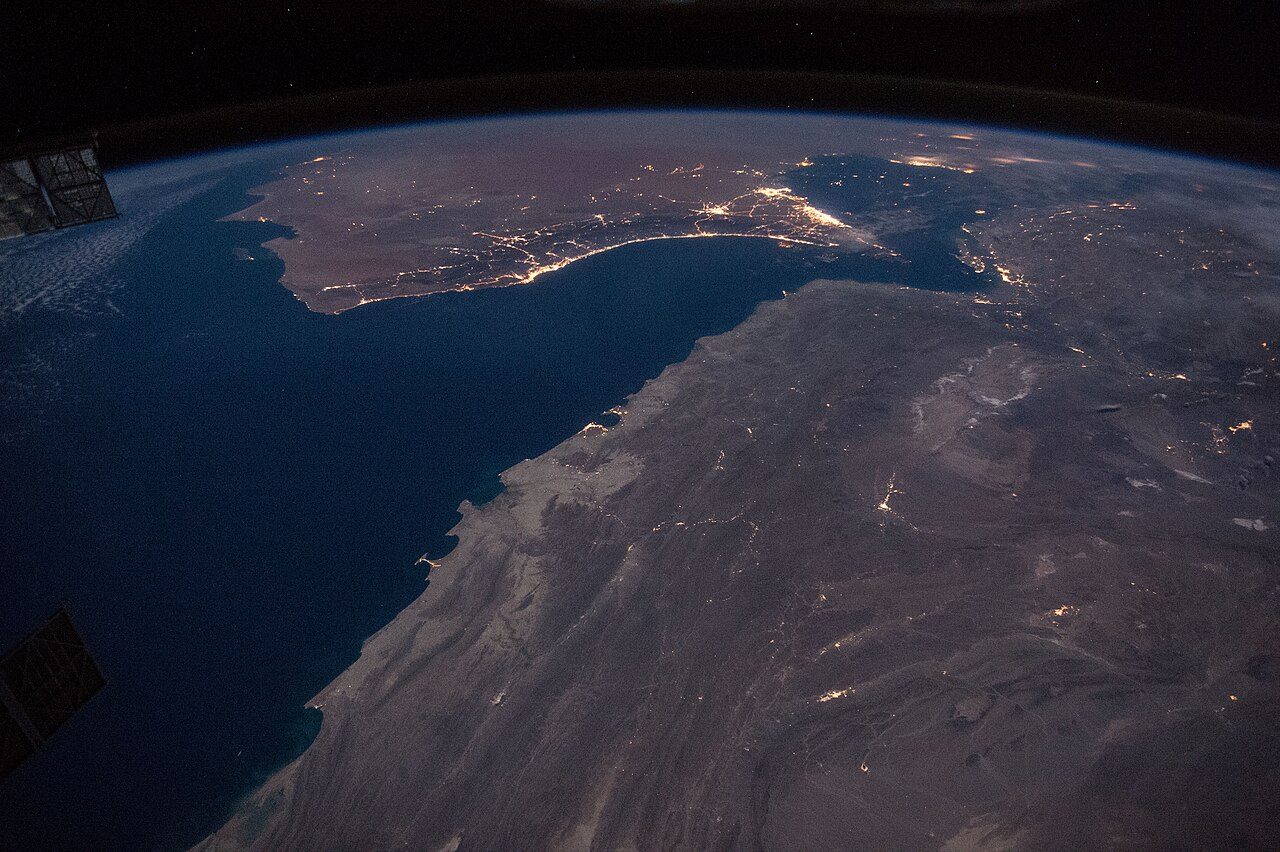
밤하늘에서 내려다본 오만만 연안의 도시 불빛과 해안선
2016년 1월 국제우주정거장에서 촬영한 오만만과 호르무즈 해협 일대. 2026년 전쟁 현장 사진이 아닌 지리적 배경 자료. NASA/Tim Kopra, 퍼블릭 도메인. · 사진 / Photo · NASA/Tim Kopra · 출처 / Source · Public-Domain · Contributor-declared changes: PRISM 서버의 비율 유지 축소 및 압축; 캡션에 자료사진 촬영 시점 명시. PRISM automatically re-encoded with JPEG quality 82; 1280x852 to 1280x852 pixels, aspect ratio retained with no upscaling.

The US Energy Information Administration's September outlook makes recovery in Middle Eastern oil output conditional on exports gradually improving. It assumes some constraints persist through year-end, keeping regional crude production below pre-conflict averages until the second quarter of 2027.

Uncertainty

The agency forecasts Brent spot prices near $90 a barrel in the second half of 2026 and an average of $74 in 2027. These are scenario-based projections, not current quotations or confirmation that the US–Iran war has ended.

EIA finalized its inputs on 3 September and published the outlook on 9 September. Later diplomatic developments are not specifically incorporated. Its market discussion also warns that some Gulf producers may not regain pre-conflict output during the forecast period.

Interpretation

For readers tracking negotiations, a projected regional recovery therefore does not mean every producer recovers together. New announcements require a fresh assessment of the assumptions behind the numbers.

서유진 · Yujin Seo프리즘코리아 편집국 > 서유진 · Yujin Seo

Original sources

  1. EIA September 2026 Short-Term Energy Outlook ↗
  2. EIA September 2026 Short-Term Energy Outlook ↗
Report an error ↗

Related stories

Economy · 2026.09.29

IEA cuts 2026 oil demand again as feedstocks and distillates bear the loss

The IEA now expects world oil demand to fall by 2.5 million barrels a day in 2026, a decline 940,000 barrels a day deeper than its August forecast. It says losses are concentrated in middle distillates and petrochemical feedstocks, especially in Asia; this is a demand forecast, not a count of fuel sold at pumps.

Economy · 2026.09.29

IEA's 95-million-barrel August stock draw hides opposite regional moves

The IEA estimates that observed global oil inventories fell by 95 million barrels in August, but the components moved in different directions: oil on water and non-OECD stocks declined while OECD stocks rose. The distinction matters because a higher OECD total did not reverse the worldwide draw or prove that fuel was available where shortages were most acute.

Economy · 2026.09.28

Why US diesel stocks can shrink while fuel exports remain high

EIA forecasts U.S. distillate stocks below 100 million barrels in September and below their five-year low through 2026, even as exports respond to a global diesel squeeze. IEA figures show sharply reduced Gulf product shipments. The outlook for easing diesel margins assumes restored Hormuz traffic; these forecasts do not establish today's pump price or a certain date for relief.