IEA cuts 2026 oil demand again as feedstocks and distillates bear the loss
The IEA now expects world oil demand to fall by 2.5 million barrels a day in 2026, a decline 940,000 barrels a day deeper than its August forecast. It says losses are concentrated in middle distillates and petrochemical feedstocks, especially in Asia; this is a demand forecast, not a count of fuel sold at pumps.
The International Energy Agency has lowered its forecast for world oil use for the second consecutive monthly report. Its September Oil Market Report, published on 11 September, projects a year-on-year decline of 2.5 million barrels a day in 2026. That is 940,000 barrels a day steeper than the decline expected in August. The change is a revision to a forecast for the whole year, not an observed one-month drop of that size. The agency links the weaker outlook to delayed normalisation of oil flows amid the continued US–Iran impasse.
The product mix explains why a single global demand number can hide very different pressures. The IEA expects the largest losses in middle distillates and petrochemical feedstock products, especially in Asia. Middle distillates include diesel and related fuels; feedstocks are inputs for chemical manufacture rather than fuel burned directly in a vehicle. The report does not publish, in its accessible summary, a separate numerical 2026 loss for each product or an Asia-only total. Assigning either a precise share of the 2.5 million-barrel daily decline would go beyond the published evidence.
The August report provides a useful baseline. On 12 August the agency expected world demand to decline by 1.6 million barrels a day in 2026, with a 2.4 million-barrel daily rebound in 2027. It cited restricted product availability, interrupted supply chains and high fuel prices as reasons for weaker use. September changes both sides of that trajectory: the 2026 decline deepens to 2.5 million barrels a day and the forecast 2027 rebound rises to 2.6 million. A stronger rebound next year does not erase the larger loss this year. The IEA says the 2027 increase only narrowly offsets the 2026 fall.
The quarterly path was also revised. August envisaged a 4.9 million-barrel daily contraction in the second quarter, a 2.8 million contraction in the third, and growth of 580,000 barrels a day in the fourth. September instead puts the second-quarter contraction at 5.3 million, the third at 3.4 million and the fourth at 2 million. The fourth quarter has shifted from expected growth to an expected decline. These are year-on-year changes for each quarter; they should not be added together as if they were four independent annual losses.
A smaller demand forecast can look surprising when diesel is expensive and scarce. The two measures answer different questions. The September report describes diesel and gasoil as almost 30% of global oil demand and reports US diesel prices above $200 a barrel in early September, 94% above pre-war levels. It also says Gulf exports of refined products and LPG remained nearly 60% below February. Restricted supply and high prices can reduce the volume buyers are able or willing to use, even while the price of available product rises. The demand forecast does not mean the market is comfortably supplied.
The petrochemical element matters beyond transport. Feedstocks become materials used in industrial production, so a reduction in their use is not captured by a motorist's fuel bill. The IEA associates the demand loss with steep feedstock and refined-product supply losses, particularly in Asian economies. It does not, in the public overview, identify which individual factories curtailed output or measure resulting employment or consumer-price effects. Those would require separate industry and country data. This article treats the IEA's product and regional description as a forecast-level finding, not as evidence of a particular plant shutdown.
For readers assessing the next report, three tests matter: whether product shipments through and around the Gulf recover, whether refineries can replace missing distillates and feedstocks, and whether the expected fourth-quarter demand contraction eases. A change in crude exports alone would not answer all three. The September report says crude export losses had narrowed to just below 45% of pre-war levels, while refined-product and LPG exports were still nearly 60% below February. The distinction helps explain why an improved crude route may coexist with constrained downstream consumption.
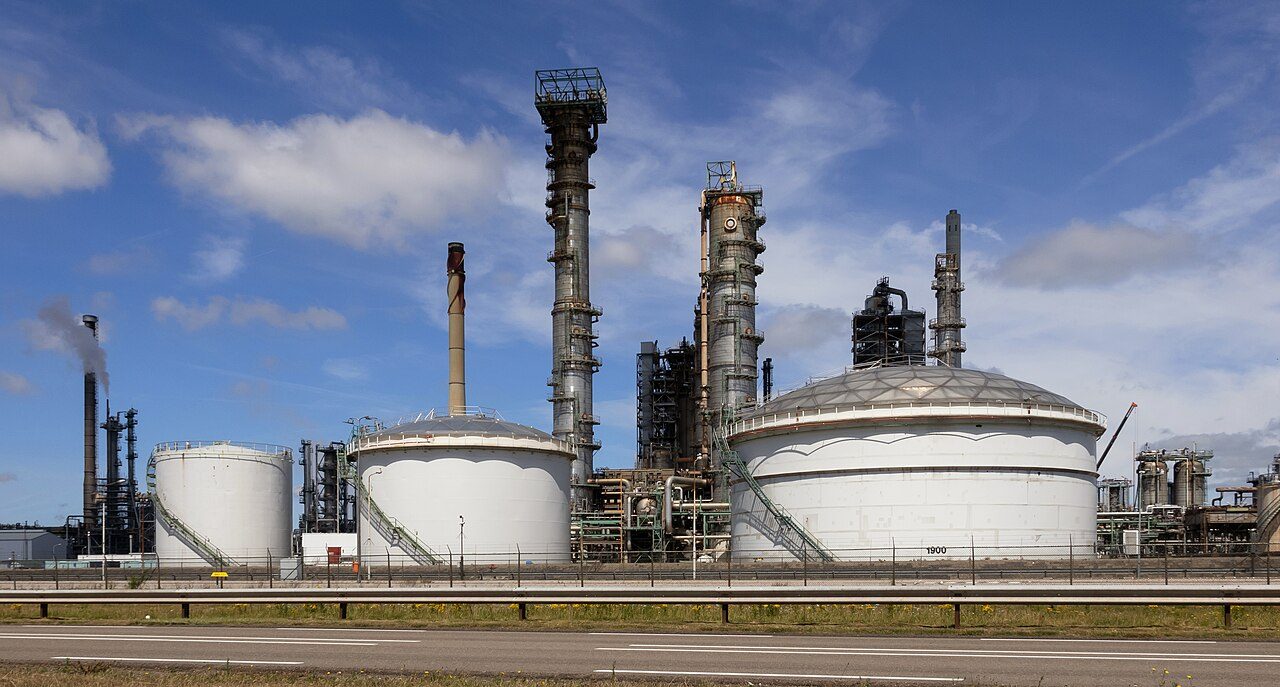
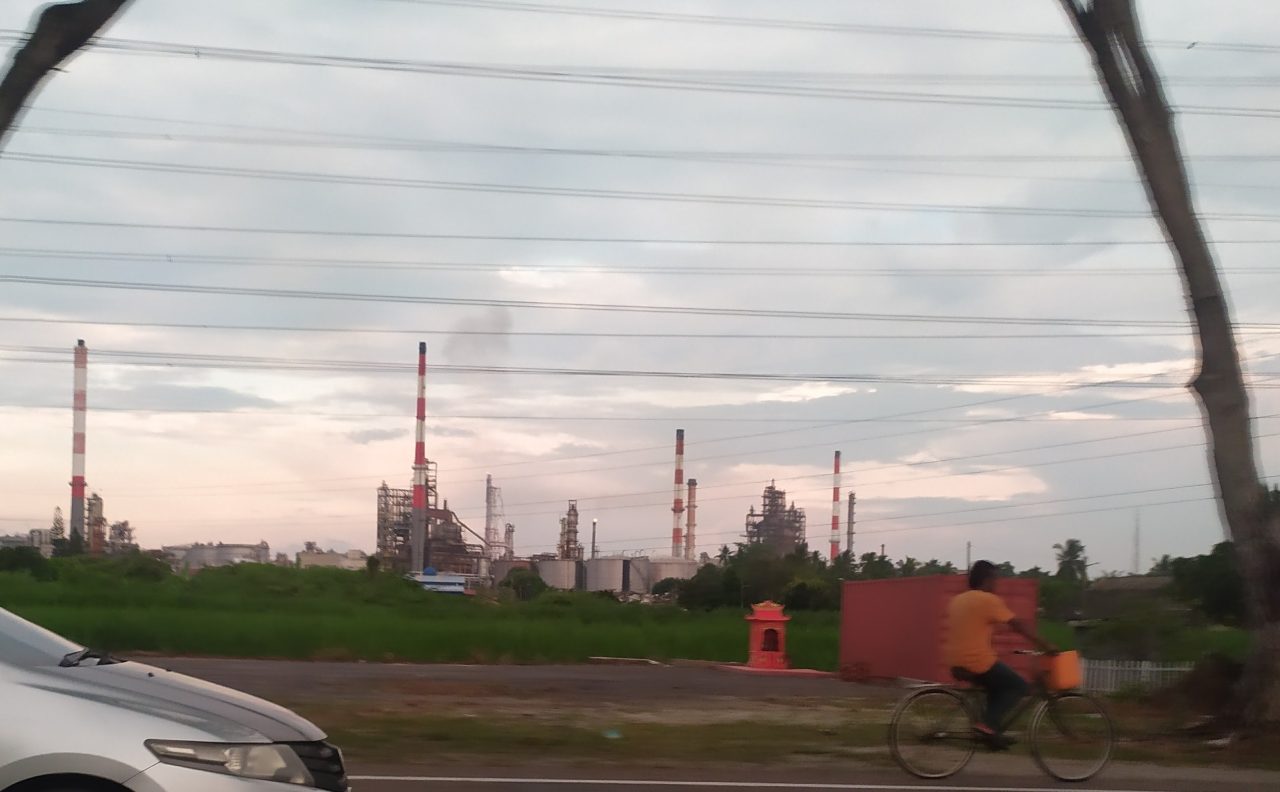
The accompanying archive photograph shows an oil refinery near Port Dickson, Malaysia, photographed in 2024 by AyyanD and licensed CC BY-SA 4.0 via Wikimedia Commons. It illustrates refining infrastructure in Asia. It does not depict a 2026 shutdown, a Gulf shipment or evidence of the IEA forecast.
 프리즘코리아 편집국 > 서유진 · Yujin Seo