Economy

IEA's spare-capacity figure is not simply capacity minus oil output

The September OPEC+ table uses distinct capacity measures and an explicit exclusion, limiting what its headline totals can tell readers about supply recovery.
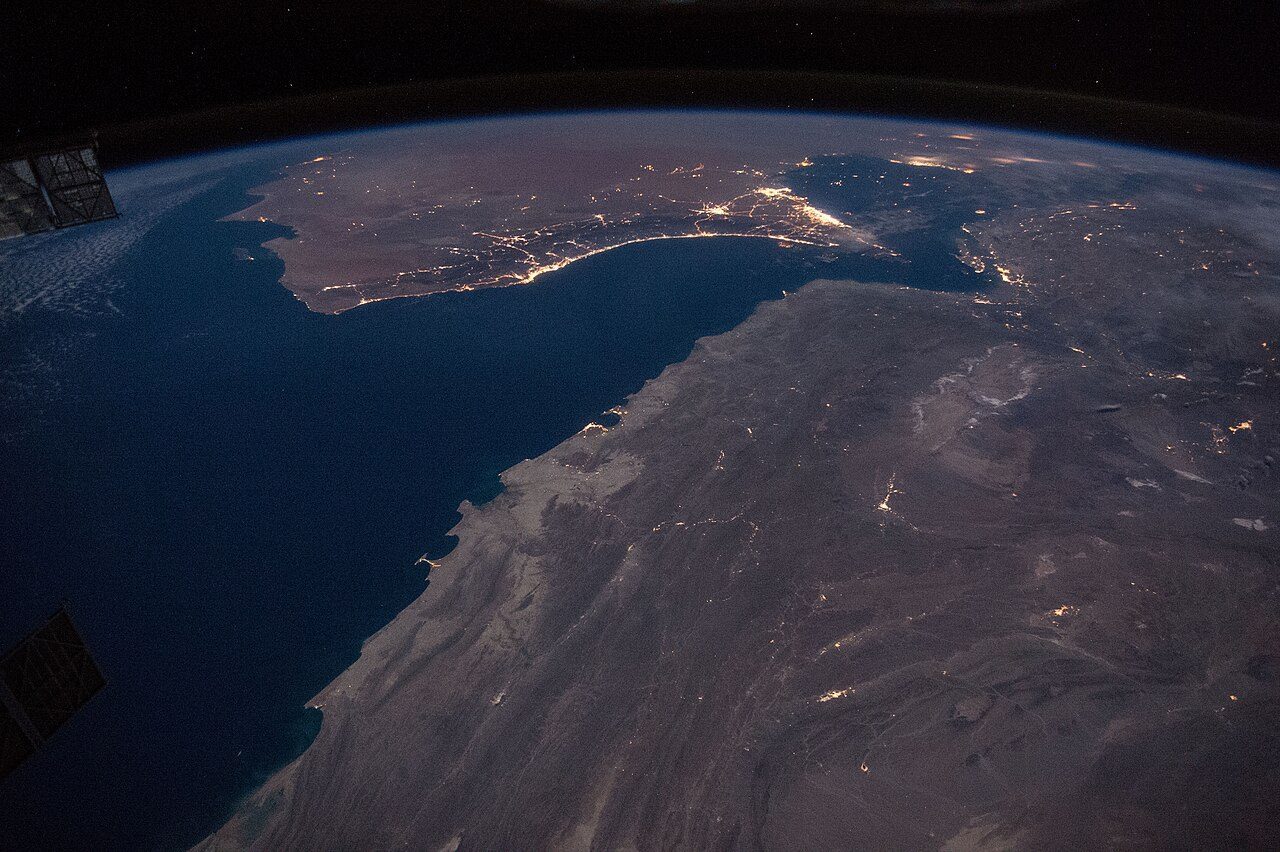
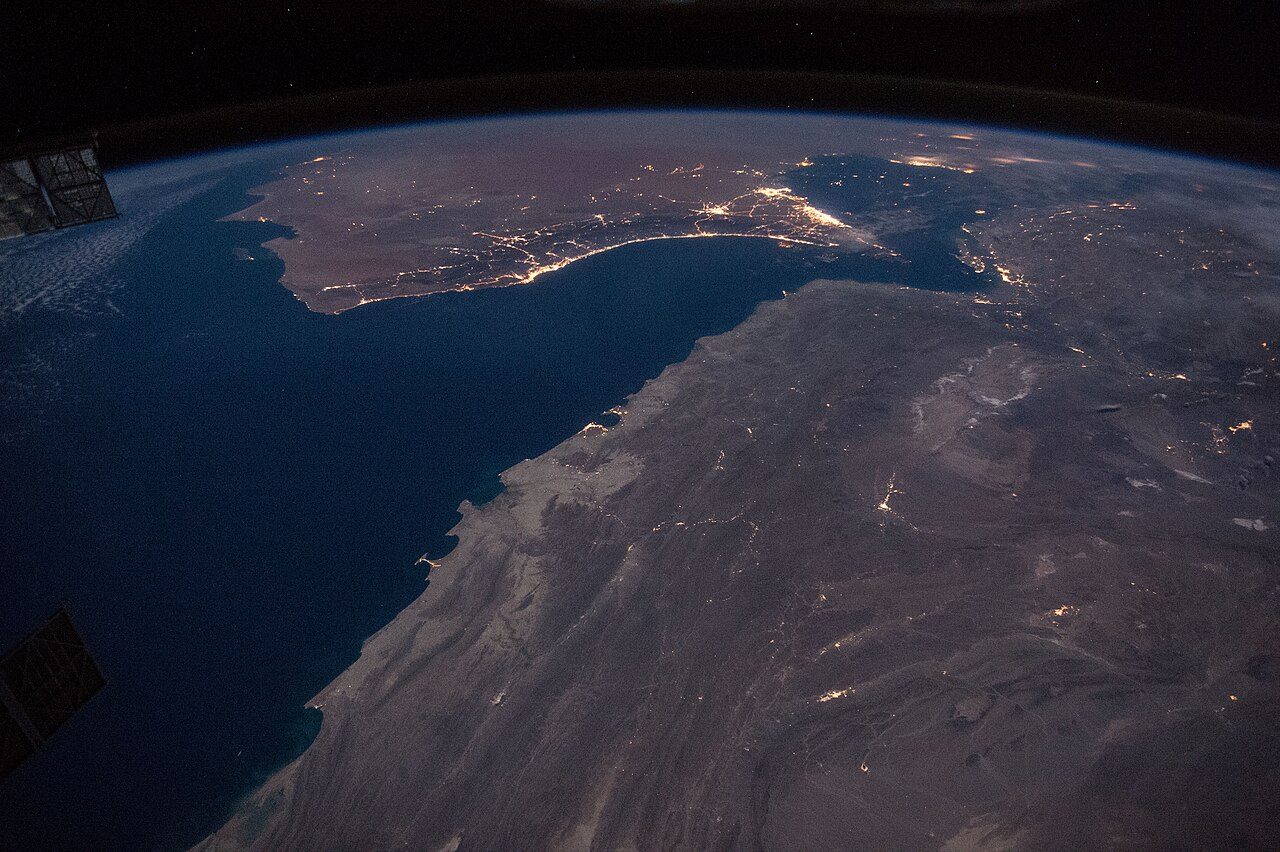
City lights and coastlines around the Gulf of Oman at night
The Gulf of Oman and Strait of Hormuz area seen from the International Space Station on 23 January 2016. Archival geographic context, not a photograph of the 2026 conflict or current oil flows. NASA/Tim Kopra, public domain. · 사진 / Photo · NASA/Tim Kopra · 출처 / Source · Public-Domain · Contributor-declared changes: Proportional compression only; no event alteration, current conflict or flow claims.. PRISM automatically re-encoded with JPEG quality 82; 1280x852 to 1280x852 pixels, aspect ratio retained with no upscaling.

The IEA's September oil table separates oil production capacity from supply that can respond to disruption. It lists total OPEC+ output at 33.11 million barrels a day in August and sustainable capacity at 43.93 million, but effective spare capacity at 0.22 million.

Interpretation

Subtracting output from sustainable capacity yields a larger number. That arithmetic is not the agency's effective spare-capacity estimate. The table defines sustainable capacity as levels reachable within 90 days and maintainable for an extended period; it is not a promise of immediate deliveries.

A separate footnote says the effective spare-capacity measure excludes shut-in Iranian and Russian crude. That exclusion matters when reading the figure during the Iran war: it is a defined category, not every barrel that might theoretically return.

Uncertainty

For readers comparing supply buffers, the oil table's labels and footnotes are essential. None of these capacity figures guarantees a cargo's arrival or a date for restored exports.

서유진 · Yujin Seo프리즘코리아 편집국 > 서유진 · Yujin Seo

Original sources

  1. IEA Oil Market Report September 2026 — OPEC+ table and notes ↗
Report an error ↗

Related stories

Economy · 2026.09.29

IEA cuts 2026 oil demand again as feedstocks and distillates bear the loss

The IEA now expects world oil demand to fall by 2.5 million barrels a day in 2026, a decline 940,000 barrels a day deeper than its August forecast. It says losses are concentrated in middle distillates and petrochemical feedstocks, especially in Asia; this is a demand forecast, not a count of fuel sold at pumps.

Economy · 2026.09.29

IEA's 95-million-barrel August stock draw hides opposite regional moves

The IEA estimates that observed global oil inventories fell by 95 million barrels in August, but the components moved in different directions: oil on water and non-OECD stocks declined while OECD stocks rose. The distinction matters because a higher OECD total did not reverse the worldwide draw or prove that fuel was available where shortages were most acute.

Economy · 2026.09.28

Why US diesel stocks can shrink while fuel exports remain high

EIA forecasts U.S. distillate stocks below 100 million barrels in September and below their five-year low through 2026, even as exports respond to a global diesel squeeze. IEA figures show sharply reduced Gulf product shipments. The outlook for easing diesel margins assumes restored Hormuz traffic; these forecasts do not establish today's pump price or a certain date for relief.