November 2026 Night Sky: Leonids, a Close Mars-Jupiter Pairing and a Supermoon on the 24th
A guide to November 2026's sky highlights: a new Moon on 9 November, the Leonid shower peaking around 17-18 November, Mars and Jupiter within about a degree on 15-16 November, and a full Moon on the 24th that Royal Museums Greenwich calls a supermoon.
November 2026 offers a dark-sky start, one modest meteor shower, a close planetary meeting and a late-month full Moon. This guide draws on two month-ahead sky guides, from Royal Museums Greenwich (RMG) and The Planetary Society. They agree on most dates but differ in places, and those differences are noted below.
The Moon sets the calendar. RMG lists the new Moon on 9 November at 07:02 and the first-quarter Moon on 17 November at 11:47; RMG states a time zone (GMT) explicitly only for the supermoon, so the other times should be treated as likely GMT. The nights around the new Moon have no moonlight, which RMG says suits viewing the Northern Taurids, a shower active from October to December that RMG gives a peak on 12 November, best late at night. RMG offers no hourly rate for them, and the Planetary Society does not mention them in its November guide, so this rests on one source.
The Leonids are the month's main shower. RMG says they are active from 6 to 30 November, and both guides expect roughly 10 to 15 meteors an hour from a dark site. The Planetary Society puts the peak on the night of 17-18 November and calls it a modest shower, caused by dust from Comet 55P/Tempel-Tuttle. RMG's text is internally inconsistent: its main text says 17 November while its short list says the early morning of 18 November. The Planetary Society adds that the first-quarter Moon sets around midnight, leaving the pre-dawn hours dark.
Mars and Jupiter meet on 15-16 November. The Planetary Society says the two planets pass within less than a degree of each other in the pre-dawn eastern sky near the star Regulus in Leo. RMG gives a separation of about 1.2 degrees on 16 November, visible from midnight to sunrise, and says the pair is best seen by eye, with binoculars, or through a telescope at under 40x magnification. RMG adds that Mars and Jupiter conjoin on average every two to two and a half years, and that closer conjunctions are much rarer. The two guides' separation figures differ slightly, but both describe a tight pairing.
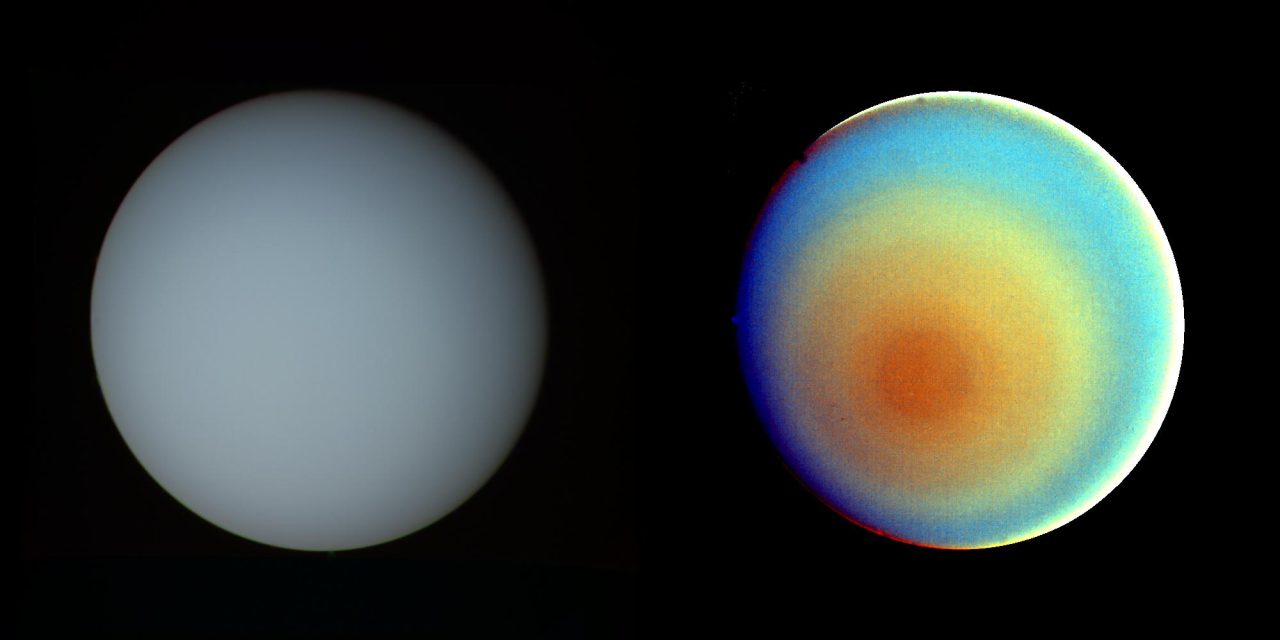
Late in the month attention turns to the full Moon on 24 November. RMG calls it a supermoon, with closest approach at 14:53 GMT at roughly 360,800 km, about 20,000 km closer than average, and says it looks about 7 percent larger and 15 percent brighter than an average full Moon. The Planetary Society calls the same full Moon the Beaver Moon and does not use the word supermoon, so the labelling differs between sources. On 25 November, RMG says Uranus is at opposition at magnitude +5.6, its brightest of the year; with a Moon about 97 percent lit nearby, it is hard to find without binoculars or a telescope.
The Planetary Society lists several smaller events. Venus is near the star Spica low in the pre-dawn east on 10 November, though it may be difficult to see. On 20 November a crescent Moon sits near Saturn in the evening sky, and Mercury reaches greatest western elongation. On 30 November a crescent Moon joins Jupiter and Mars before dawn.
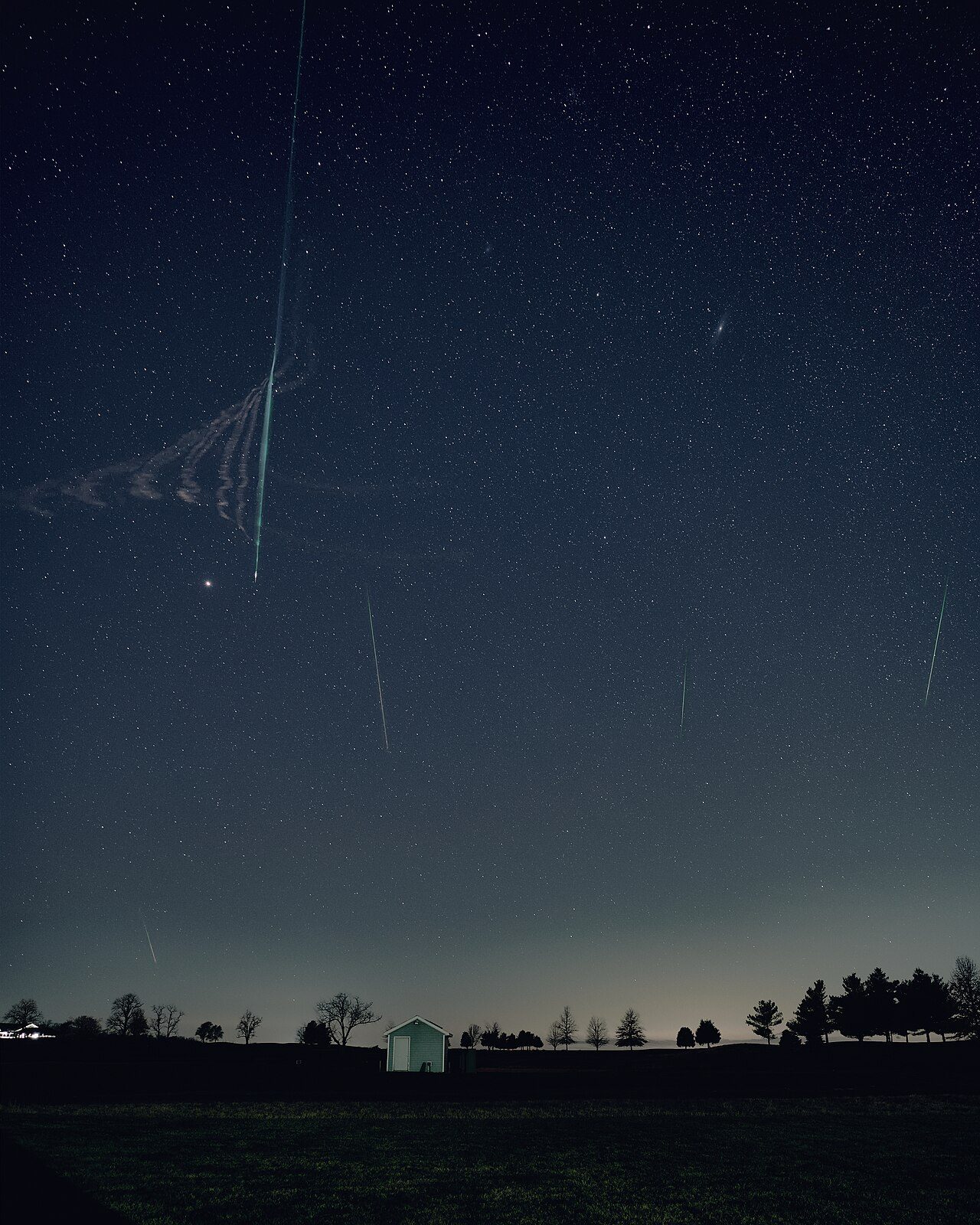
Observers should check local times and weather. The source guides mostly give dates, and most times lack stated time zones, so conversions to local time are the reader's to make. The photo with this article is a 2020 file image of Leonid meteors, not a picture of the 2026 shower.
 프리즘코리아 편집국 > Alex Rowan