Observable sky events in November 2026, including the supermoon, Mars-Jupiter pairing, and Taurid and Leonid meteor showers
Issue summary & timeline
AI SUMMARY · SONNET
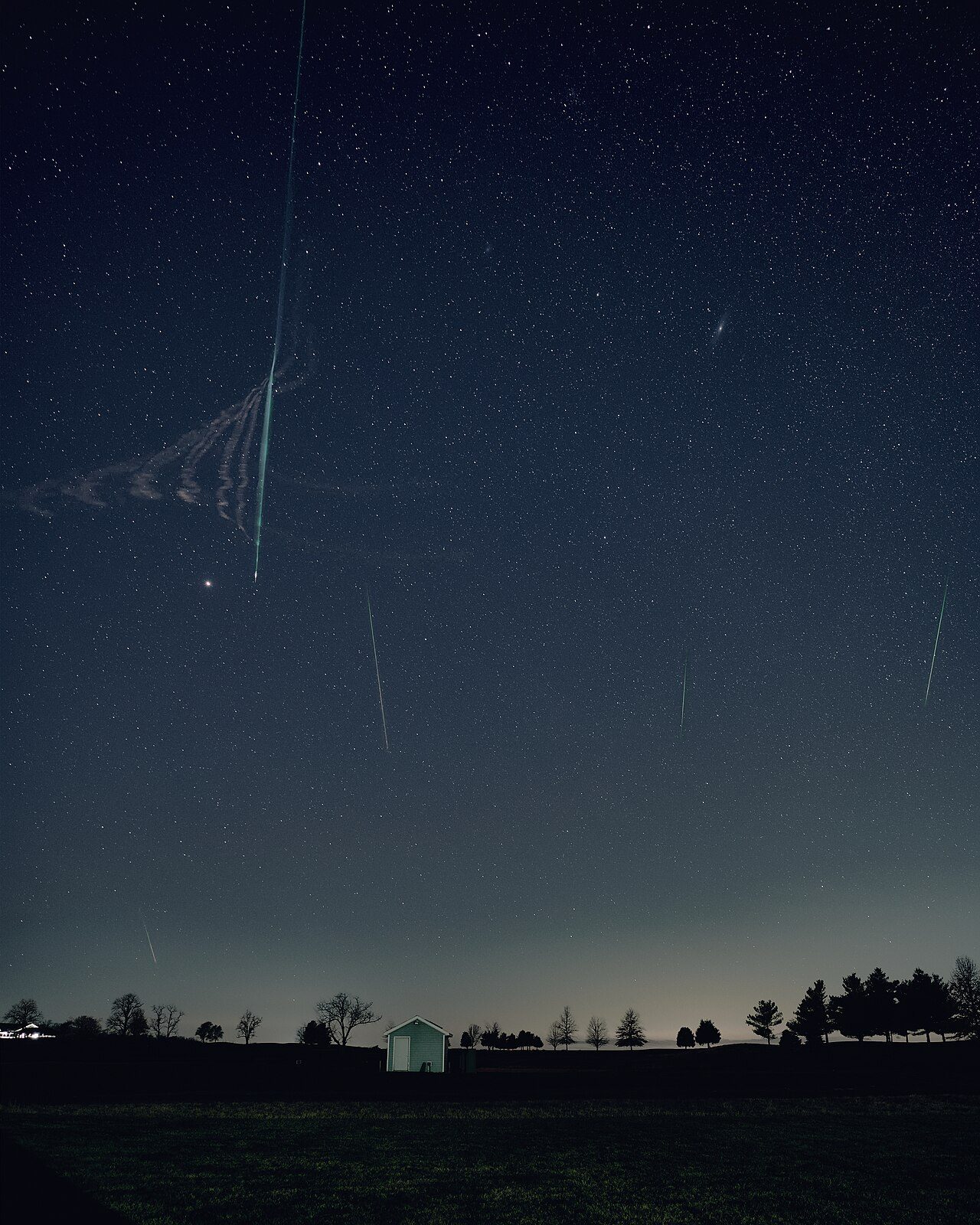
A November 2026 sky-watching guide, drawing on Royal Museums Greenwich (RMG) and The Planetary Society, highlights several celestial events. The Leonid meteor shower, active 6–30 November, peaks around 17–18 November with 10–15 meteors/hour expected. Mars and Jupiter pass close together (under 1–1.2 degrees) on 15–16 November near Regulus. A supermoon occurs on 24 November (called the Beaver Moon by one source), about 7% larger and 15% brighter than average, followed by Uranus at opposition on 25 November. Minor discrepancies exist between the two source guides on timing and terminology, and most published times lack confirmed time zones.
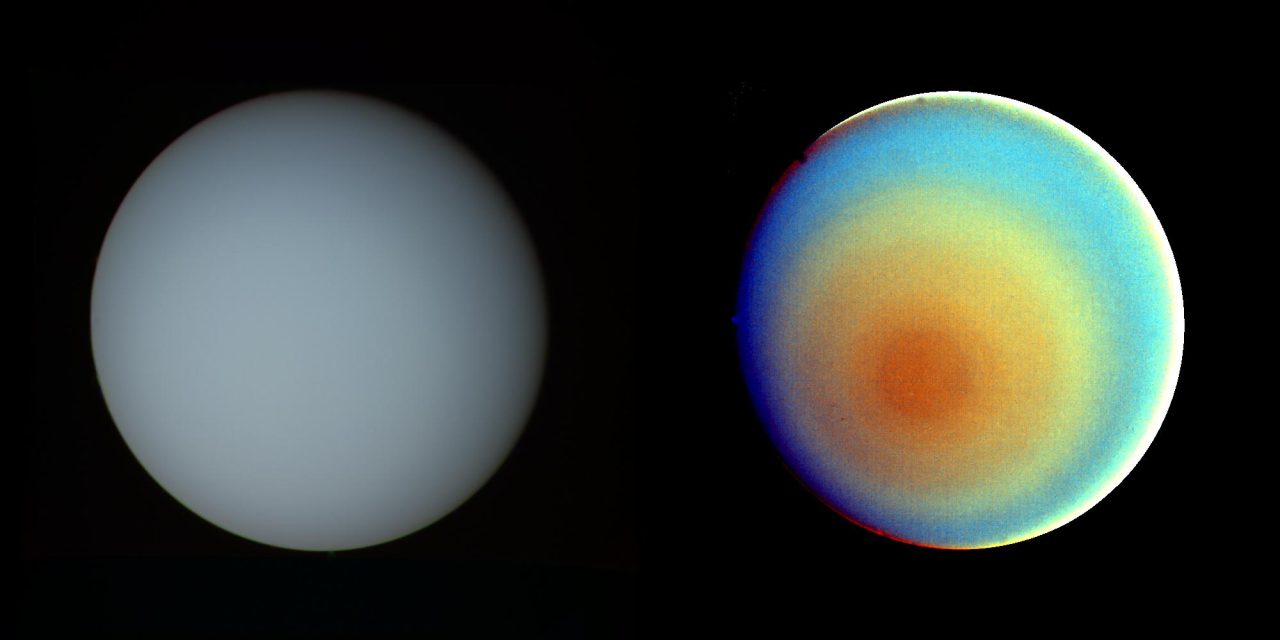
Uranus will stand opposite the Sun in Taurus on November 25. That geometry makes it a good target, but at about magnitude 5.6–5.7 and just after a full Moon, it can still be hard to distinguish from a star.
A guide to November 2026's sky highlights: a new Moon on 9 November, the Leonid shower peaking around 17-18 November, Mars and Jupiter within about a degree on 15-16 November, and a full Moon on the 24th that Royal Museums Greenwich calls a supermoon.