Bukangi moved toward open water, but Busan's second rescue stopped short
Busan’s October 2 net operation moved Bukangi hundreds of metres toward the outlet, but field reporters did not verify a release into open water. The weighted barrier caught on the channel bed, and crews fixed it in place while waiting for the shark to leave on its own.
Busan’s second effort to guide the shark nicknamed Bukangi out of North Port Waterfront Park ended on October 2 with the animal closer to the sea but still inside the artificial waterway. The new net operation is a measurable change from September 29, when boats and water pumps failed to produce an exit. It is not evidence of a completed release. Yonhap’s reporter at the site said crews stopped with the shark about 150 metres inside the outlet and fixed the net in place while waiting for it to swim out on its own.
The city’s October 1 notice described an intended start around 3:30 p.m. near the fourth pedestrian bridge. The National Institute of Fisheries Science had made a barrier roughly 50 metres long and 6.8 metres high. Boats and workers would move it seaward, limiting Bukangi’s ability to return to the inner channel. These were specifications and plans announced before the second attempt; their publication did not mean the route would prove passable or that the shark would cross the final opening.
Field accounts show what happened during the attempt. Yonhap reported that the shark passed the fifth and sixth pedestrian bridges and moved about 500 metres over roughly two hours. Operators checked its position from above and advanced gradually, pausing when it approached the net. This establishes progress along the channel, not a verified passage into open water. A spectator seeing the animal close to the mouth of the channel could reasonably expect a release, but the endpoint is a separate observation.
International Shinmun’s own October 2 field report identifies another practical limit: the weighted lower edge of the net caught on uneven features of the channel bed. The paper said work stopped at about 5:35 p.m. and the barrier was fixed in place. Pulling a snagged barrier harder could damage it or create a gap. The published accounts do not include a surveyed bed profile or a technical incident report, so the exact underwater point of contact and the repair options remain unverified.
The distance estimates should be read as approximate field descriptions. Yonhap and International Shinmun placed Bukangi roughly 150 metres inside the outlet when crews stopped; another firsthand News1 account put the operation around 100 metres from the opening. Different observation points and estimates may explain part of that spread, but the available reports do not provide a shared survey reference. None of the estimates is a count of metres the shark has already travelled in the open sea.
The restraint reflects the welfare problem at the heart of the operation. Busan had said the artificial channel constrained movement and feeding, even though earlier observation found the shark swimming and breathing steadily. On October 2 the crews used a moving barrier, yet a successful manoeuvre required more than pushing it toward a narrow outlet. The news reports do not supply a new veterinary examination after the work, so a visible swim cannot prove that the animal was unharmed, and a snagged net cannot by itself establish an injury.
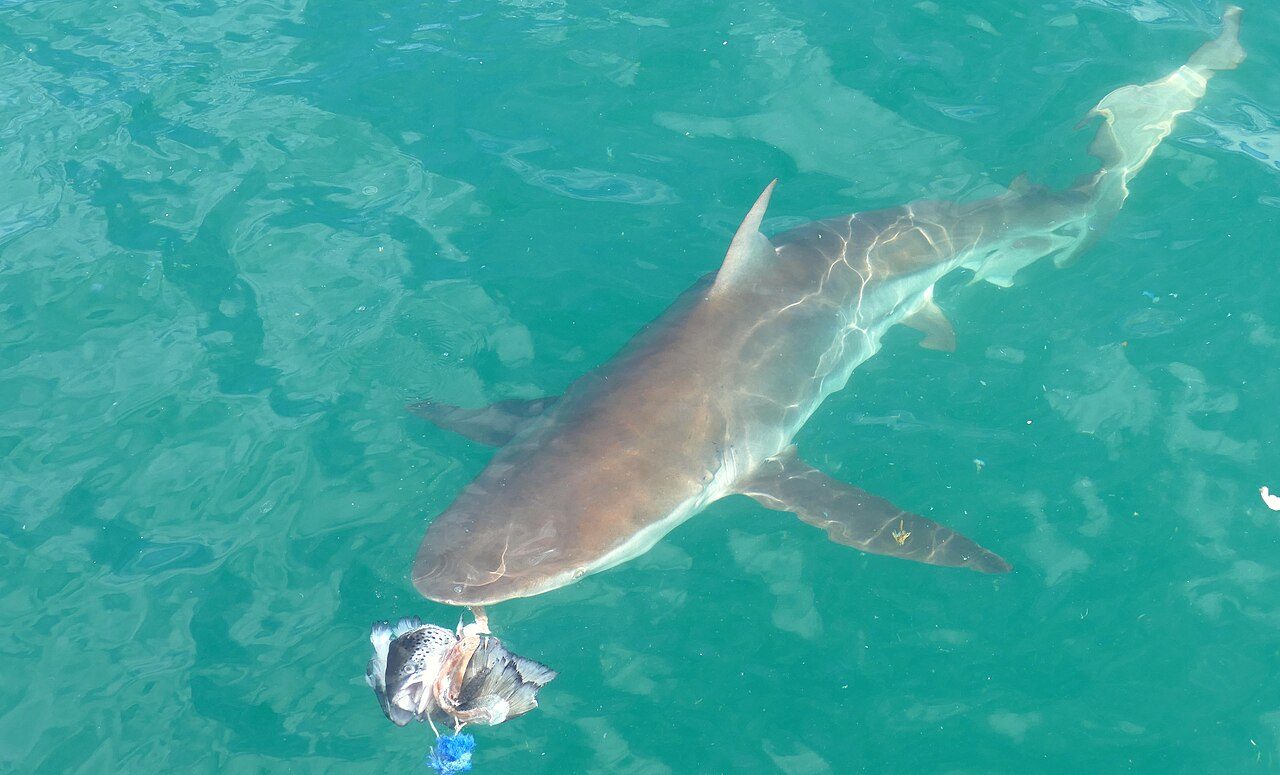
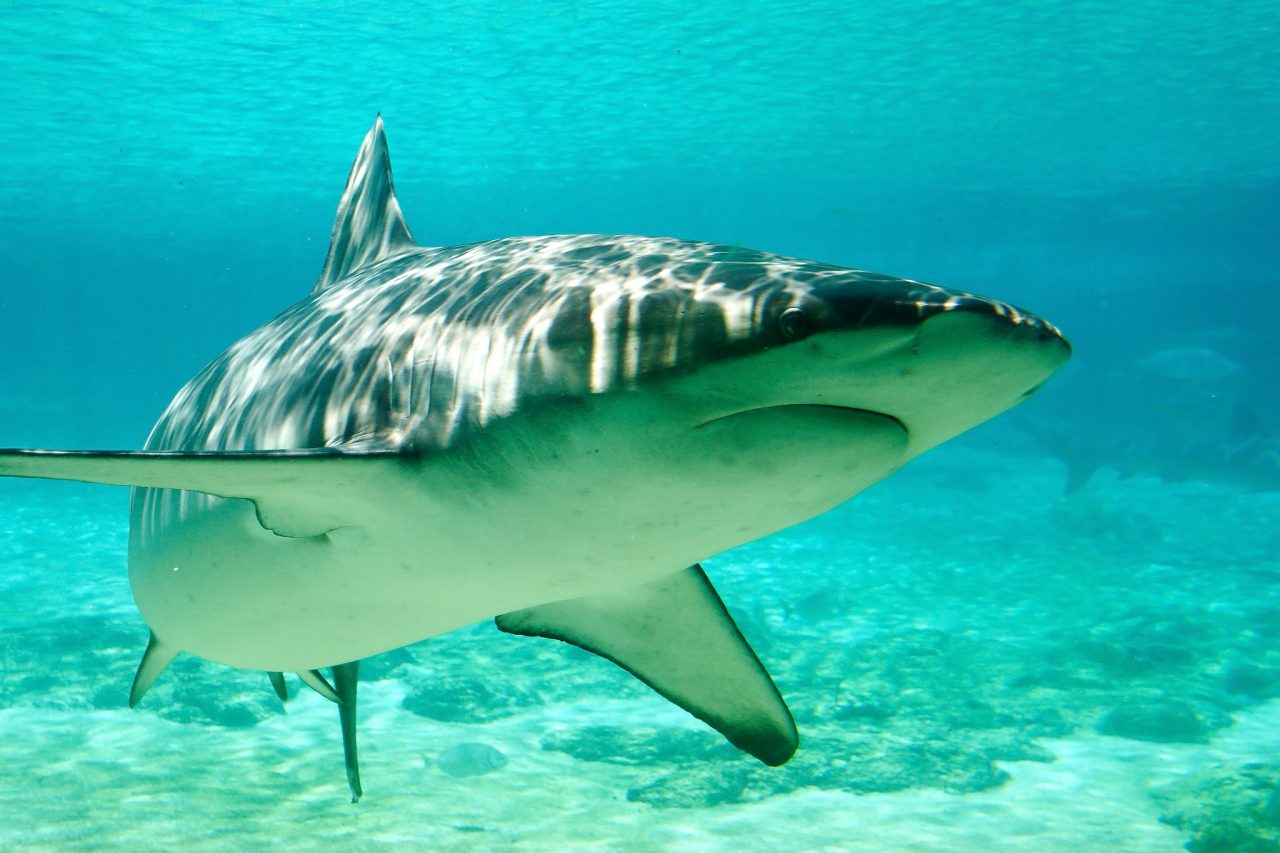
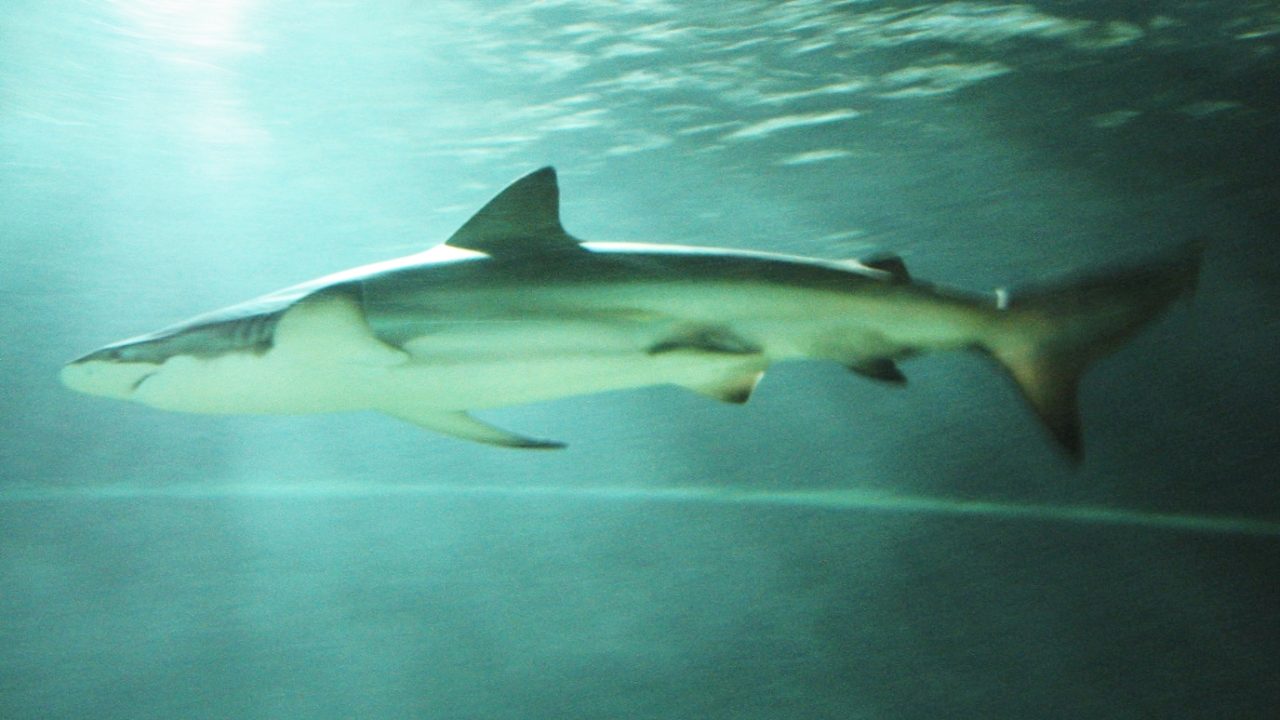
For readers outside Busan, the next verifiable milestone is a dated observation of Bukangi actually leaving the waterway, followed by an account of what happens to the temporary barrier and whether a further attempt is planned. As of the October 2 field reports reviewed here, officials had stopped the second guided operation and were waiting. This article has not independently observed the site. Its accompanying aquarium image, if used, shows a different bronze whaler in Auckland in 2002 and is only a species reference, not evidence of the Busan operation.
 프리즘코리아 편집국 > Nguyễn An
Original sources
- Busan Metropolitan City, October 2 follow-up rescue plan ↗
- Yonhap, firsthand October 2 operation report ↗
- International Shinmun, firsthand October 2 report and city follow-up ↗
- News1, firsthand October 2 operation report ↗
- Busan Metropolitan City, September 28 welfare assessment and first rescue plan ↗