Busan's next Bukangi rescue depends on a net still being made
After boats and water jets failed to guide Bukangi out of Busan's North Port canal on September 29, officials described a second approach using a specially made net. The reported 50-metre size and possible Friday attempt are plans, not evidence that the net is installed or that the shark has reached open water.
Bukangi's next route to the sea is being planned around a piece of equipment that was not ready for the first attempt: a specially made net. Busan tried to guide the shark out of North Port Waterfront Park's artificial waterway on September 29 with boats and streams of water. That attempt ended while the animal remained in the canal. The new question is how a net might change the available path without turning a proposed rescue method into a claim of success.
Busan's September 28 plan set out the sequence before the operation began. Vessels and water pumps would first encourage movement toward open water. If that did not work, officials would use a purpose-made net to limit movement back into the channel while keeping a seaward route. The city described a staged response and said the animal's condition and stress would be monitored. The net was a fallback in the official plan, not a device that had already been used during the first outing.
Reporting from the September 29 operation explains the practical reason for the change. Associated Press reported that crews deployed five vessels and that the shark repeatedly swam past or dived to avoid them. The account attributes a tentative next method to Busan official Kim Won-ho: the National Institute of Fisheries Science was producing a net at least 50 metres long that boats could stretch across the waterway, with another boat spraying water behind the shark. Those are descriptions of a proposed arrangement. They do not establish the final net's dimensions, its delivery, or that it will work as intended.
A September 30 report on Busan's own children's-news site adds a location-specific detail: the first day's intended route led from the fourth pedestrian bridge past the fifth and sixth bridges toward the exit. It said further rescue activity would wait for the net to be finished, while the city aimed to start another attempt by October 2. Associated Press quoted the city official saying another try could come as early as Friday. Both accounts point to a preparation window, not a fixed appointment or an observed departure. Weather, equipment readiness and the animal's behavior could still affect an operation; the reviewed sources do not provide a completed second-attempt report.
The distinction matters to anyone following live images of the waterway. A boat moving into position, a net arriving, and the shark actually crossing into open water are separate events. The first attempt showed that water jets and vessels alone did not produce the desired exit. The next attempt may add a moving barrier, but its effectiveness and the animal's response remain untested in the public record available at the start of October 1. A verified update should report what crews deployed, when work began and ended, and whether the shark was seen leaving the canal.
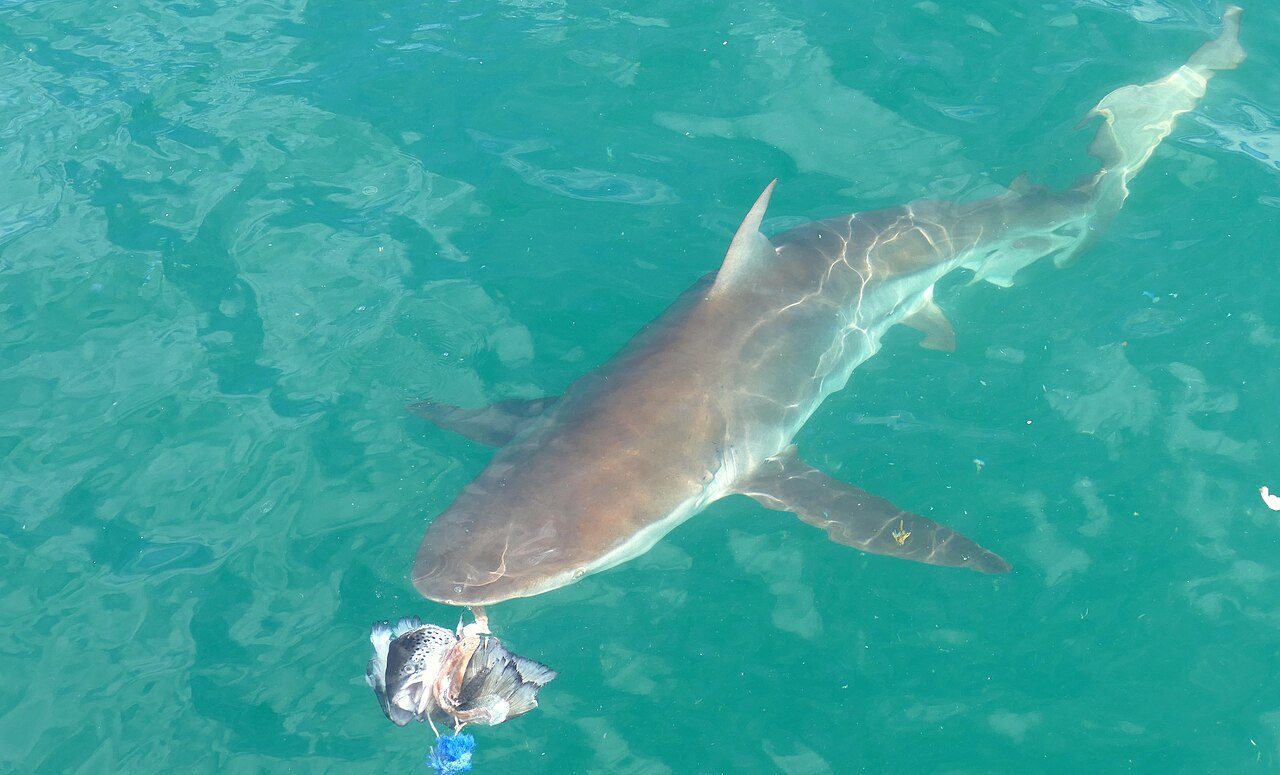
This account is based on Busan's published plan and subsequent firsthand reports, not on an independent observation of the shark or rescue site. It does not infer Bukangi's current health from video or predict an outcome. The accompanying reference photograph, if shown, depicts another copper shark in South Africa in 2018, photographed near bait; it is neither Bukangi nor a record of the Busan operation.
 프리즘코리아 편집국 > Nguyễn An