Road crashes, travel risks and prevention during Chuseok in South Korea, distinguishing historical holiday statistics from current incidents.
Issue summary & timeline
AI SUMMARY · SONNET
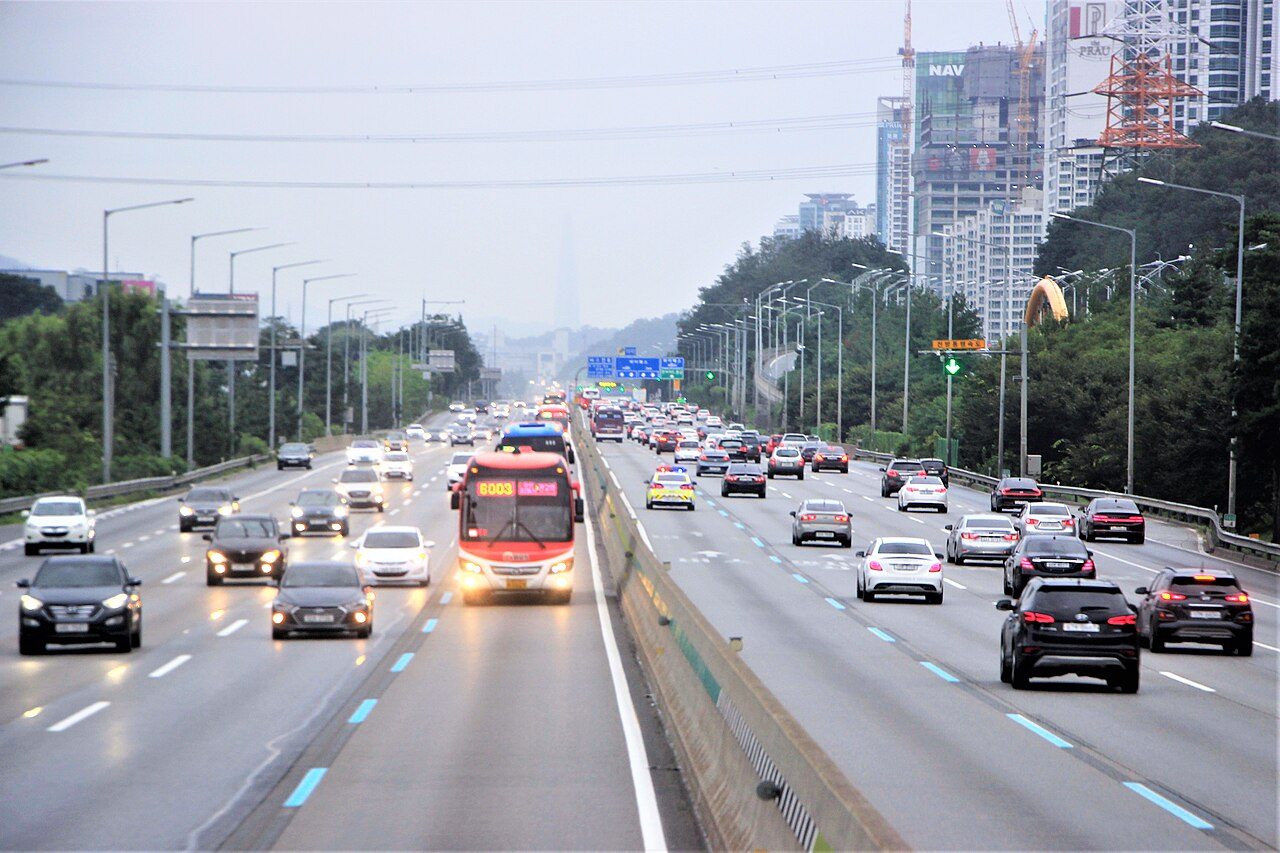
A South Korea road safety bulletin issued for the Chuseok holiday period, posted by the Korea Road Traffic Authority on TAAS on September 22, 2025, cited Korea Expressway Corporation data showing 30 expressway crashes involving adaptive cruise control (ACC) in use from 2021–2025, with 20 deaths. The figure is a multi-year total, not a Chuseok-specific statistic. The authority warned that ACC does not reliably respond to sudden cut-ins, abrupt stops in traffic, or road debris, and urged drivers to remain attentive. Analysis published September 29 notes the data lacks a comparison baseline (no mileage or matched non-ACC vehicle group), so causation cannot be established from the crash count alone. It also distinguishes ACC from related but different features like automatic emergency braking and forward collision warning, per US NHTSA terminology, cautioning that vehicle-specific manuals should be checked. An accompanying Gyeongbu Expressway photo, taken in September 2020, illustrates a generic road scene and does not depict any ACC incident or 2026 holiday traffic.
South Korea’s road safety agency found that crashes on the day before Chuseok averaged 750 a day in its 2021–2025 analysis, with 43% occurring from 2 p.m. to 8 p.m. Those historical counts identify a planning window, but they do not measure the chance of a crash on any individual journey or establish the final toll for 2026.
A Korean holiday safety bulletin cites 30 expressway crashes involving adaptive cruise control use in 2021–2025, with 20 deaths. Those figures are not confined to Chuseok and do not establish that the system caused each crash. For English-speaking drivers, the useful distinction is between speed assistance, emergency braking and responsibility for monitoring the road.