Chuseok’s busiest crash window falls before the holiday, Korean road data show
South Korea’s road safety agency found that crashes on the day before Chuseok averaged 750 a day in its 2021–2025 analysis, with 43% occurring from 2 p.m. to 8 p.m. Those historical counts identify a planning window, but they do not measure the chance of a crash on any individual journey or establish the final toll for 2026.
By the time South Korea’s Chuseok holiday began on September 24 this year, one of the most important road-safety windows had already passed. The Korea Road Traffic Authority’s September 22 analysis places the largest daily crash count on the day before the holiday, based on the five Chuseok periods from 2021 through 2025. It reports an average of 750 crashes on that preceding day, compared with 426 per day during the holiday itself. The authority describes the difference as about 76%. These are historical daily averages, not a count of crashes on September 23, 2026.
The timing inside that preceding day is more specific than a general warning about holiday congestion. According to the authority, 43.0% of crashes on the pre-holiday day occurred between 2 p.m. and 8 p.m. That six-hour share identifies when recorded crashes clustered. It does not mean that 43% of travellers crashed, or that a journey beginning outside those hours was safe. The release does not supply vehicle volumes, kilometres travelled or trip counts by hour, which would be needed to estimate risk for an individual trip.
An older authority analysis provides a useful consistency check, while also showing why the figures cannot be merged. Its September 2024 release covered Chuseok periods from 2019 through 2023 and found 797 crashes per day on the preceding day against 429 during the holiday, an 86% difference. It placed 42.8% of pre-holiday crashes in the same 2 p.m. to 8 p.m. span and identified 4 p.m. to 6 p.m. as the busiest narrower interval. The two five-year windows overlap, so they are not independent annual samples. A change from 797 to 750 cannot be called a measured improvement in the 2026 holiday.
The comparison also has a calendar boundary. Korea Tourism Organization’s 2026 guide dates Chuseok itself to Friday, September 25, and the named holiday to September 24–26. The road authority’s “day before the holiday” belongs to the lead-in to that period; readers should not treat its 750 figure as the average of the three holiday dates. Nor should they attach the older study’s 4 p.m. to 6 p.m. maximum to the new study as though the latest release separately confirmed that two-hour peak.
For an English-speaking resident or visitor, the practical value is in planning the entire departure, not only the expressway segment. A journey may involve reaching a rental counter, collecting passengers, loading luggage and leaving a city before joining the long-distance route. The authority advises checking weather and road restrictions before departure, keeping sufficient following distance and avoiding driving after drinking. Its announcement does not test whether moving one trip to a different hour would lower that traveller’s crash probability. A traveller can use the historical concentration as a reason to allow more time and check current conditions, without treating the figures as a personalized forecast.
The crash totals say nothing by themselves about the severity of each event. In the same 2021–2025 analysis, the authority reports fewer crashes per day during the holiday than across the full reference period, but more people killed or injured per 100 crashes. Those are separate denominators and a separate question from the pre-holiday timing examined here. Counting only pre-holiday crashes could miss a serious injury burden on other days; conversely, an injury ratio cannot be multiplied mechanically by the preceding day’s 750 crashes to invent a casualty total.
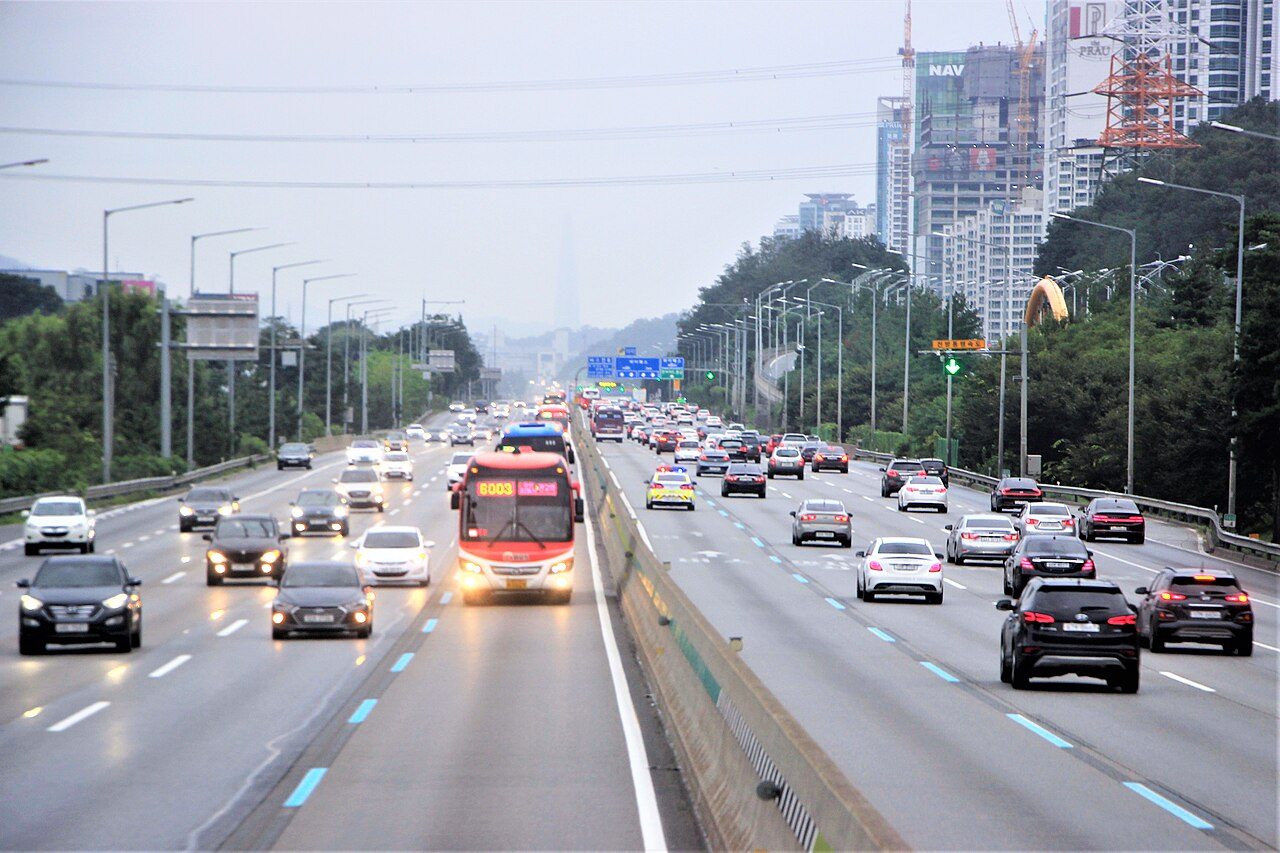
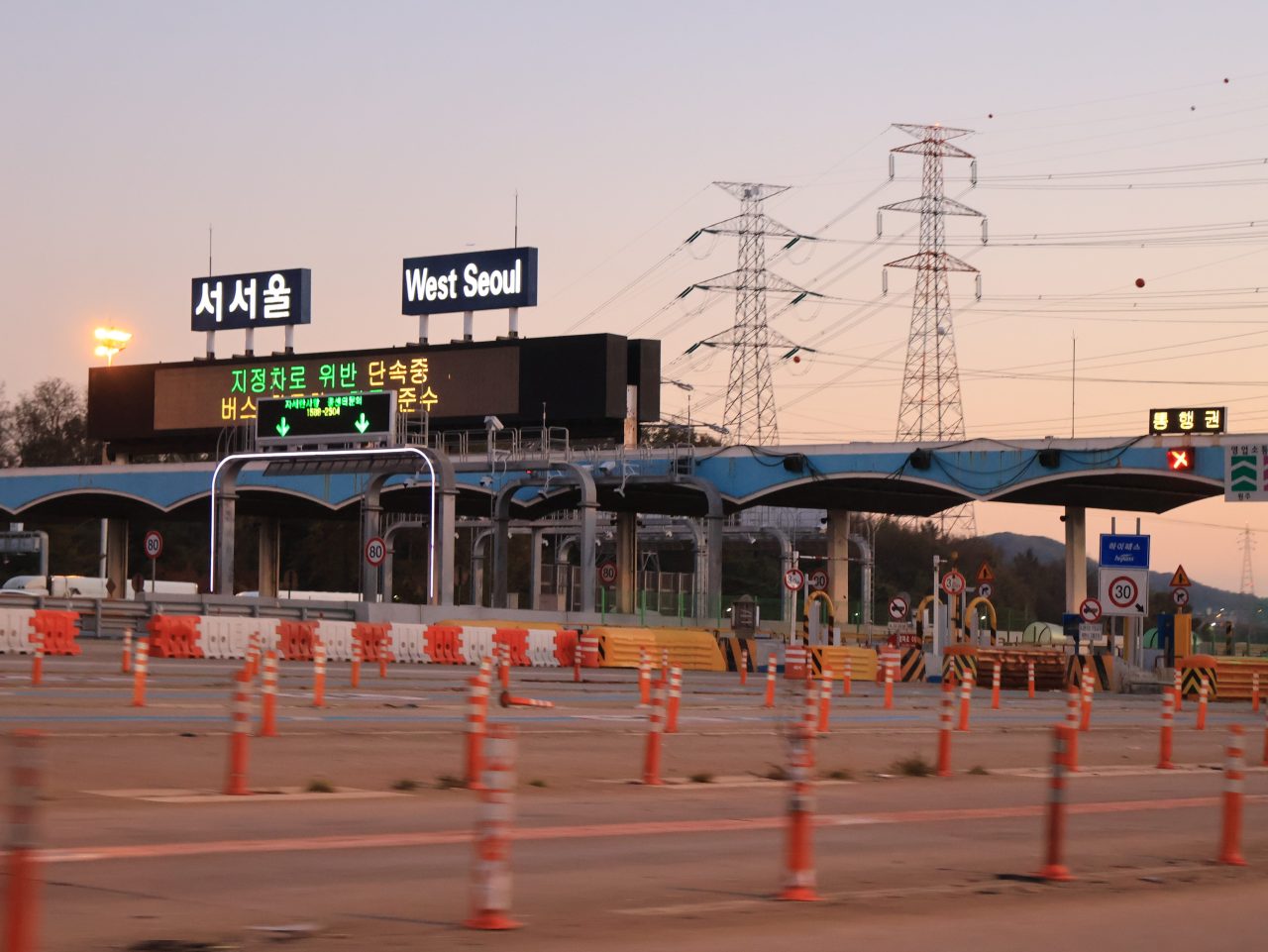
The figures were published before this year’s holiday and end with 2025. A verified assessment of Chuseok 2026 would require newly released crash records, with the holiday and its preceding day defined consistently, and preferably traffic exposure by time and road type. This article has not verified a current accident scene or a current road closure. The accompanying photograph shows the West Seoul toll plaza in November 2023 as an archival illustration; it is not evidence of traffic or crashes during Chuseok 2026.
 프리즘코리아 편집국 > 森川結衣 · Yui Morikawa