Chuseok drink-driving figure is a crash share, not a driver’s risk
A Korean ministry says 8.7% of recorded Chuseok road crashes in 2021–2025 involved drink-driving, versus 6.5% across the full period. The 2.2-percentage-point gap describes the makeup of crashes, not a driver’s chance of crashing. Its advisory does not provide a separate 2026 alcohol-related count, so the historical share cannot be applied to this year’s preliminary traffic figures.
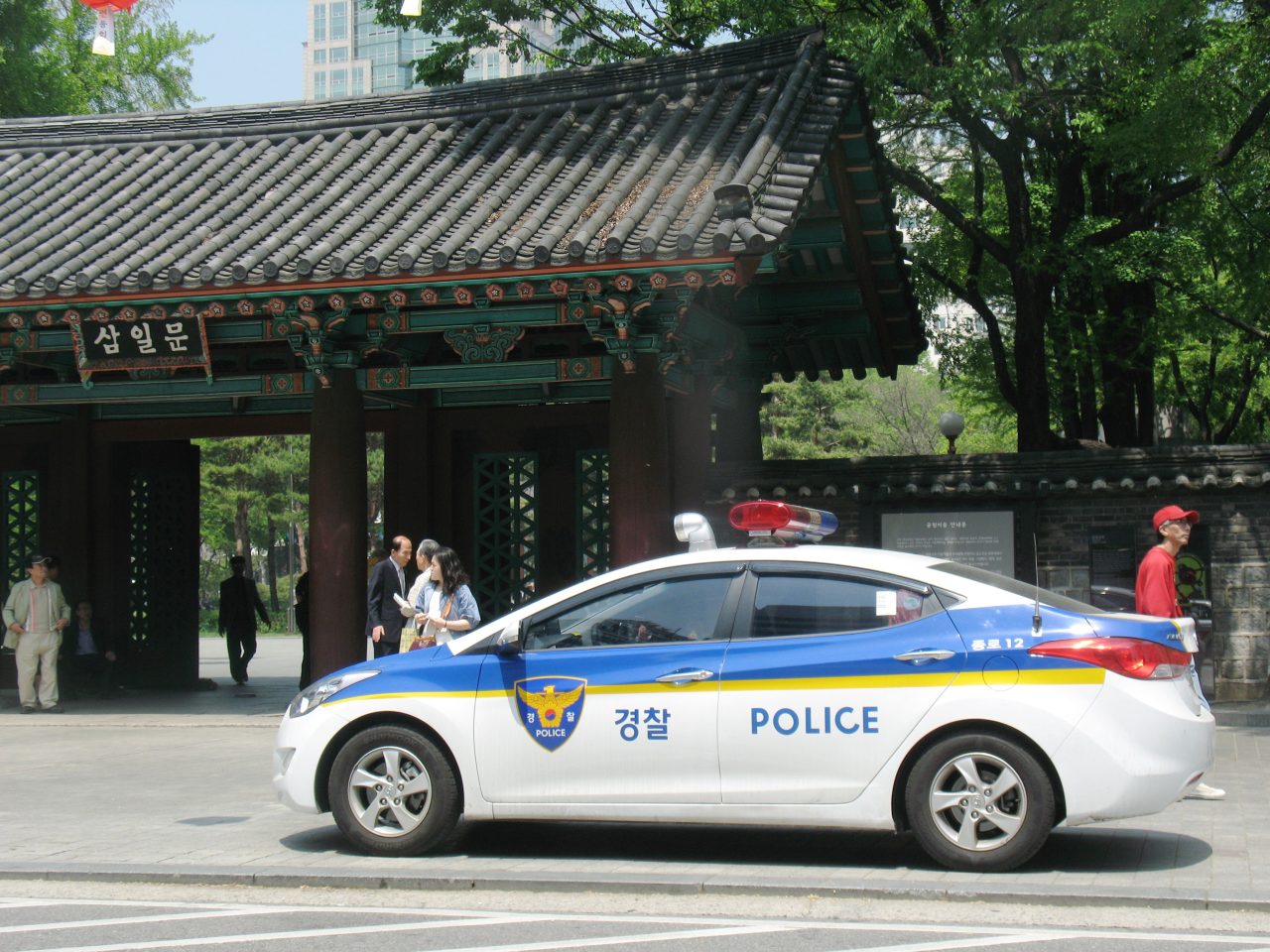
South Korea’s warning about drink-driving over Chuseok rests on a different measure from the traffic totals released after the 2026 holiday. In a September 21 advisory, the Ministry of the Interior and Safety said drink-driving accounted for 8.7% of recorded road crashes during Chuseok holidays across 2021–2025, compared with 6.5% over the full five-year period. That is a difference of 2.2 percentage points in the composition of crashes. It is not a finding that any individual holiday drive had an 8.7% chance of ending in a crash.
The denominator is every recorded crash in each period, not all journeys or all drivers. A share can rise if alcohol-related crashes increase, if crashes from other causes fall, or both. The ministry’s short advisory does not provide the number of drink-driving trips, total kilometres driven, testing rates or comparable police enforcement intensity for each holiday. Without those data, the 8.7% and 6.5% figures cannot be converted into a driver’s probability of collision, nor can their difference be attributed to a change in drinking habits.
The same advisory says crash patterns vary across the holiday. Using 2021–2025 records, it puts the daily average on the day before the holiday at 750 crashes, against 541 on an ordinary day, and identifies 4–6 p.m. as the busiest two-hour interval on that pre-holiday day, with an average of 123 crashes. Those timing figures describe all crashes; they do not say how many of the 123 involved alcohol. Combining the 8.7% holiday share with the 123 pre-holiday crashes would mix different days and measures and invent a drink-driving count the ministry did not publish.
Severity is also a separate calculation. The ministry reports 166 people killed or injured per 100 crashes during the holiday, compared with 144 per 100 on ordinary days. It does not identify the proportion of those casualties attributable to alcohol in the cited advisory. The higher casualty ratio and the higher alcohol-related share both warrant attention, but neither establishes that alcohol explains the other. Occupancy, vehicle mix, road conditions and crash severity would need separate evidence before drawing that link.
For the 2026 Chuseok period itself, the transport ministry’s preliminary September 29 release gave nationwide average daily crash and death counts for September 23–27. It did not provide a matching 2026 drink-driving share in the public summary. A reader should therefore keep the five-year historical 8.7% distinct from the newly reported 2026 totals. Applying the older percentage to the newer crash count would create a synthetic number, not an official 2026 tally.
The public-safety advice is more direct than the statistics: the interior ministry says not to drive after even one drink, and urges passengers to wear seat belts and drivers to rest when tired. For English-speaking residents and visitors, the practical point is to arrange a non-driving return before drinking and to avoid treating apparently lighter traffic as permission to drive impaired. This advice follows the ministry’s stated prevention guidance; the published aggregate figures do not test the effect of any single choice on an individual journey.
Earlier English reports in this newsroom addressed the pre-holiday crash window, adaptive-cruise-control data and the preliminary 2026 traffic results. This report asks a narrower question about the denominator behind the alcohol figure. A fuller follow-up would need final 2026 police crash records separated by alcohol involvement, comparable holiday definitions, exposure measures and enforcement data. Until then, 8.7% is best described as a historical share of crashes during Chuseok, not as a current accident rate or an estimate of how many drivers drank in 2026.
 프리즘코리아 편집국 > 森川結衣 · Yui Morikawa