Chuseok 2026: more expressway traffic, fewer reported crashes, but no simple risk rate
South Korea's transport ministry says average daily expressway passages rose 12.6% during its five-day 2026 Chuseok transport period, while preliminary nationwide daily crash and death counts fell. The measures cover different networks and time windows, so they cannot by themselves establish a safer expressway trip or the effect of any one policy.
South Korea recorded more expressway traffic but fewer reported road crashes during the five-day 2026 Chuseok special transport period, according to a September 29 preliminary account from the Ministry of Land, Infrastructure and Transport. The contrast is striking, but it does not establish that an individual expressway journey became safer, nor does it identify which government measure caused the change.
The ministry put average daily expressway traffic at 6.09 million vehicle passages for September 23–27, up 12.6 percent from 5.41 million in the previous year's comparison period. It also reported an average of 228 traffic crashes a day nationwide, down 50.8 percent from 463, and an average of 5.0 road deaths a day, down 41.5 percent from 8.5. The release labels the traveller total provisional and says the crash and death figures draw on police information available through midnight on September 27. These figures are a first account, not a final audited crash series.
The geography of the figures matters. Expressway passages measure traffic on that network; the crash count covers the country. Dividing 228 nationwide crashes by 6.09 million expressway passages would combine different populations and produce a misleading risk rate. A comparable expressway crash rate would require expressway-only crashes and a consistently defined traffic exposure, such as journeys or vehicle kilometres, for both years. The ministry's short summary does not provide that calculation.
The periods also differ. The government says its special transport window lasted five days in 2026, versus 11 days in 2025. It estimates 30.75 million people moved during the shorter 2026 period, four percent fewer than the 32.04 million counted for the longer comparison period, while reporting more movement on an average day. A shorter observation window can have a lower cumulative total while travel is concentrated on each day. Neither measure alone captures when and where roads were busiest, and the ministry's definitions should be checked before turning its aggregate counts into a per-trip safety claim.
Before the holiday, the ministry announced a special traffic programme for September 23–27 and forecast heavy outbound travel on September 24 and return travel on September 25. Those were plans and forecasts. The later release reports aggregate outcomes, but does not publish a route-by-route counterfactual showing what would have happened without a specific intervention. It would overstate the evidence to credit the reported 50.8 percent crash reduction to toll relief, traffic management, public warnings or any one safety measure. Weather, the timing and length of the holiday, traffic mix and reporting practices also need examination before a causal claim.
The distinction matters for English-speaking residents and visitors planning future holiday trips in Korea. The newly released numbers describe a completed 2026 period, while the newsroom's earlier English reports examined the pre-holiday crash window and historical crashes recorded while adaptive cruise control was in use. Those earlier five-year figures cannot be substituted for this year's actual holiday result. Equally, a national decline in average crashes does not say that a particular route, hour, vehicle type or traveller group experienced the same decline.
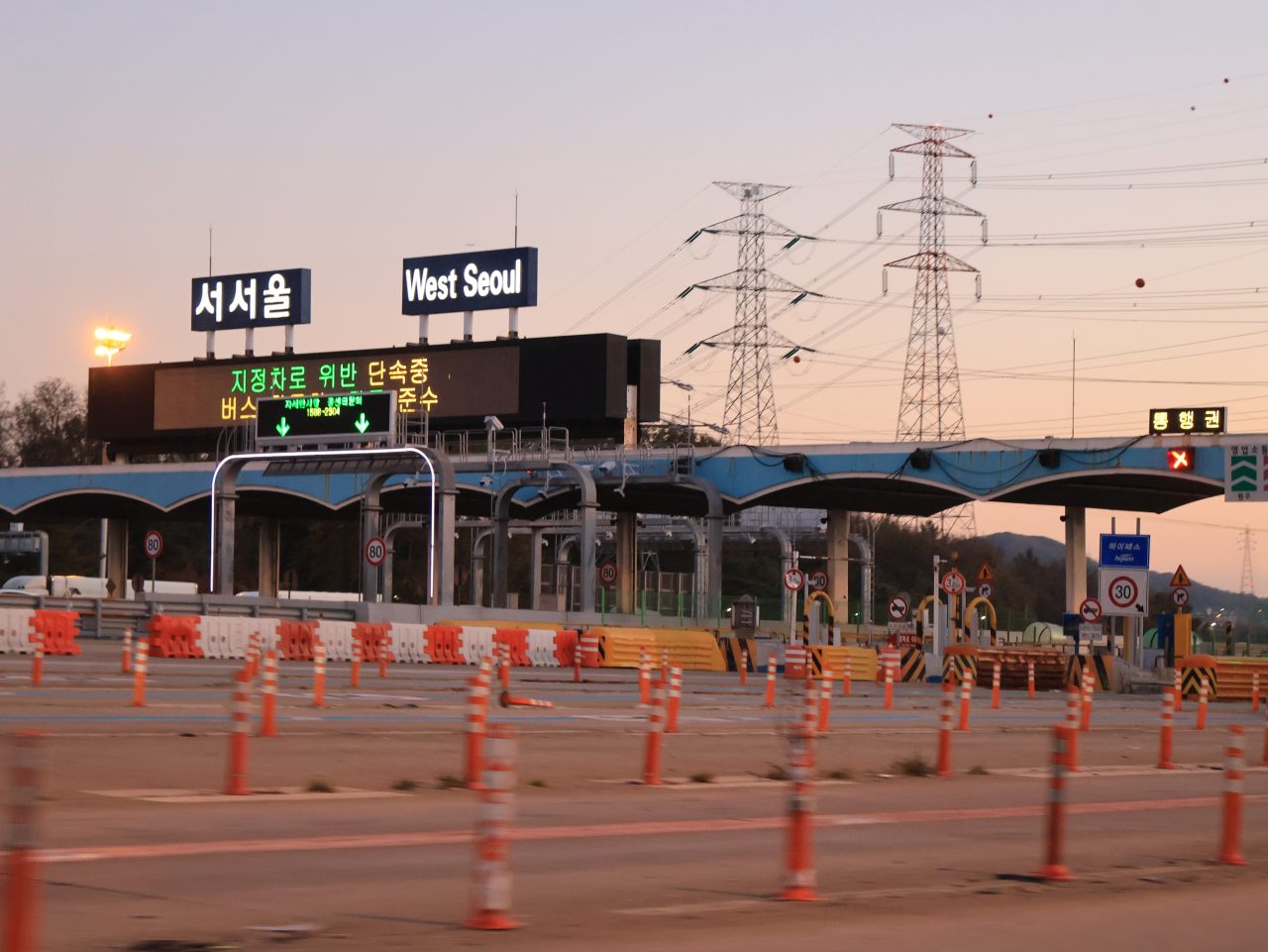
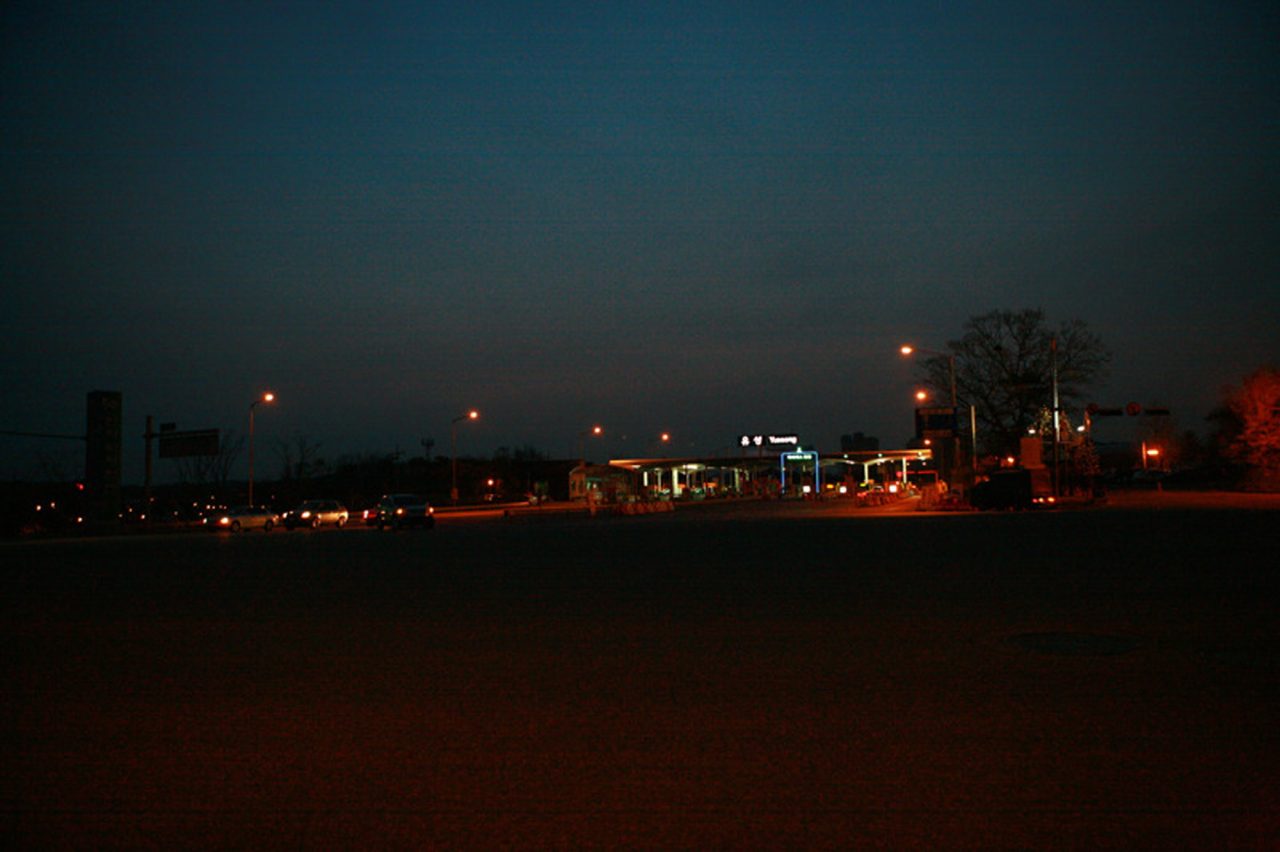
A fuller safety assessment would compare identical dates or carefully adjusted holiday windows, final crash and casualty totals, road types, traffic volumes and distances driven. It would separate the effects of changing exposure from changes in crash severity and check whether police revisions altered the initial totals. Until those data are available, the responsible reading is narrower: the ministry reported a welcome provisional fall in nationwide daily crashes and deaths alongside more daily expressway traffic, with causation and trip-level risk unresolved. The archive image accompanying this report shows a Korean toll plaza years before 2026; it is context, not a photograph of the Chuseok traffic counted here.
 프리즘코리아 편집국 > Алексей Миронов · Alexei Mironov