Chuseok driving warning: cruise control crash totals do not measure the technology’s risk
A Korean holiday safety bulletin cites 30 expressway crashes involving adaptive cruise control use in 2021–2025, with 20 deaths. Those figures are not confined to Chuseok and do not establish that the system caused each crash. For English-speaking drivers, the useful distinction is between speed assistance, emergency braking and responsibility for monitoring the road.
A warning issued for South Korea's Chuseok travel period includes a number that extends well beyond the holiday: 30 expressway crashes while adaptive cruise control was in use over 2021–2025, resulting in 20 deaths. The Korea Road Traffic Authority cites Korea Expressway Corporation data in its bulletin, posted on the TAAS system on September 22. It does not describe those 30 crashes as a Chuseok-only total.
That boundary matters for English-speaking readers encountering ACC in a rented or unfamiliar vehicle. The bulletin defines adaptive cruise control as assistance that adjusts speed to maintain a distance from the vehicle ahead. Drivers still need to watch the road and be ready to slow down or brake. The agency specifically identifies sudden cut-ins, abrupt stops in congestion and debris as situations to which assistance may not respond immediately.
The US National Highway Traffic Safety Administration's public technology guide provides a useful terminology check. It distinguishes adaptive cruise control, which manages speed and following distance, from automatic emergency braking, which intervenes when a forward collision is imminent. A forward collision warning is another function: it alerts the driver rather than taking evasive action. The guide advises checking the owner's manual because manufacturers use different names. These definitions clarify features; they do not establish which equipment a particular Korean rental car has.
Nor does the Korean crash count provide a comparison between assisted and unassisted driving. The bulletin gives neither distance travelled with ACC engaged nor a matched group of vehicles without it. “While in use” identifies a circumstance recorded in the cited data; it is not a finding that ACC caused every crash. Dividing 20 deaths by 30 crashes would not produce a driver's probability of dying, because people and crashes are different units.
The holiday context remains practical. The authority asks drivers to check weather and road restrictions before leaving and to maintain sufficient space. Treating an assistance label as permission to disengage from driving would run against its warning. The relevant check is the actual vehicle's functions and limitations, with attention maintained as traffic conditions change.
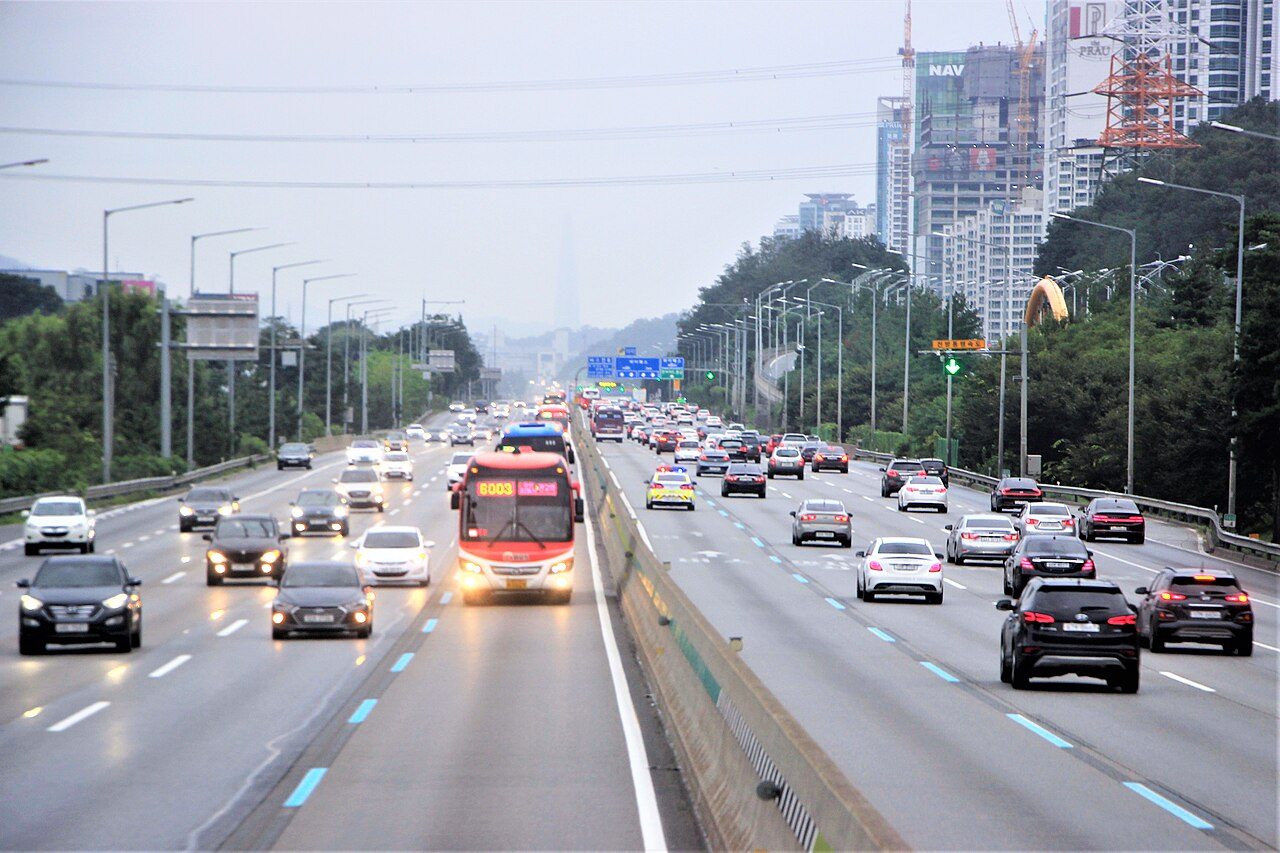
This is a reading of the published safety evidence as of September 29, not a report of 30 crashes during the 2026 holiday. The accompanying Gyeongbu Expressway photograph was taken in September 2020 and illustrates a road setting; it documents neither an ACC incident nor this year's holiday traffic.
 프리즘코리아 편집국 > Mara Stein