World

Leo XIV's UNESCO appeal puts children's judgment ahead of digital efficiency

At UNESCO, the Pope urged digital tools to protect young people's ability to think and form relationships, linking that appeal to dignity beyond productivity.
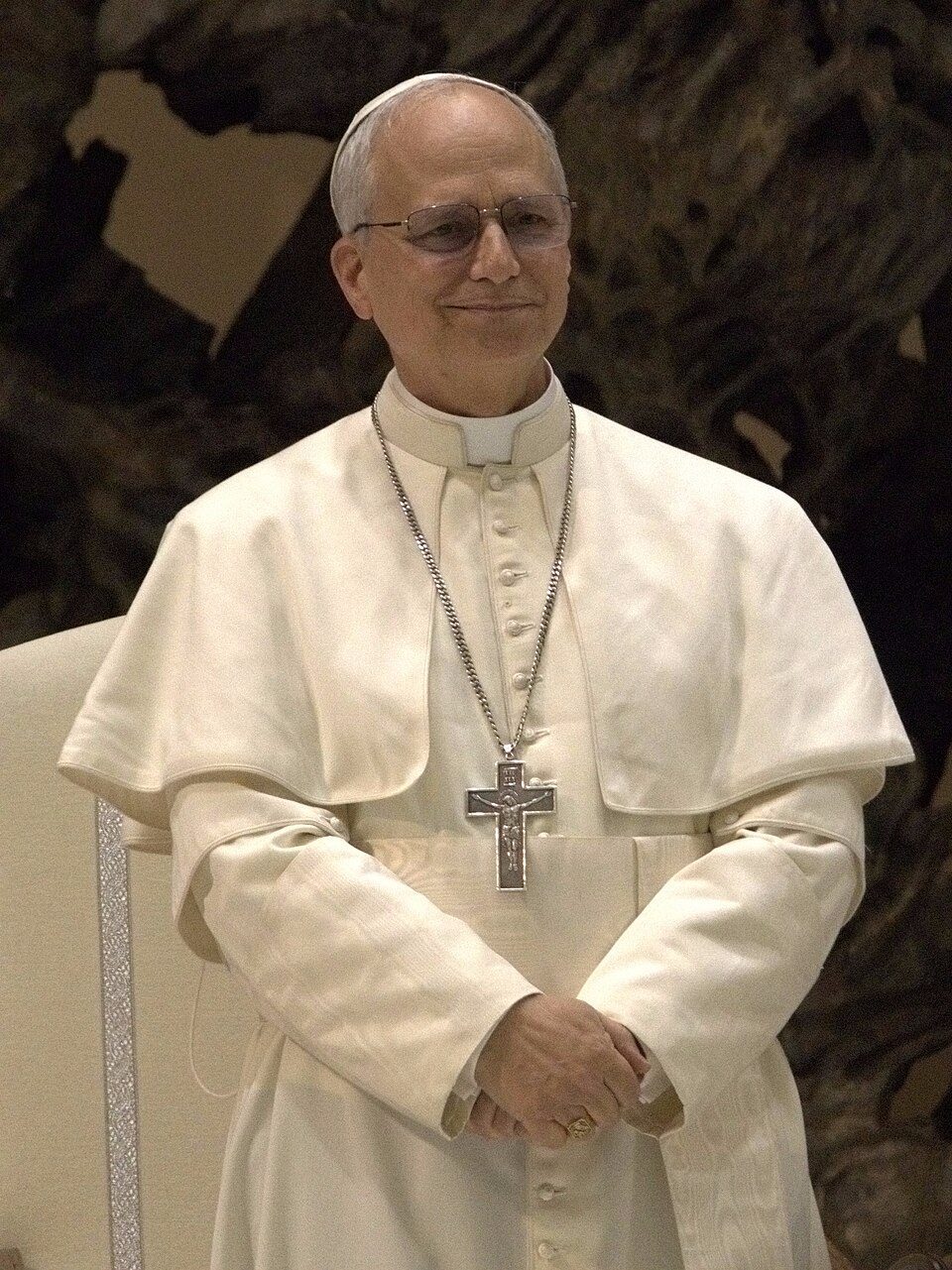
Leo XIV wearing white papal clothing and glasses, with his hands together.
Leo XIV at an audience with the media on May 12, 2025. Archival reference image, not his September 2026 France visit. Edgar Beltrán, The Pillar / Wikimedia Commons, CC BY-SA 4.0. · 참고 이미지 / Reference image · Edgar Beltrán, The Pillar · 출처 / Source · CC-BY-SA · Contributor-declared changes: Original Commons derivative uses3x4crop and chroma noise reduction; prior960px proportional rendition and compression retained. English caption added; no further visual alteration. CC BY-SA4.0 retained.. PRISM automatically re-encoded with JPEG quality 82; 960x1281 to 960x1281 pixels, aspect ratio retained with no upscaling.

Pope Leo XIV used his UNESCO address to argue that children should not pay the price of digital progress through exploitation. In Paris on September 25, he urged technologies to support young people's education and relationships while preserving their ability to think and judge for themselves.

That appeal follows a broader challenge to measuring human worth through productivity. In the same speech, he said dignity does not depend on ability and is not diminished by illness or suffering. The ethical test therefore reaches people whom an efficiency-driven system might overlook.

Leo welcomed UNESCO's Media and Information Literacy programme as a way to promote responsible use of media and digital tools. He presented abundant information and fast communication as insufficient, on their own, to secure truth or wisdom.

Uncertainty

These are religious and ethical proposals to an international education forum. The address does not announce new child-safety legislation or a compulsory school curriculum.

Adrian Cole프리즘코리아 편집국 > Adrian Cole

Original sources

  1. Holy See, Leo XIV UNESCO address ↗
Report an error ↗

Related stories

World · 2026.10.01

After Ekurhuleni, South Africa sets 60- and 90-day tests for stalled cases

President Cyril Ramaphosa’s response to the killings of women in Ekurhuleni gives police, justice officials and municipalities dated tasks. The first public test is whether case audits, forensic-backlog plans and safety inspections produce verifiable results, while investigators still have not established that one perpetrator committed the deaths.

World · 2026.09.28

Ekurhuleni killings: an arrest, a viral accusation and an unlinked death

South African police have reported an arrest in one Tembisa cemetery killing, rejected an unsubstantiated social-media accusation against another man, and found no preliminary link between a later fatal robbery and the Ekurhuleni cases. Dated official statements show why those separate findings cannot yet be treated as one solved investigation.

World · 2026.09.27

Black Sea grain request preceded Wadephul–Lavrov talks; no joint deal announced

Germany’s foreign minister proposed a Black Sea-first ceasefire at the UN on September 23, then raised grain exports with Russia’s Sergey Lavrov on September 26. The meeting revived direct contact, but the available German and Russian accounts do not establish a shared shipping deal or an implemented ceasefire.