Before Shenzhen, Seoul's fear: a 'second Yalta' and a North Korea arms-control deal
Ahead of the 19 November Trump–Xi–Putin summit, South Korean officials, opposition lawmakers and analysts voiced worry that Seoul could be sidelined and that talks could drift toward accepting North Korea's nuclear status.

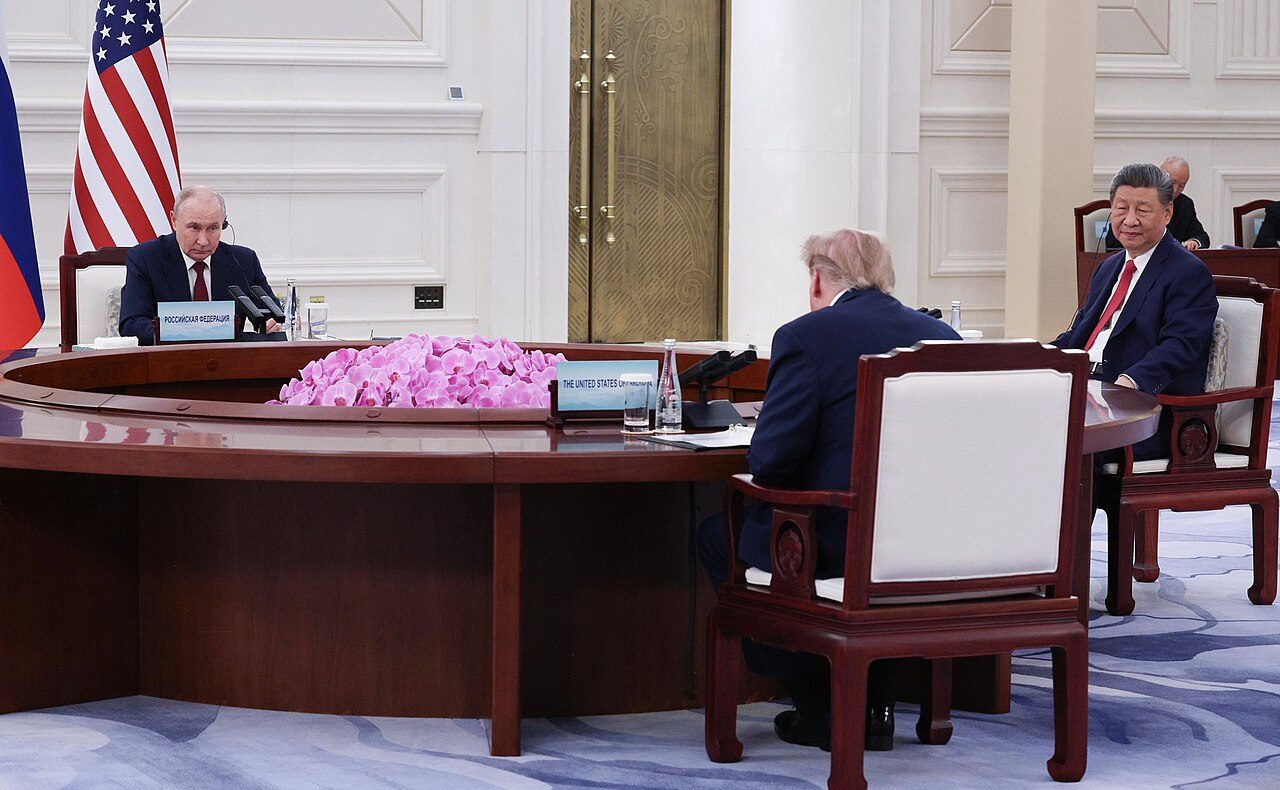
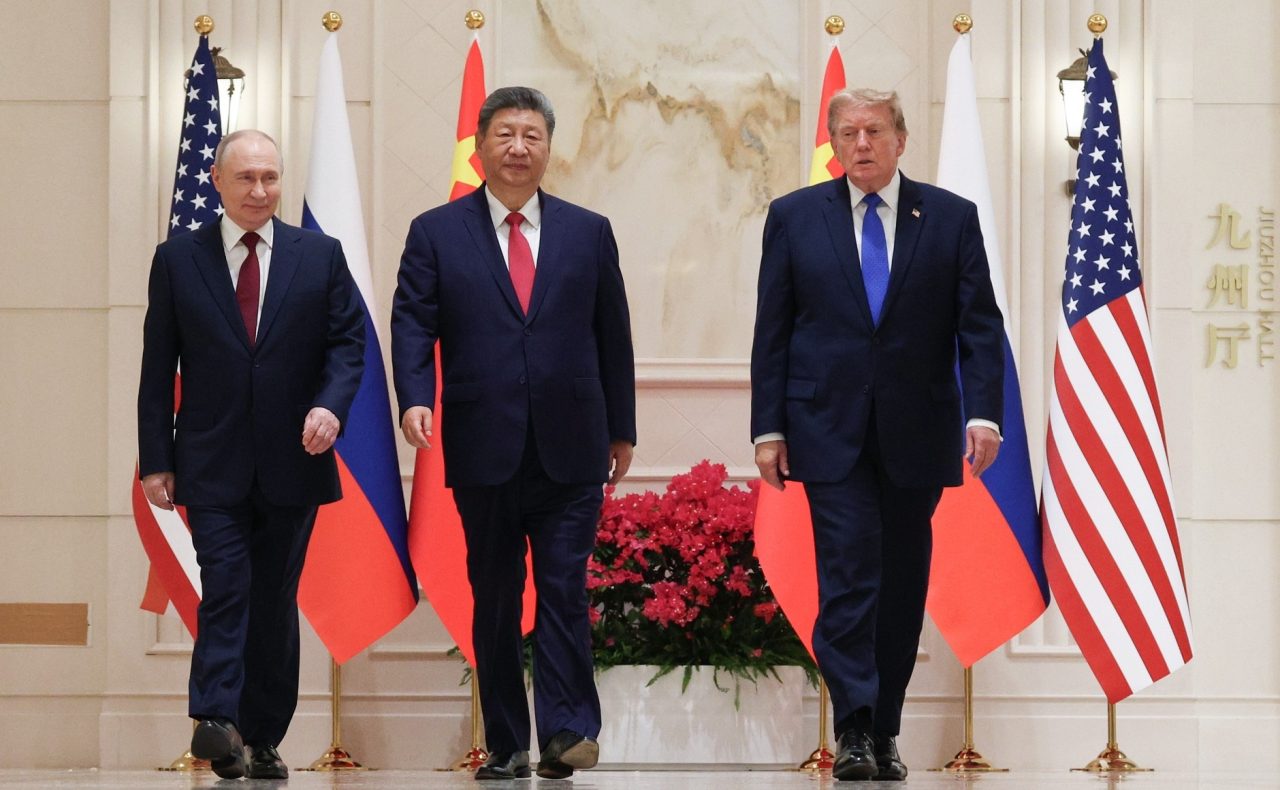
When the presidents of the United States, China and Russia met in Shenzhen on 19 November 2026, on the sidelines of the APEC leaders' meeting, South Korea was not at the table. In the days before, officials in Seoul said openly that they could not rule out the Korean Peninsula coming up. This account draws on pre-summit reporting by The Korea Herald, The Korea Times (partly via Yonhap) and the JoongAng Daily, and does not cover what was decided in Shenzhen.
The official line was cautious. First Vice Foreign Minister Park Yoon-joo told the National Assembly's foreign affairs and unification committee on 12 November that the government is "closely monitoring developments involving the United States, China and Russia" and cannot rule out that Korean Peninsula issues could be discussed, according to Yonhap's report in The Korea Times. Answering a ruling Democratic Party lawmaker, Park also described North Korea as being in a "considerably advantageous strategic position" because of its closer ties with Russia.
The language sharpened as the summit approached. The Korea Herald reported on 16 November that a senior Foreign Ministry official, speaking anonymously to reporters in Beijing on the preceding Saturday, said that if a US–China–Russia summit takes place, "it must not become a second Yalta Conference." The same report said the Unification Ministry was watching high-level exchanges between Pyongyang and its two patrons: Kim Song-nam visited China from 3 to 7 November, and Jo Yong-won, a Workers' Party secretary, arrived in Moscow at the invitation of Dmitry Medvedev. The ministry's spokesperson said the purpose and schedule of the Moscow trip had not been disclosed.
The criticism was also domestic and partisan. The Korea Herald quoted Rep. Na Kyung-won of the main opposition People Power Party, who wrote on social media that "a second Yalta Conference, in which our very survival becomes a bargaining chip among major powers, is becoming a reality." She faulted President Lee Jae Myung's government over alliance trust and urged him to seek a reaffirmation of complete denuclearization from President Donald Trump. That is an opposition politician's framing; the government itself did not describe the situation in those terms.
Signals from Washington were mixed. The Korea Times reported that Trump, speaking to reporters before leaving for Shenzhen, said the three leaders would "talk about denuclearization," called it a "tough subject," and said "we may meet with Kim Jong-un also," adding that a Kim visit was "up to" Xi Jinping. A senior US official said a day earlier that there were "no plans at all for engagement with North Korea." A Seoul presidential office official doubted a Trump–Kim summit would happen, and the foreign ministry called a US–North Korea meeting "generally low" in likelihood but not impossible.
Analysts framed the risk as one of agenda rather than attendance. Park Won-gon of Ewha Womans University told The Korea Times that a deal easing sanctions in return for halting long-range missiles, while short-range missiles stayed, would pose a security challenge for South Korea, and that Seoul's best defence was closer coordination with Washington. Whang Taehee of Yonsei University said on YTN that recognising North Korea's nuclear status would undermine the Nuclear Non-Proliferation Treaty regime. Lim Eul-chul of Kyungnam University saw no sign of preparations for a Trump–Kim meeting, and described Jo's Moscow trip as part of an indirect strategic communication effort to gauge Trump's approach.
The JoongAng Daily's editorial on 16 November, which is the newspaper's opinion rather than reporting, called South Korea being excluded while the North's nuclear status gains tacit acceptance the "greatest concern." It said Foreign Minister Cho Hyun was right to warn Washington and Beijing against discussing peninsula affairs unilaterally, and urged Seoul to secure a firm US commitment that any talks with Pyongyang will not replace denuclearization with a freeze or arms control.
All of these statements predate the meeting. Whether the peninsula was raised in Shenzhen, in what words, and how the South Korean government responded afterward, has not been verified here against official readouts from Seoul, Washington, Beijing or Moscow. Those texts, and any Seoul statement that follows, are what will show whether the fears described above were borne out.
 프리즘코리아 편집국 > 윤도현 · Dohyun Yun