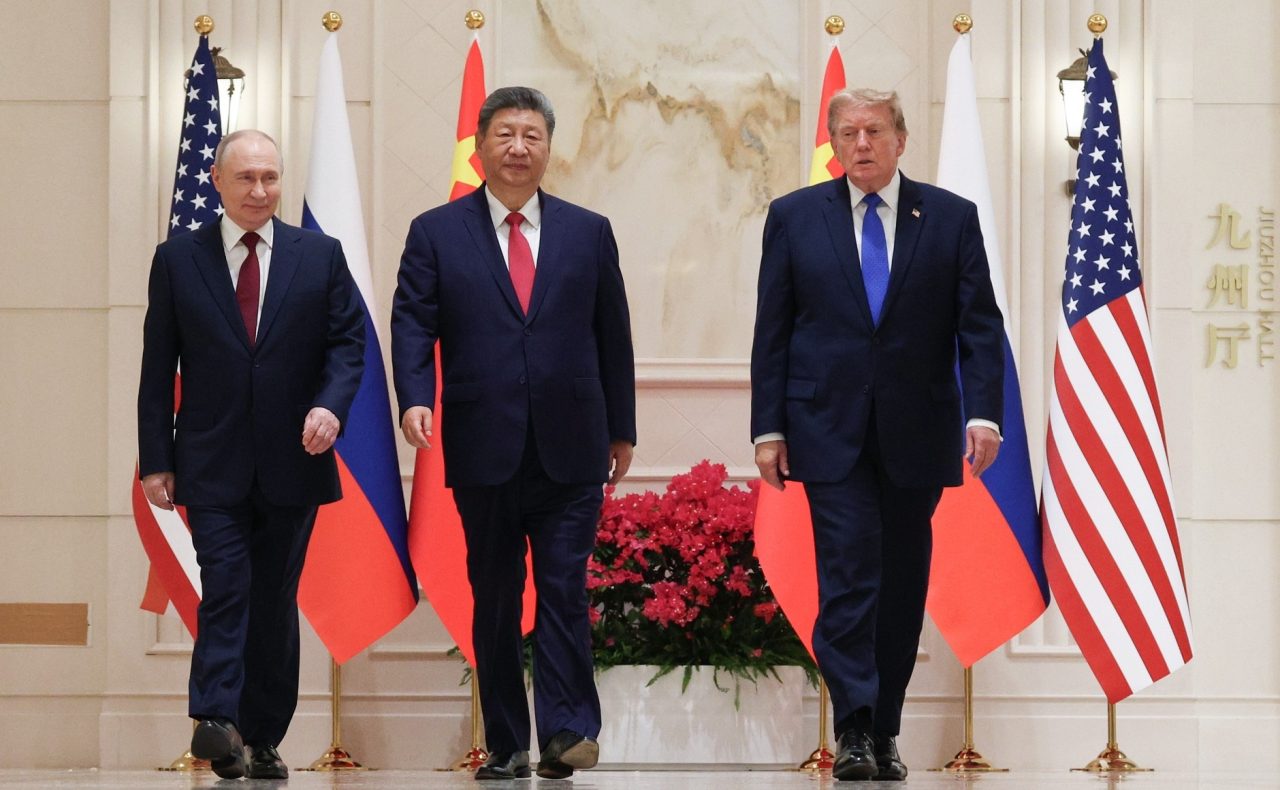
Trump, Xi and Putin hold first three-way summit in Shenzhen
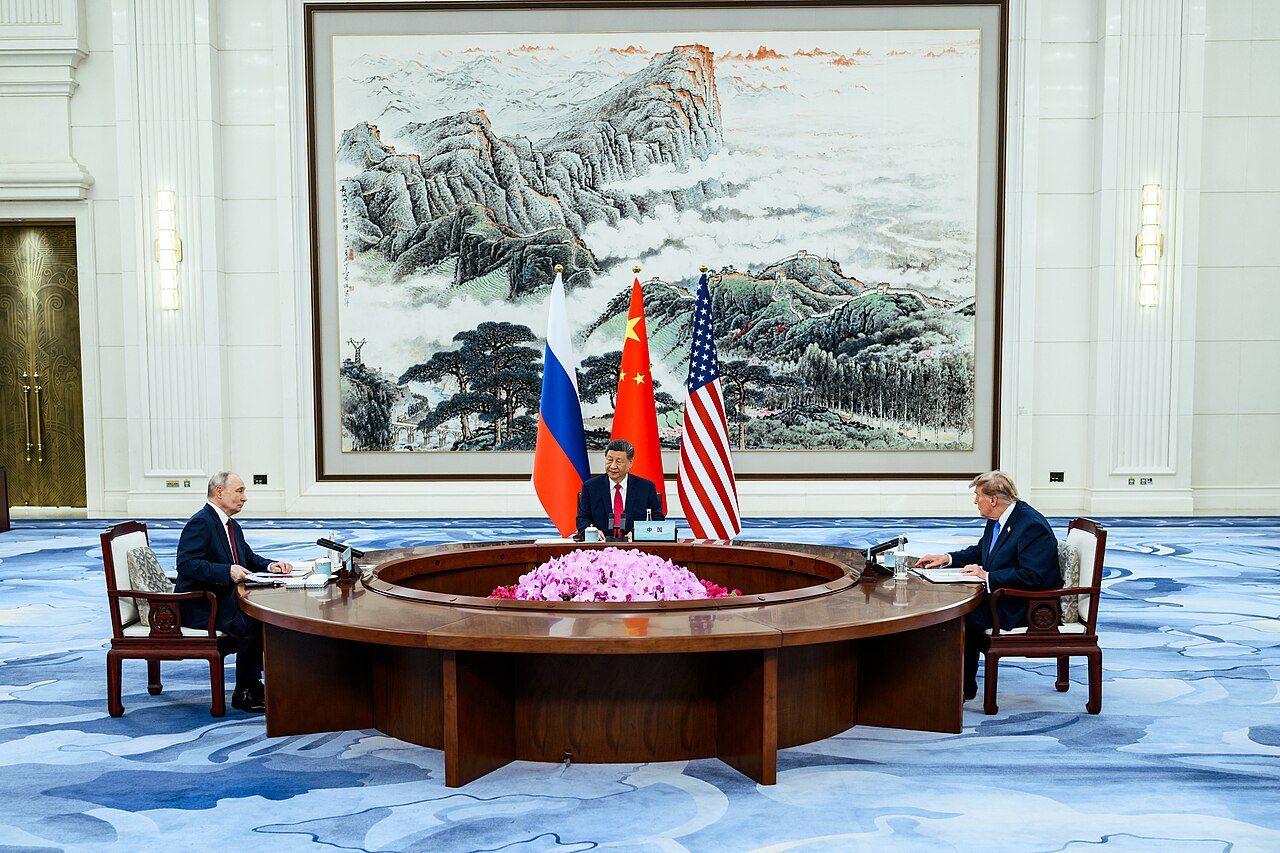
The leaders of the US, China and Russia met in Shenzhen on the sidelines of APEC on 19 November 2026. A Tampa Free Press report on the meeting describes a joint declaration on nuclear risk, fuel supply and the UN.
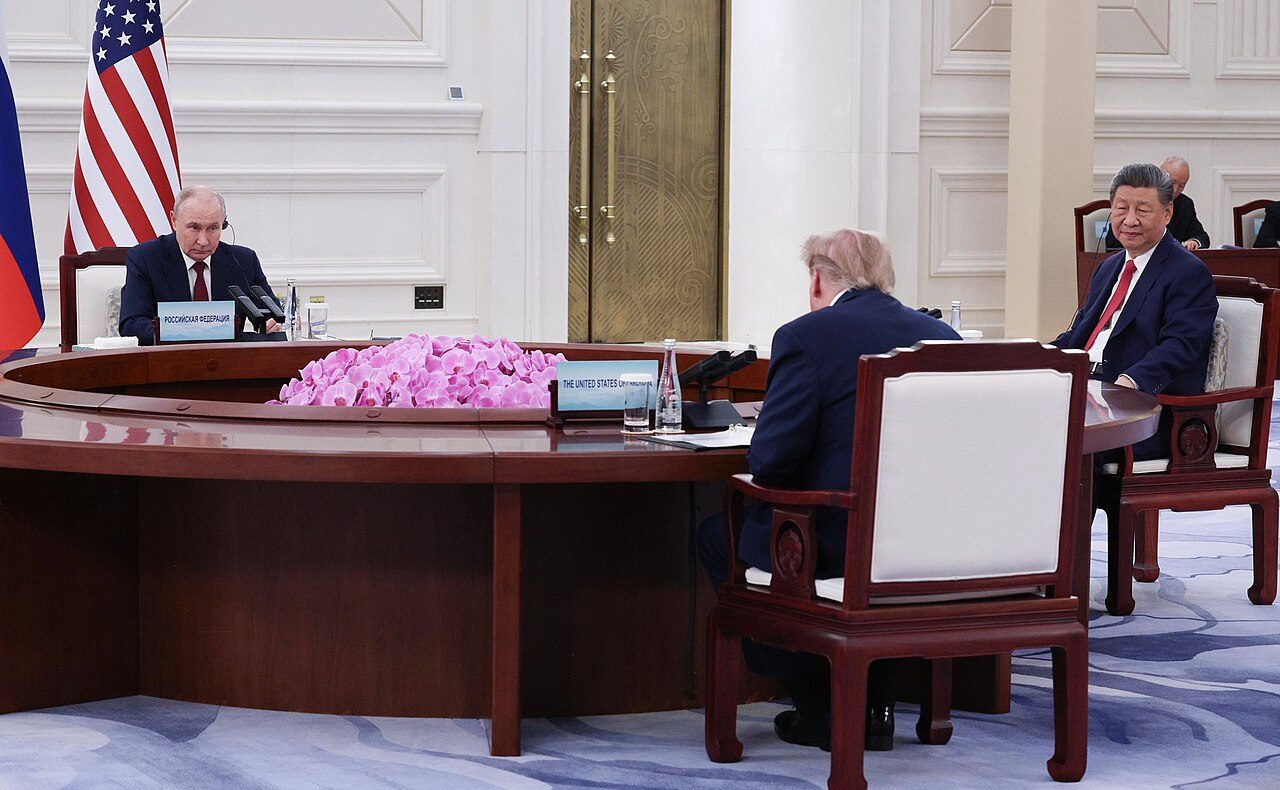
The presidents of the United States, China and Russia met together in Shenzhen on Thursday, 19 November 2026, in what was billed as the first three-way summit among the three leaders. The meeting took place on the sidelines of the 33rd APEC Economic Leaders' Meeting, which China is hosting on 18-19 November.
The format was confirmed in the days before. According to the Associated Press, the White House confirmed the plan on Friday 13 November and the Kremlin on Saturday. A PTI report carried by ThePrint said China's Foreign Ministry announced on 16 November that Xi Jinping would host Vladimir Putin and Donald Trump on 19 November, and that the three sides had spent weeks settling the agenda and protocol.
Before the meeting, the stated agenda centred on nuclear weapons. The New START treaty between the US and Russia expired in February, leaving no binding limits on their strategic arsenals. A White House spokeswoman said Trump would discuss the reduction of nuclear weapons, among other topics. A senior US official told reporters that no agreements were expected and that the aim was to start a conversation.
Beijing's position was more guarded. ThePrint reported that China has shown little enthusiasm for trilateral arms control, pointing to its much smaller arsenal, and has said it does not accept a model of great-power co-governance. The senior US official, quoted by AP, described the meeting as a chance for China to step up to the adult table on nuclear issues.
The Ukraine war was not expected to be a main topic. A senior US official said Washington is pursuing a separate track with Moscow. AP reported that Ukrainian President Volodymyr Zelenskyy was reported to worry that a Ukraine deal could be discussed without Kyiv, and that Kremlin spokesman Dmitry Peskov rejected comparisons with the 1945 Yalta conference, saying any agreements reached in Shenzhen could not be imposed on others.
On the outcome, this account relies on one report that could be read in full. The Tampa Free Press, in a piece by Jack Kaminsky published at 9:12 a.m. ET on 19 November, said the three leaders signed a joint declaration titled "Declaration toward Peace". It quotes the text as saying that "a nuclear war cannot be won and must never be fought", and says the three committed to formal talks on lowering nuclear risks and preventing proliferation. A France 24 live-blog headline that day likewise says the leaders agreed a nuclear war must never be fought; its page could not be opened for this article, so only the headline was seen.
The Tampa Free Press report lists several further points. The three pledged to increase production and delivery of refined petroleum products. They said they would use their permanent Security Council seats to overhaul the United Nations so it can respond better to crises. They also called state consent and officials' legal immunity of paramount importance and said the International Criminal Court and similar tribunals must not abuse their jurisdiction. None of the three countries is a party to the Rome Statute, and the ICC issued an arrest warrant for Putin in 2023.
The same report says the leaders discussed Ukraine in closed session but that the declaration does not mention Kyiv and offers no roadmap to end the fighting.
The details of the declaration have not been checked against the text itself or an official readout from any of the three governments. Whether the commitments on nuclear talks and fuel output lead to concrete follow-up, and how Beijing frames its own participation in nuclear talks, will be the points to watch in the coming days.
 프리즘코리아 편집국 > Adrian Cole