Behind Hegseth's Caracas deal: who controls Venezuela's oil money
Al Jazeera's explainer ties the new US–Venezuela military partnership to US-supervised accounts that have handled more than $12bn of Venezuelan revenue, and to US domestic politics. Terms of the deal remain unpublished.
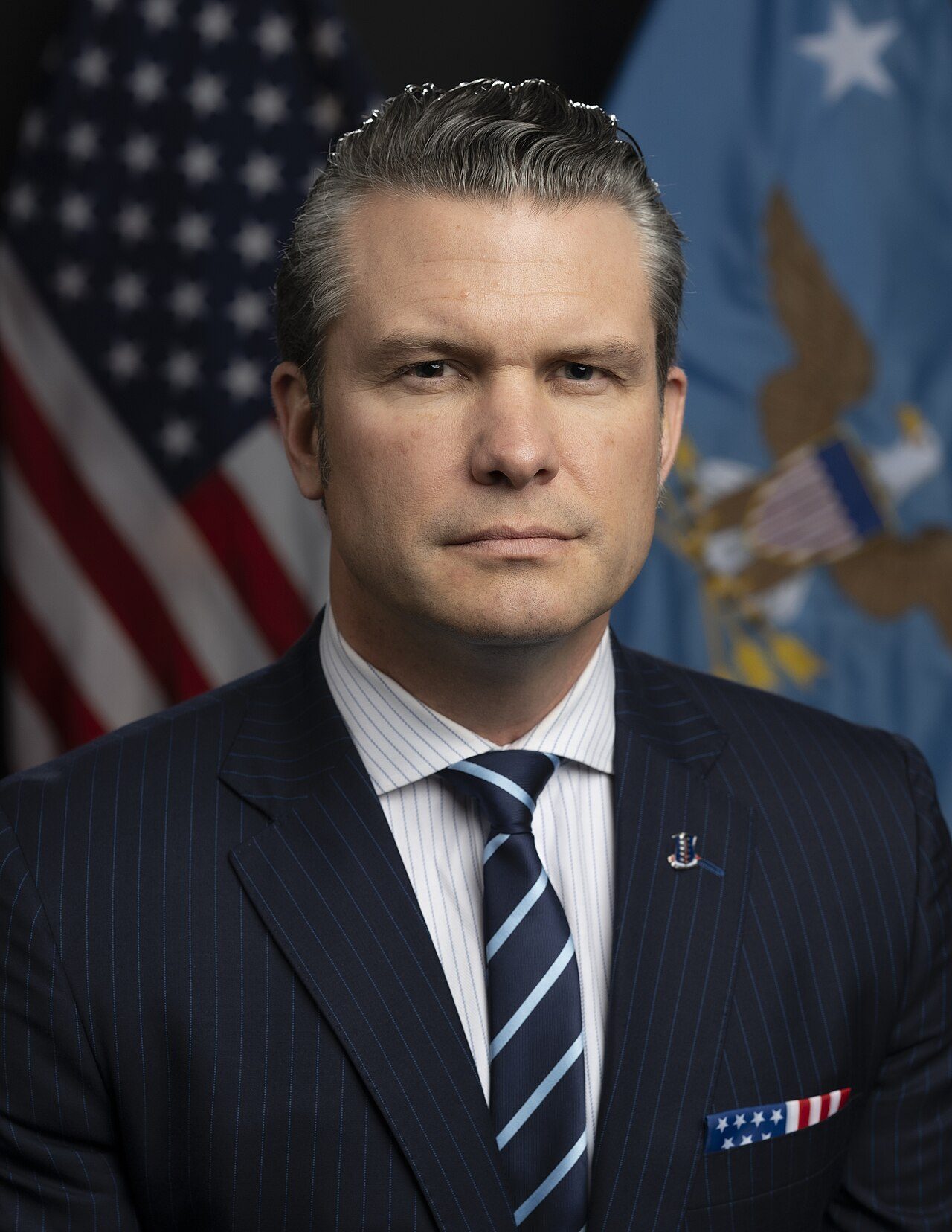
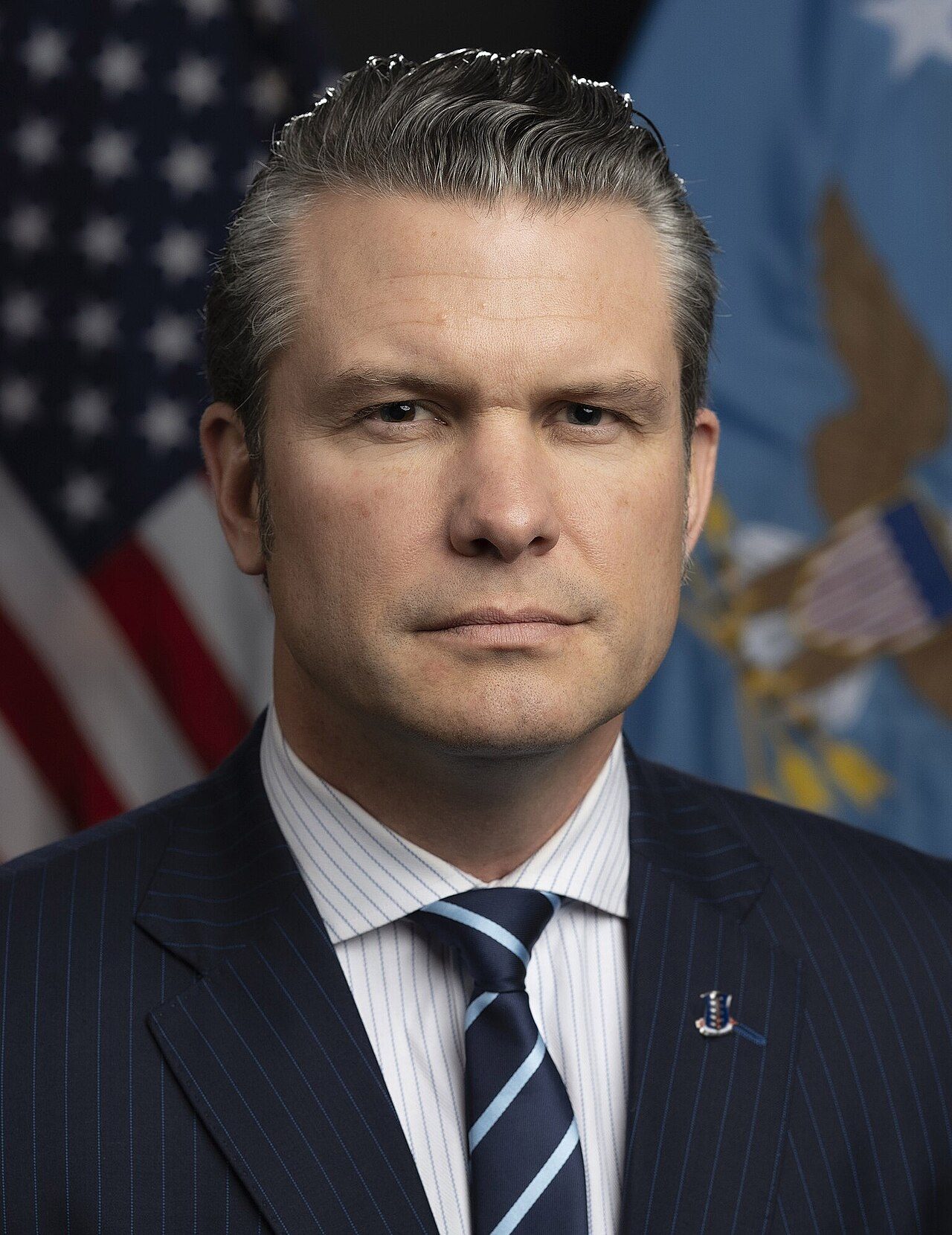
Al Jazeera's explainer on Defense Secretary Pete Hegseth's unannounced 18 November visit to Caracas puts money at the centre of the story. Since Nicolas Maduro was removed in January, it reports, revenue from Venezuelan oil sales has been paid into accounts controlled by the United States, with Washington supervising what is released to Caracas.
The piece cites a State Department report released on 12 November. According to Al Jazeera, more than $12bn from Venezuela's oil and other natural resources passed through those accounts between January and September, and the US government says nearly 99 percent has been disbursed, mostly to individuals and businesses in Venezuela through commercial banks. The article does not break the total down between oil and other resources, and it does not say whether the 99 percent figure applies to the whole amount. The report itself was not reviewed for this article.
Al Jazeera's own reading is that the new agreement leaves Caracas dependent on Washington's approval for releases from those accounts. Phil Gunson of the International Crisis Group, quoted in the explainer, says the US "controls most of Venezuela's foreign earnings" and can cut off funds whenever it wishes. Asked why the Venezuelan government is cooperating, he answers that it wants to remain in power as long as possible, and says it has been told that refusing would bring "the same fate as Maduro, or worse".
The agreement is described as covering joint training, intelligence sharing, military equipment and border security. Venezuela's defence minister, Gustavo Gonzalez Lopez, said cooperation would follow the constitution and respect sovereignty, with Venezuelan forces keeping command of their own operations. Al Jazeera states plainly that the full terms have not been made public, including how any joint operations would be carried out.
The explainer also looks at timing in Washington. Political analyst Carlos Pina links the visit to the 3 November US midterm results and argues Hegseth is presenting Venezuela as one of the administration's few foreign-policy successes. On 10 November the House voted 211-204 against impeaching Hegseth "for now", in a resolution introduced by Republican Thomas Massie whose articles included the January operation in Venezuela. Al Jazeera says Democrats could try again after January.
The analysts also differ on how far this goes. Pina expects the focus to be armed groups and drug networks on the Venezuela–Colombia border, possibly including joint air raids, and says Venezuela's military will resist a much larger US role. Gunson raises a different question: whether Washington will try to reform security forces whose leaders it has accused of drug trafficking and abuses, and he describes the military as not in a position to resist US influence. These are analysts' assessments, not facts about the deal.
What remains unknown is considerable. The agreement's text, duration and command arrangements are unpublished, the $12bn figure rests on a government report relayed by one outlet in the source reviewed, and the claim that financial leverage explains Caracas's cooperation is Al Jazeera's and its sources' interpretation. Readers should weigh it as such until the documents themselves are available.
 프리즘코리아 편집국 > Adrian Cole