PRISM / ISSUESLeo XIV in France: human dignity in the AI debate
Official September 2026 France-visit addresses connect artificial intelligence, education and human dignity. Religious and ethical arguments are attributed to the Pope, not presented as technical performance findings.
 ↗
World · 2026.09.27
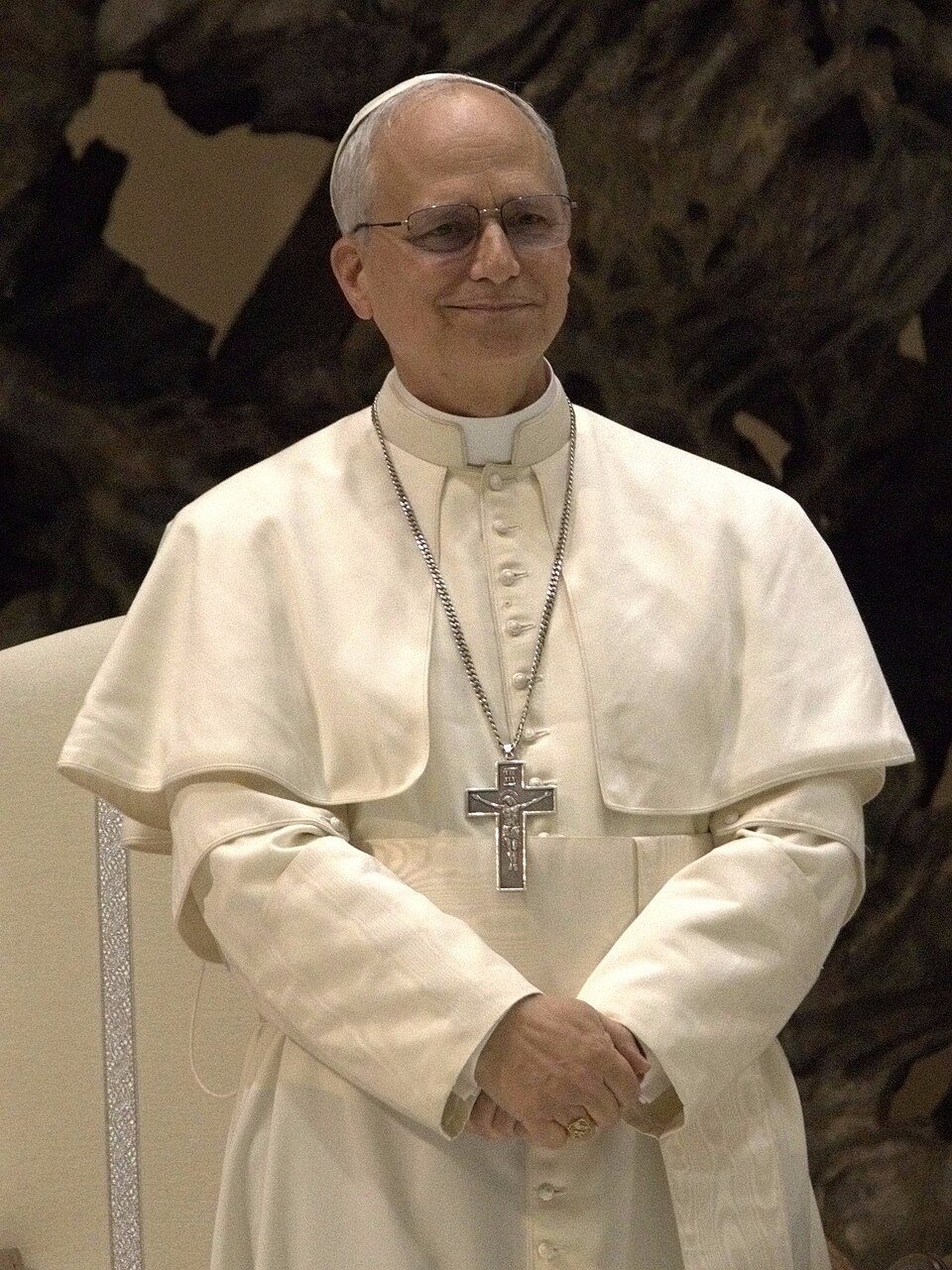
At UNESCO, the Pope urged digital tools to protect young people's ability to think and form relationships, linking that appeal to dignity beyond productivity.
↗
World · 2026.09.27
The Pope's September 24 science address pairs possible gains in medicine and food systems with warnings about autonomous weapons and unchecked technological power.
↗
World · 2026.09.27
The encyclical cited during the Pope's France visit calls for source checking, transparent content decisions and serious journalism. It also says the Church must confront uncomfortable facts without waiting to be compelled by outsiders.
 ↗
World · 2026.09.26
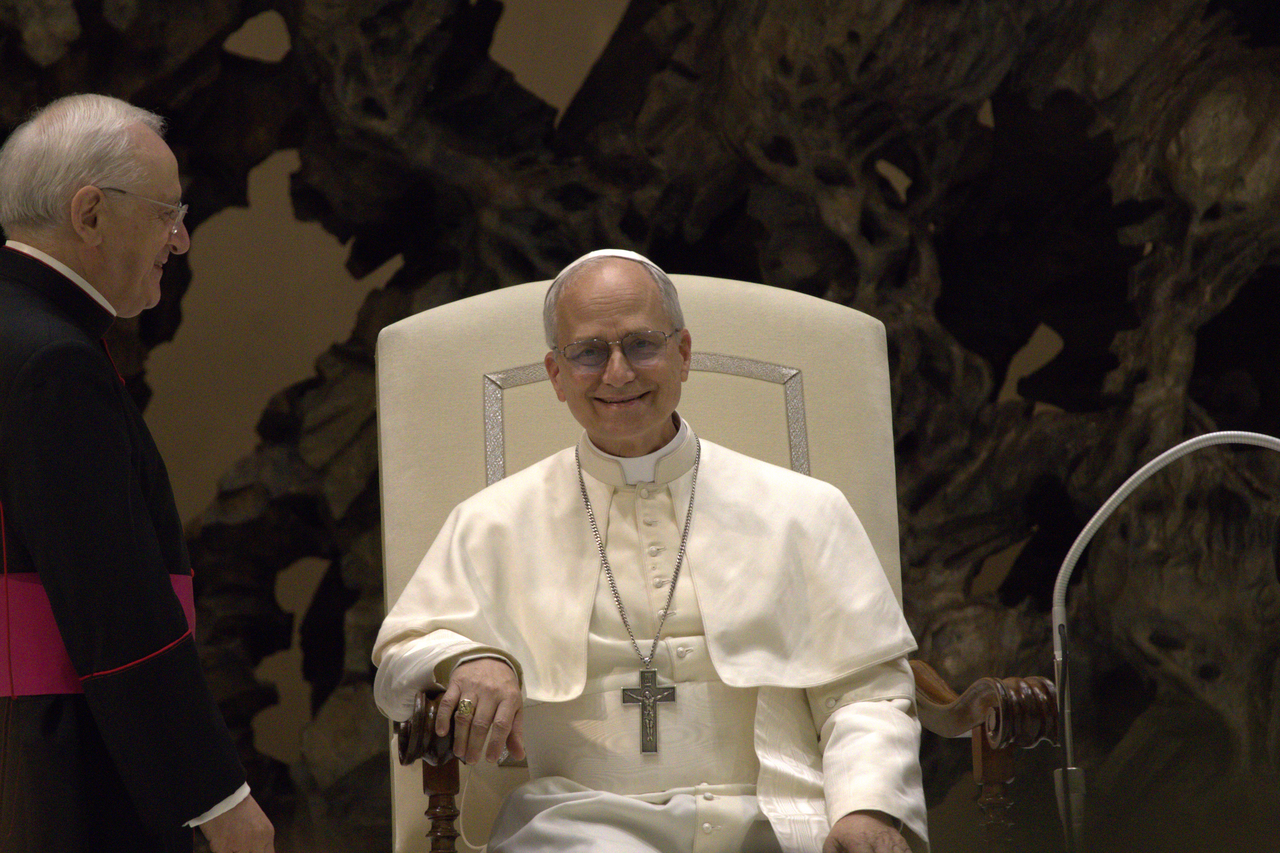
The Pope's Paris address connects technology with human dignity and moral judgment.
