World

Canada's UNGA ocean pledge schedules sensor expansion from 2027-28

Canada's C$82 million ocean-observation pledge has a five-year timetable starting in 2027-28, with Arctic sensors and Argo floats among its intended uses.
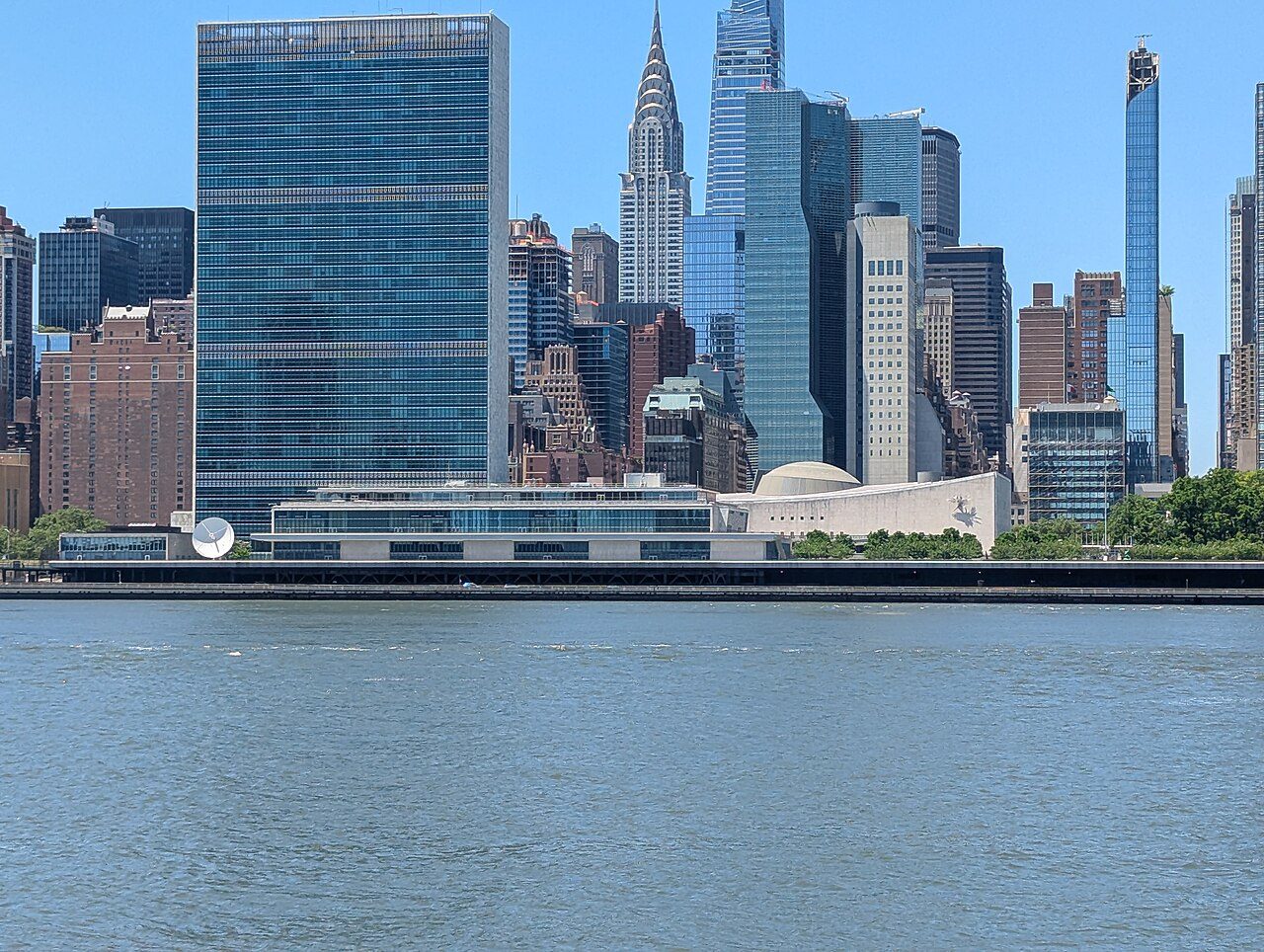
UN headquarters and Manhattan buildings seen across the East River
United Nations headquarters across the East River, New York, on 16 May 2026. A location reference, not a photograph of the September summit events. Bugsepoch / Wikimedia Commons, CC BY-SA 4.0. · 참고 이미지 / Reference image · Bugsepoch · 출처 / Source · CC-BY-SA · Contributor-declared changes: 1280px rendition and server compression; same license retained.. PRISM automatically re-encoded with JPEG quality 82; 1280x964 to 1280x964 pixels, aspect ratio retained with no upscaling.

Canada's ocean-monitoring pledge at UNGA has a later start date than the summit headlines might suggest. A September 23 government backgrounder assigns C$82 million over five years, beginning in 2027-28, to the Global Ocean Observing System.

The plan includes doubling Canada's annual deployment of Argo sensor floats, monitoring currents in the North Atlantic and Davis Strait, and using autonomous underwater vehicles for year-round Arctic observations. Moored Arctic buoys would supply real-time data, alongside Antarctic research and broader data-sharing.

Interpretation

For readers following Canadian science spending, these are specific intended future uses of a funding pledge. They do not establish that equipment has already been deployed or that the entire sum was spent during the New York meetings.

Interpretation

The same document lists separate funding for the High Seas Treaty. Keeping that legal-governance programme apart from ocean measurements avoids treating two distinct commitments as one research budget.

Adrian Cole프리즘코리아 편집국 > Adrian Cole

Original sources

  1. Prime Minister of Canada, UNGA funding backgrounder ↗
Report an error ↗

Related stories

World · 2026.10.01

After Ekurhuleni, South Africa sets 60- and 90-day tests for stalled cases

President Cyril Ramaphosa’s response to the killings of women in Ekurhuleni gives police, justice officials and municipalities dated tasks. The first public test is whether case audits, forensic-backlog plans and safety inspections produce verifiable results, while investigators still have not established that one perpetrator committed the deaths.

World · 2026.09.28

Ekurhuleni killings: an arrest, a viral accusation and an unlinked death

South African police have reported an arrest in one Tembisa cemetery killing, rejected an unsubstantiated social-media accusation against another man, and found no preliminary link between a later fatal robbery and the Ekurhuleni cases. Dated official statements show why those separate findings cannot yet be treated as one solved investigation.

World · 2026.09.27

Black Sea grain request preceded Wadephul–Lavrov talks; no joint deal announced

Germany’s foreign minister proposed a Black Sea-first ceasefire at the UN on September 23, then raised grain exports with Russia’s Sergey Lavrov on September 26. The meeting revived direct contact, but the available German and Russian accounts do not establish a shared shipping deal or an implemented ceasefire.