PRISM / ISSUESFlorida Keys coral shading field trial
The 2024 Newfound Harbor field trial of shade structures over two coral species and its 2026 published findings on color change, symbionts and practical limits.
 ↗
Environment · 2026.10.03
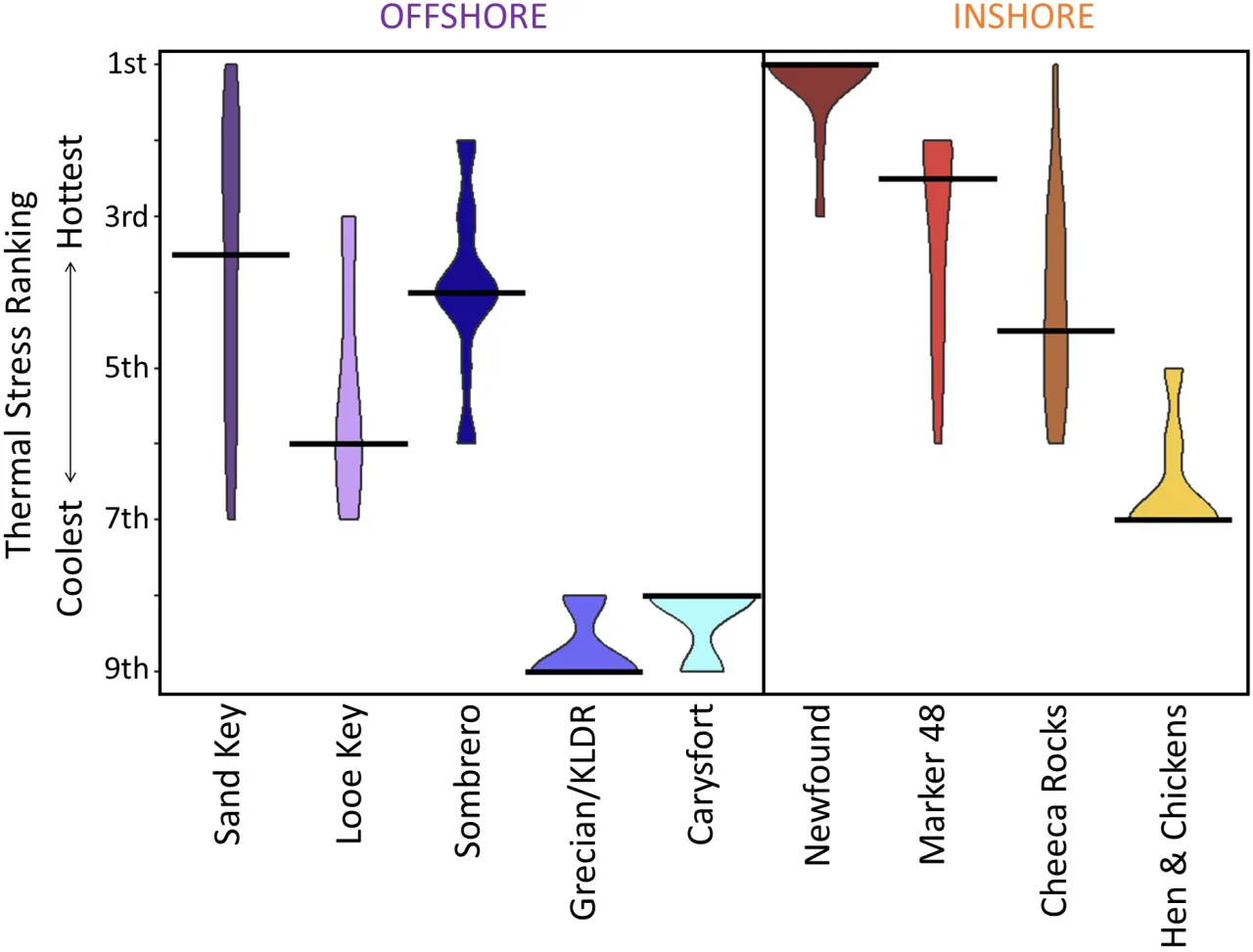
Newfound Harbor lost 43.1% of monitored brain and boulder coral colonies during the 2023 Florida Keys heatwave, while seven of nine study reefs saw little recorded mortality. Researchers chose the damaged site and two vulnerable species for a 2024 shade trial. That history explains the experiment's focus, but the years and coral groups differ: darker shaded colonies in 2024 do not establish that the devices prevented deaths on the scale seen in 2023.
 ↗
Environment · 2026.10.03
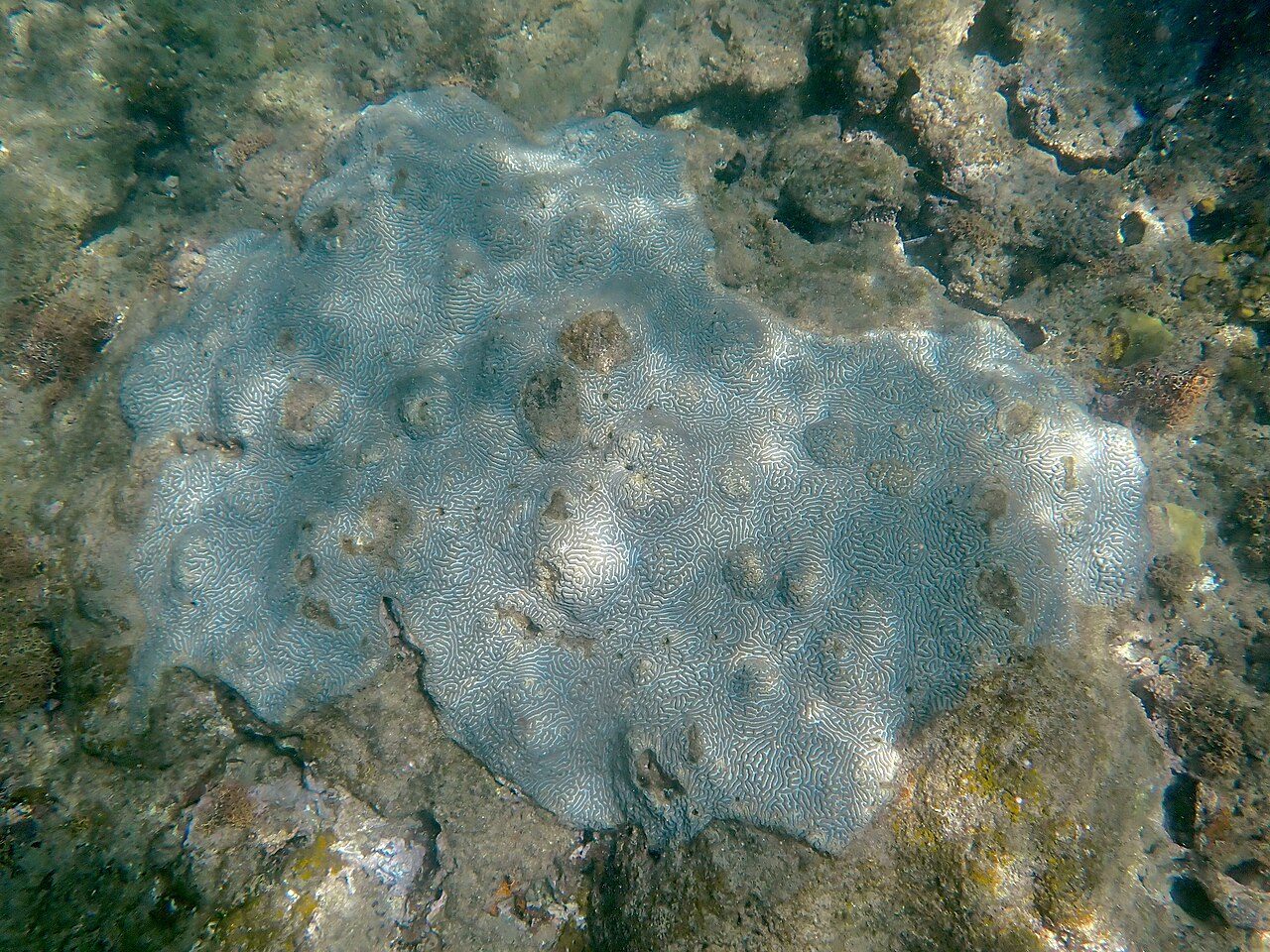
A Florida Keys field trial found that temporary shades helped two brain-coral species retain or regain darker color during 2024 heat stress. Yet tissue samples did not show a consistent shade-related increase in algal symbionts. Sampling at naturally shaded colony edges and the dominance of heat-tolerant Durusdinium limit what the color result alone can establish.
 ↗
Environment · 2026.10.02
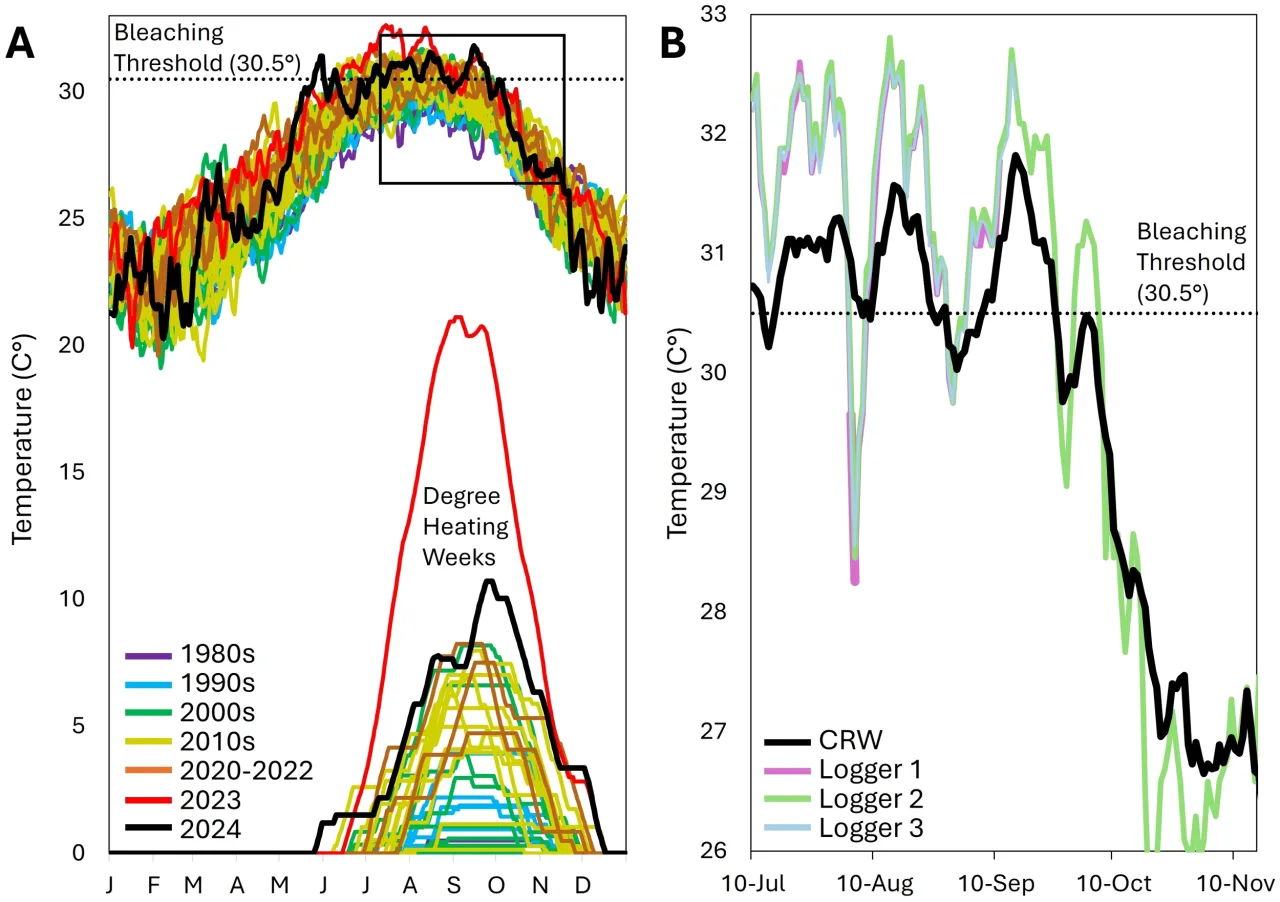
A 2024 Florida Keys coral shading trial exposed a gap between satellite and reef-level heat records: NOAA’s series counted 61 days above the study threshold, while a surviving local logger counted 76. Permitting delayed shade installation until heat stress was already high, and storms forced two temporary removals. The study found a color benefit for shaded colonies, but it did not establish a survival benefit or show that the monitoring gap applies to other reefs.
