
World Court begins Rohingya ruling: findings of mass killing, genocide verdict still unseen
As the ICJ read its judgment in The Gambia v. Myanmar on 19 November 2026, early reporting said the court found Myanmar's forces killed thousands of Rohingya civilians; the ruling on genocide itself was not yet reported.
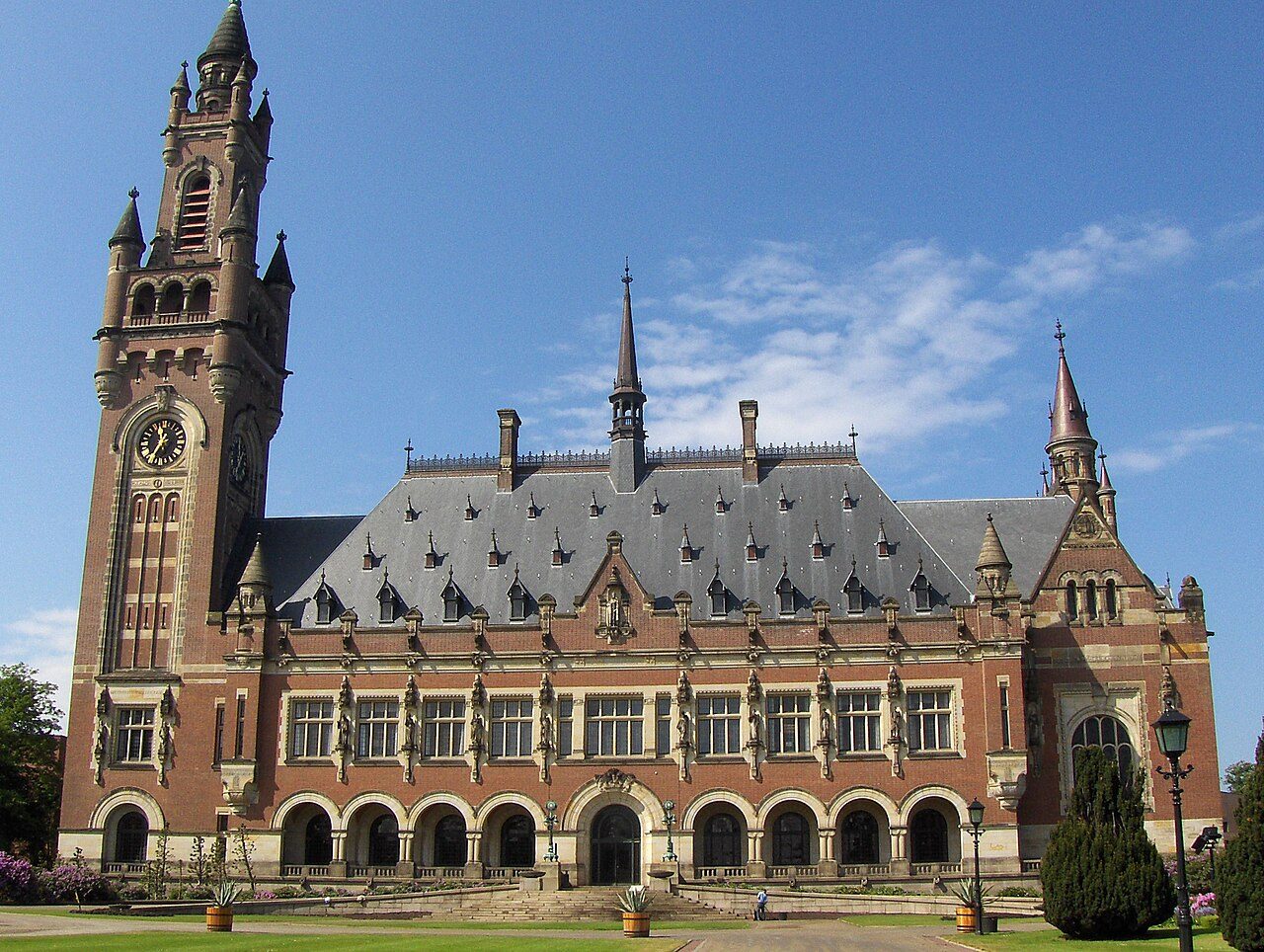
The International Court of Justice began reading its merits judgment in The Gambia v. Myanmar at The Hague on 19 November 2026. This report was written while the reading was still under way. The sources reviewed did not include the court's conclusion on whether Myanmar committed genocide, so the article does not predict it; readers should check the court's own announcement for the operative findings.
Reuters reported from the courtroom that the court found Myanmar's security forces killed thousands of Rohingya civilians. According to the same report, the court also pointed to widespread sexual violence, extreme violence against children, and attacks on Rohingya fleeing in large numbers to Bangladesh. Court president Yuji Iwasawa presided, and Myanmar's Union Minister for the President's Office, Ko Ko Hlaing, attended. Reuters said Rohingya refugees watched the announcement on a large screen at a camp in Cox's Bazar, Bangladesh.
Those findings of fact are not the same as a legal finding of genocide. The case turns on whether acts were committed with intent to destroy a protected group, in whole or in part. Human Rights Watch says Gambia alleges both genocidal acts and genocidal intent and argues that sexual violence was part of the campaign. Myanmar says its operations were counterterrorism responses to the Arakan Rohingya Salvation Army, denies genocidal intent, and disputes the evidentiary weight of UN fact-finding reports.
The case is about the responsibility of a state, not of individuals. Gambia filed it in November 2019 with the backing of the Organization of Islamic Cooperation. Human Rights Watch says Gambia asks the court to find Myanmar responsible for genocide and related breaches of the Genocide Convention, and to order it to stop violations, prosecute suspects, provide reparations and give guarantees against repetition. The court ordered provisional measures in January 2020, rejected Myanmar's preliminary objections in July 2022, and held merits hearings in January 2026. Eleven countries were permitted to intervene on limited questions of treaty interpretation.
The background is the violence that began in August 2017, when Myanmar's security forces carried out massacres, rape and arson in northern Rakhine State, according to Human Rights Watch. More than 700,000 people fled to Bangladesh. Since then the situation has worsened: Human Rights Watch points to the 2021 military coup and to fighting in Rakhine since late 2023.
What a ruling can change is limited. ICJ judgments are binding and final, but if a party does not comply, the other side can ask the UN Security Council to act, a power Human Rights Watch says the Council has never used. The UN General Assembly can add pressure through resolutions. Separately, the International Criminal Court's prosecutor requested an arrest warrant for Myanmar's military leader Min Aung Hlaing in November 2024 and, according to Human Rights Watch, no public decision has been issued; an Argentine court issued warrants in February 2025. The ICJ also has other genocide cases pending, including Ukraine v. Russia and South Africa v. Israel, so the court's reasoning on intent will be watched well beyond this dispute.
What remains open is the central question: whether the court concluded that Myanmar committed genocide, and what remedies it ordered. Until the full judgment is published, the verified record is the court's findings on killings and sexual violence, not a ruling on genocide.
 프리즘코리아 편집국 > Adrian Cole




