
ICJ finds Myanmar committed genocide against Rohingya in 9-6 ruling; six judges dissent on intent
The International Court of Justice ruled 9-6 on 19 November 2026 that Myanmar committed genocide against the Rohingya, ordering restitution and compensation. A joint dissent argued the evidence did not support the required inference of intent.
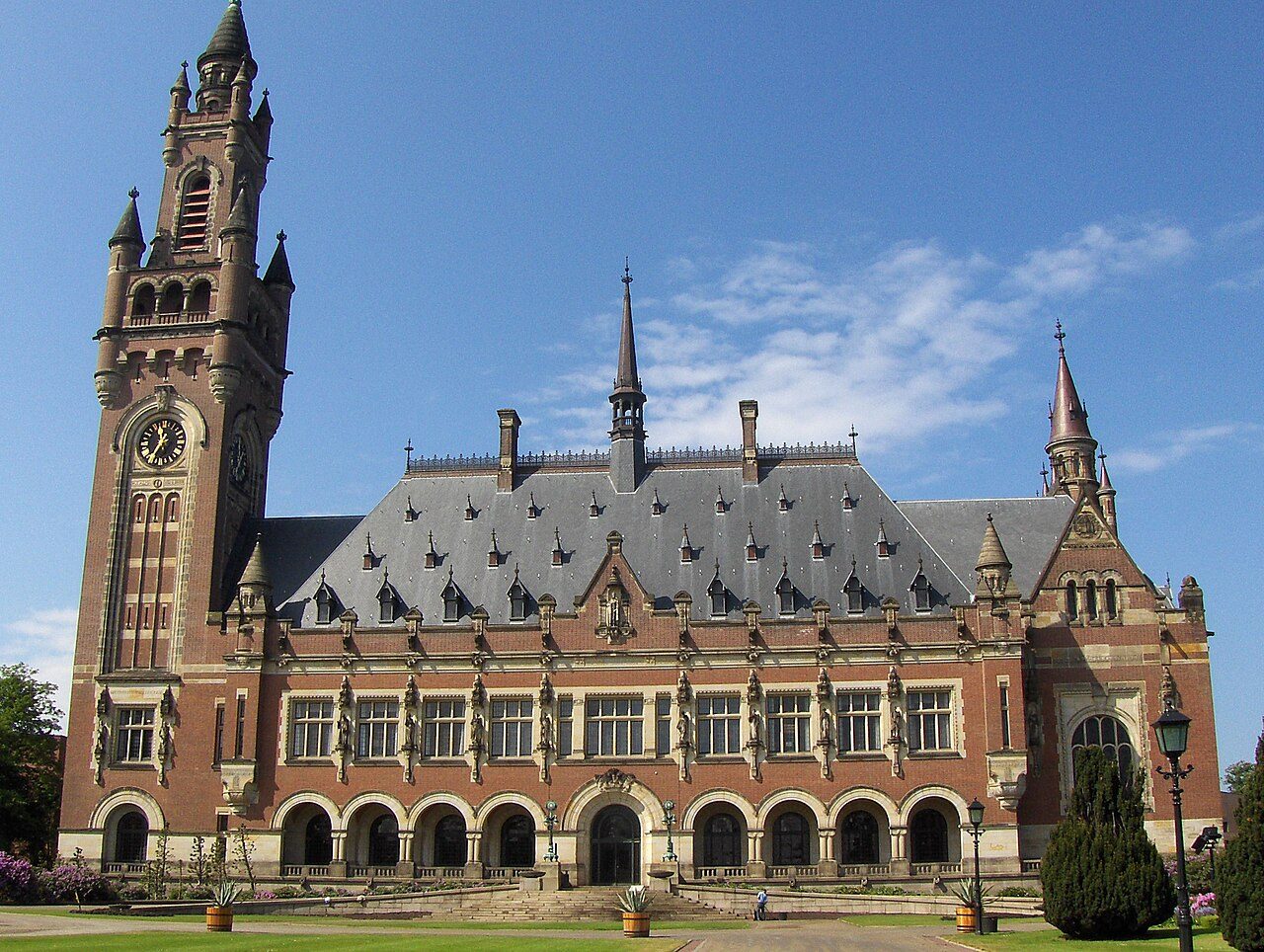
The International Court of Justice ruled on Thursday, 19 November 2026, that Myanmar committed genocide against the Rohingya group in northern Rakhine state, by nine votes to six. President Yuji Iwasawa read the judgment in The Hague in the case brought by The Gambia in 2019 under the 1948 Genocide Convention. Al Jazeera described it as the first time a state has been found responsible for genocide at the ICJ.
The court said Myanmar's security forces killed thousands of Rohingya civilians, with Iwasawa citing evidence of about 10,000 killed. It also found widespread sexual violence and attacks on people fleeing. More than 730,000 Rohingya fled to Bangladesh. Myanmar has maintained that its crackdown answered attacks on police posts by the Arakan Rohingya Salvation Army.
The legal core of the ruling is intent. According to reporting by Al Jazeera, the court held that the only reasonable inference from the pattern of atrocities was an intent to destroy a substantial part of the Rohingya. It also found that Myanmar breached its duty to prevent genocide. Commentary on the EJIL: Talk! blog says the court kept its demanding standard of "fully convincing evidence" and used the "only reasonable inference" test for circumstantial proof.
The six dissenters were Vice-President Sebutinde, Judges Tomka, Abraham, Xue and Nolte, and Judge ad hoc Kress, according to the same commentary. Their joint dissent argues that even if the UN fact-finding evidence is fully accepted, it does not establish the required inference of genocidal intent, and that the majority read "destruction" more flexibly and treated evidence more loosely. The judgment carries 11 separate opinions, so the reasoning is contested even among judges who voted the same way.
The author of that commentary argues that the factors the court weighed blur the line between genocide and ethnic cleansing or crimes against humanity. That is one analyst's reading, and fuller legal analysis of the full text is still to come.
On remedies, the court ordered Myanmar to institute a programme of restitution and compensation, according to the commentary, and to report to the court on what it has done within two years. Al Jazeera's account of the restitution lists safe and voluntary return of Rohingya, return or replacement of damaged collective property, a search for the disappeared with proper burials, physical and psychological rehabilitation, and protection from persecution.
Enforcement is the open question. Human rights lawyer Toby Cadman told Al Jazeera that enforcement could depend on whether the matter goes to the UN Security Council and whether sanctions follow. Amnesty International said it hoped the ruling would mark the beginning of a long overdue process of accountability. Whether Myanmar's authorities will comply was not established in the reports reviewed.
 프리즘코리아 편집국 > Adrian Cole




