Uchibo replacement buses await vehicles as JR names no start date
JR East said on September 29 that it was still trying to secure buses for the suspended Anegasaki–Kisarazu section. Its rail notice gives no substitute-bus start date, timetable or capacity; extra highway buses listed by another operator serve different routes.
On the morning of September 29 in Japan, the missing link in the Uchibo Line recovery was still the replacement bus between Anegasaki and Kisarazu. JR East’s line notice, updated at 10:48 a.m., said it was continuing to coordinate with relevant organisations to secure vehicles. It gave no start date, timetable, stop list or confirmed capacity for that rail substitute. For anyone planning a trip across the closed section, a proposed service is not yet a bus they can board.
JR East attributes the all-day suspension in both directions between Anegasaki and Kisarazu to Typhoon 25. Its current estimate is that reopening will take at least around three months, with the timing subject to change. That is a rail repair outlook, not a promised date for bus replacement. The distinction matters because the railway could arrange interim transport before the line reopens, but the company has not announced when it will be able to do so.
The vehicle shortage has become an operational issue in its own right. JR East says autumn leisure travel and large events are raising demand for charter buses, making vehicles very difficult to secure. The notice says it will keep arranging them and announce an implementation date once decided. It does not quantify the number of buses sought or identify an operator, and it does not establish that vehicles have already been contracted for this particular route.
Other services in Chiba do not fill this gap automatically. JR East reports partial train operation north of Anegasaki and south of Kisarazu, but those trains do not bridge the suspended Anegasaki–Kisarazu section. JR’s regional notice also lists replacement buses on several other typhoon-affected lines. The existence of a substitute on another line says nothing about availability on the Uchibo segment, where the company’s own notice still describes vehicle procurement as ongoing.
Kominato Railway’s bus bulletin, updated at 9 a.m. on September 29, lists additional vehicles on selected Sodegaura Station–Tokyo Yaesu highway-bus departures. It also lists cancellations and diversions on ordinary local routes, including a shortened service from Anegasaki Station towards Ryokuen Toshi. These are operator services with their own routes and conditions. The bulletin does not describe the extra Tokyo-bound buses as JR’s rail replacement between Anegasaki and Kisarazu.
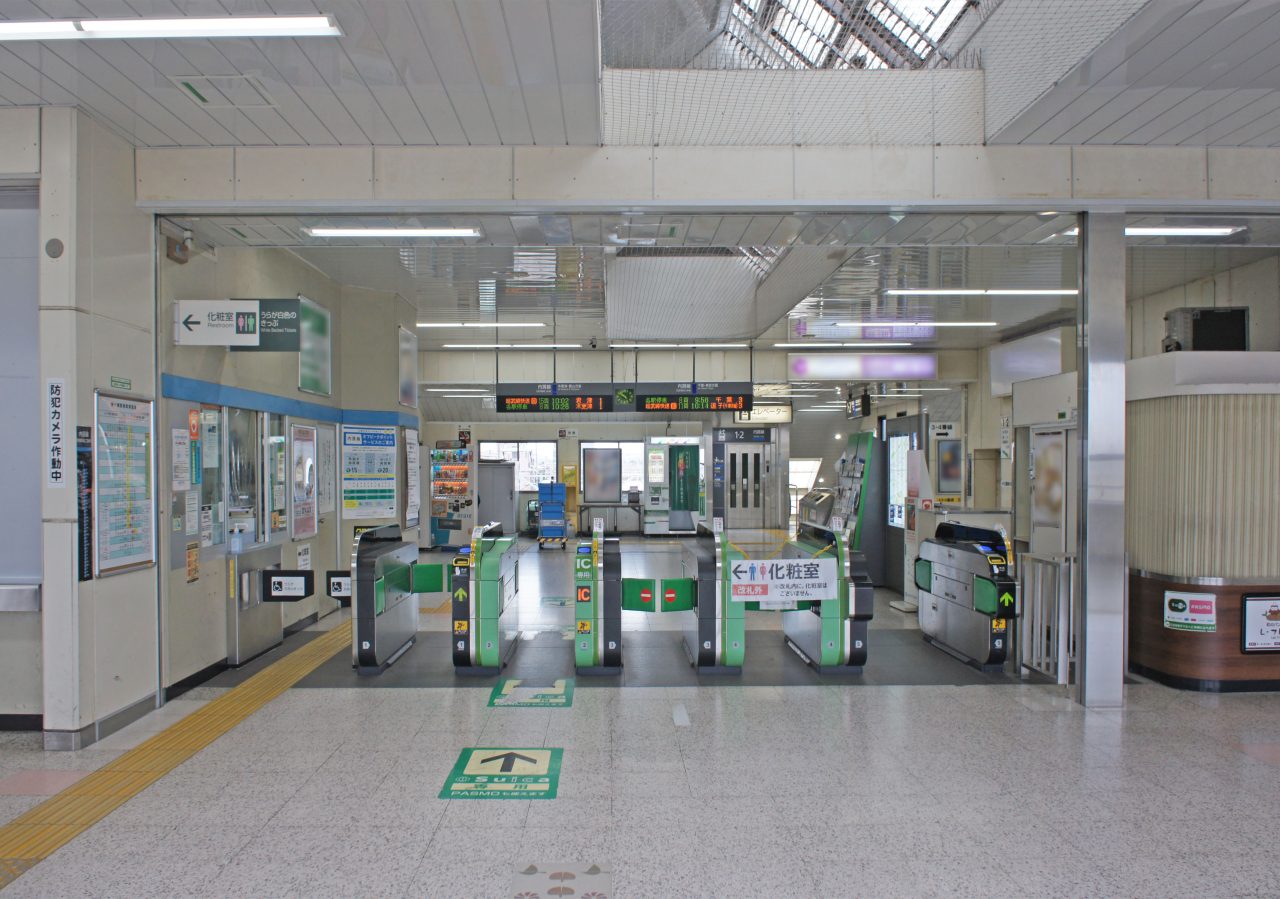
The practical test for a traveller is therefore specific: look for a JR East announcement giving an operating date and route for the Anegasaki–Kisarazu substitute, then check the current notice again before travelling. This report confirms the status of published notices, not a live seat, an individual connection or the condition of a station. Its archival image shows Anegasaki Station’s ticket gates in 2022 and provides location context only.
 프리즘코리아 편집국 > Camila Ríos