Uchibo Line’s temporary timetable covers one section, not a restored through route
JR East’s Chiba–Anegasaki timetable takes effect from September 25, while the onward section to Kisarazu remains suspended in its latest checked notice. The document’s boundaries and the operator’s overnight information pause matter when interpreting travel options.
A temporary timetable on JR East’s website does not mean the Uchibo Line has reopened throughout its length after Typhoon 25. The published sheet covers Chiba to Anegasaki and the return direction. In the operator’s line notice checked with a displayed timestamp of 1:47 a.m. Japan time on September 28, the next section, Anegasaki to Kisarazu, remained suspended in both directions for the whole day. For English-reading travellers, the station names defining each notice are essential to understanding what it actually offers.
The timetable carries two different dates with different purposes. Its footer identifies the information as current on September 24, 2026, while the heading says it applies from Friday, September 25 until further notice. It lists outward and return services separately. Its scope ends at Anegasaki; it does not list a continuation to Kisarazu or provide a replacement-bus connection. A departure in this sheet therefore cannot, by itself, establish an end-to-end journey beyond the operating section.
There is a further qualification inside the timetable: JR East warns that power-equipment conditions may cause train delays. A scheduled arrival should consequently be treated as the published plan, not a guarantee of an onward connection. This reading concerns the document’s limits; it does not supply an alternative route that has not been checked.
The live-status service has its own limits. JR East’s homepage, displaying 2:06 a.m. on September 28 when checked, said operational information is not distributed between 2 a.m. and 4 a.m. An empty overnight status area should not be interpreted as evidence that the suspended section has reopened. The line page also warns that its information can differ from actual operating conditions. A page’s display time, a timetable’s effective date and a restoration announcement answer different questions.
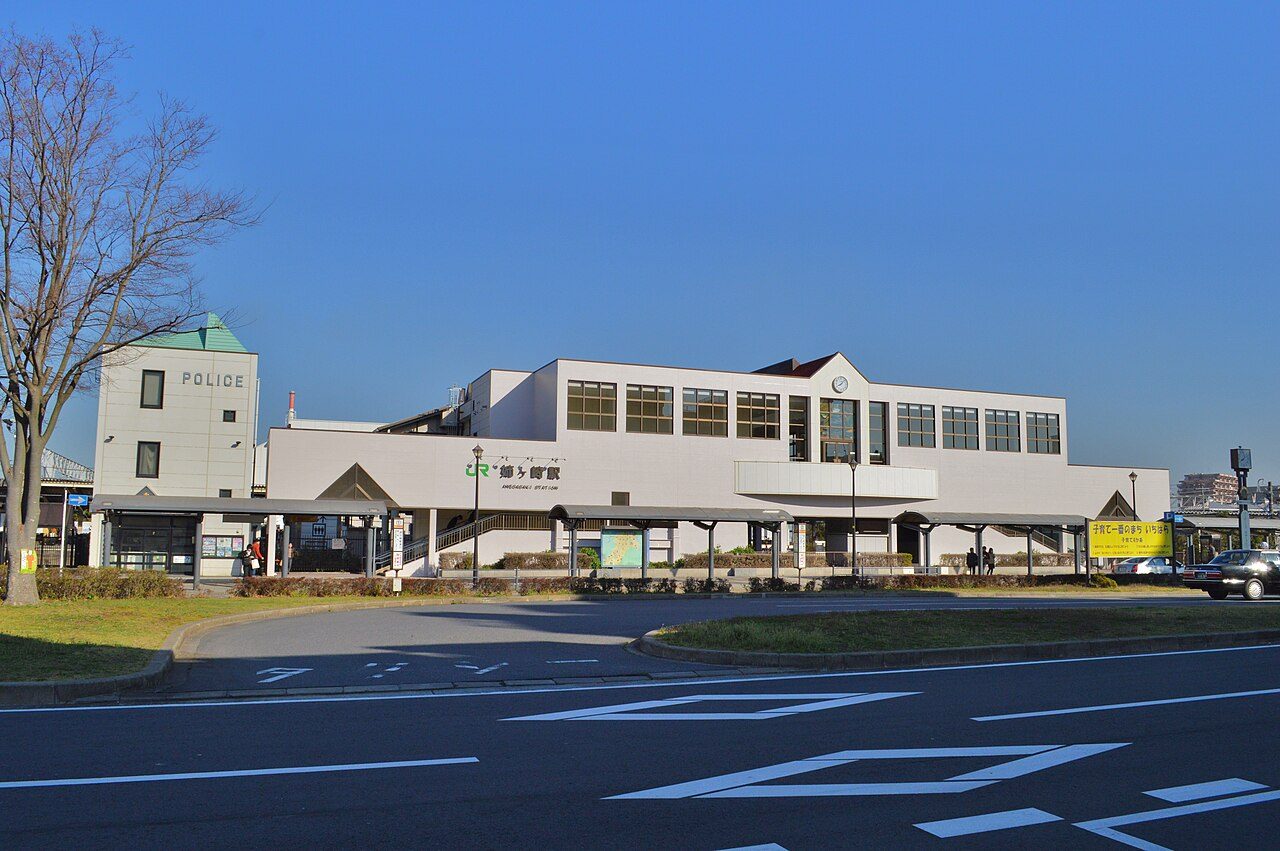
Passengers using the Chiba–Anegasaki section can use the special timetable to identify the relevant direction, then check newer operator notices before travelling. Anyone continuing farther needs separate confirmation for the interrupted section. This report compares JR East’s published material and does not verify conditions on the ground. The accompanying station photograph is a historical reference from March 2016, not an image of the current damage or replacement transport.
 프리즘코리아 편집국 > 森川結衣 · Yui Morikawa