Uchibo disruption: extra highway buses still have boarding and luggage limits
Kominato’s additional Tokyo-bound vehicles do not guarantee a seat. Its highway-bus rules distinguish available capacity, baggage storage and group travel from the published departure schedule.
Travellers considering highway buses during the Uchibo Line disruption need to check boarding conditions as well as departures. Kominato’s notice for September 28–30 lists an additional vehicle for each of the 6:25 a.m. and 7:12 a.m. services from Sodegaura Station’s north entrance towards Bus Terminal Tokyo Yaesu. More vehicles, however, do not establish that every passenger will find a seat.
The operator’s general highway-bus guidance describes first-come boarding within seated capacity and says passengers cannot board when a bus is full. Auxiliary seats may be used when regular seats are occupied, at the same fare. The documents provide no measured occupancy for the announced departures, so they cannot support a prediction about a particular traveller’s chance of boarding.
Luggage presents another practical constraint. Kominato asks passengers to place their own bags inside the bus or in the underfloor compartment; bags must not occupy seats. Groups of roughly twenty people or more are asked to contact the operating office in advance. These instructions matter when reorganising travel with suitcases or companions, but advance contact itself is not described as a seat guarantee.
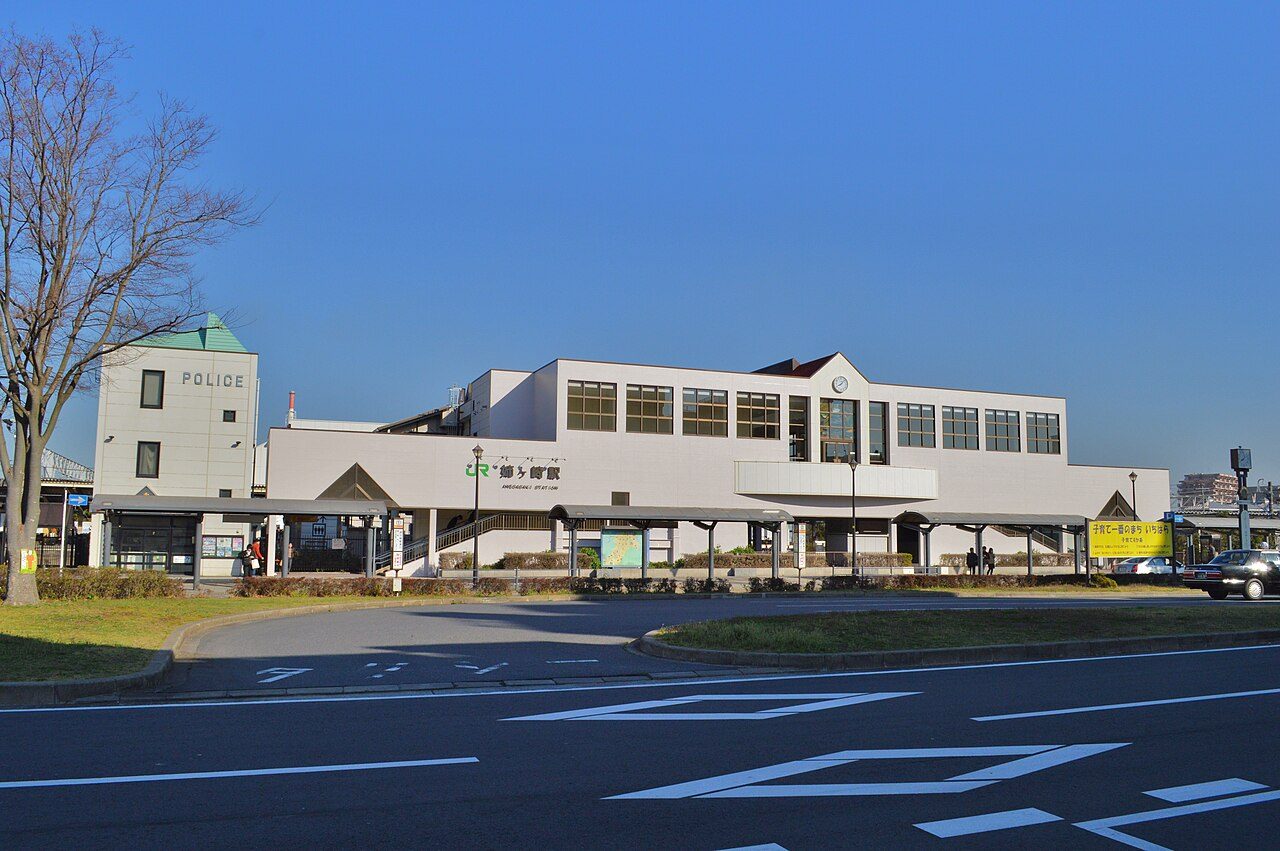
The guidance also warns that roads and weather can affect punctuality. The disruption notice separately lists local-route cancellations, meaning that reaching a highway-bus stop remains a different planning task from boarding there. This report does not verify an individual connection, current queue or vehicle load. The accompanying March 2016 photograph of Anegasaki Station is a historical reference, not evidence of today’s transport conditions.
 프리즘코리아 편집국 > Алексей Миронов · Alexei Mironov