Spain's 11N strike, service by service: what keeps running and what may not
A guide to the minimum-service levels reported for Spain's 24-hour general strike on 11 November 2026, across rail, air, schools, health care and private business.
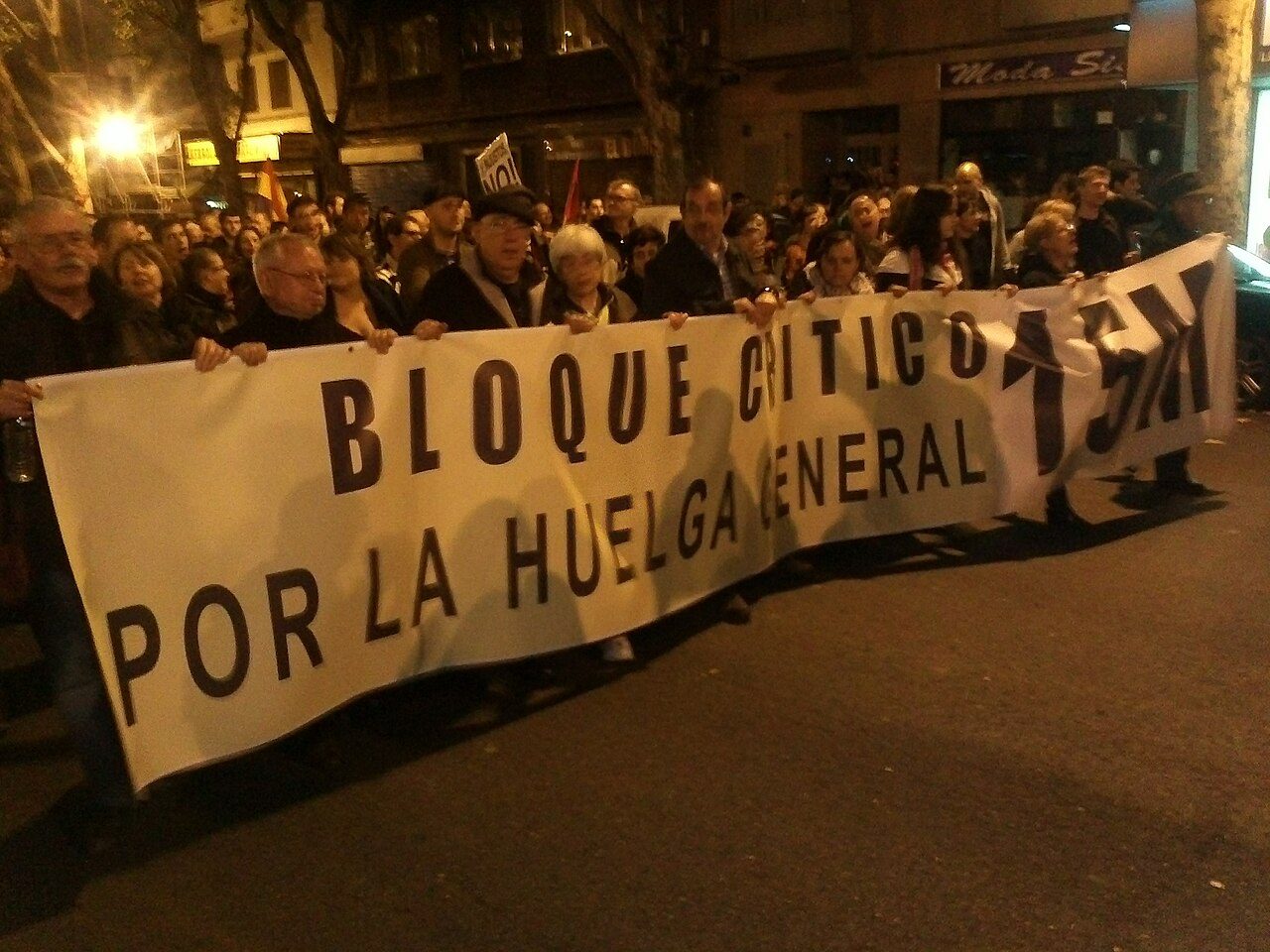
Spain's 24-hour general strike on Wednesday 11 November 2026 is not a blanket shutdown. Under Spanish rules, authorities set minimum services for essential activities, and those levels, as reported by idealista on 10 November, differ sharply by sector and region. The strike was called by the two largest union federations, UGT and CCOO, under the slogan "Wages, housing and prices", and is backed by other unions including CGT and, in the regions, CIG, ELA and LAB.
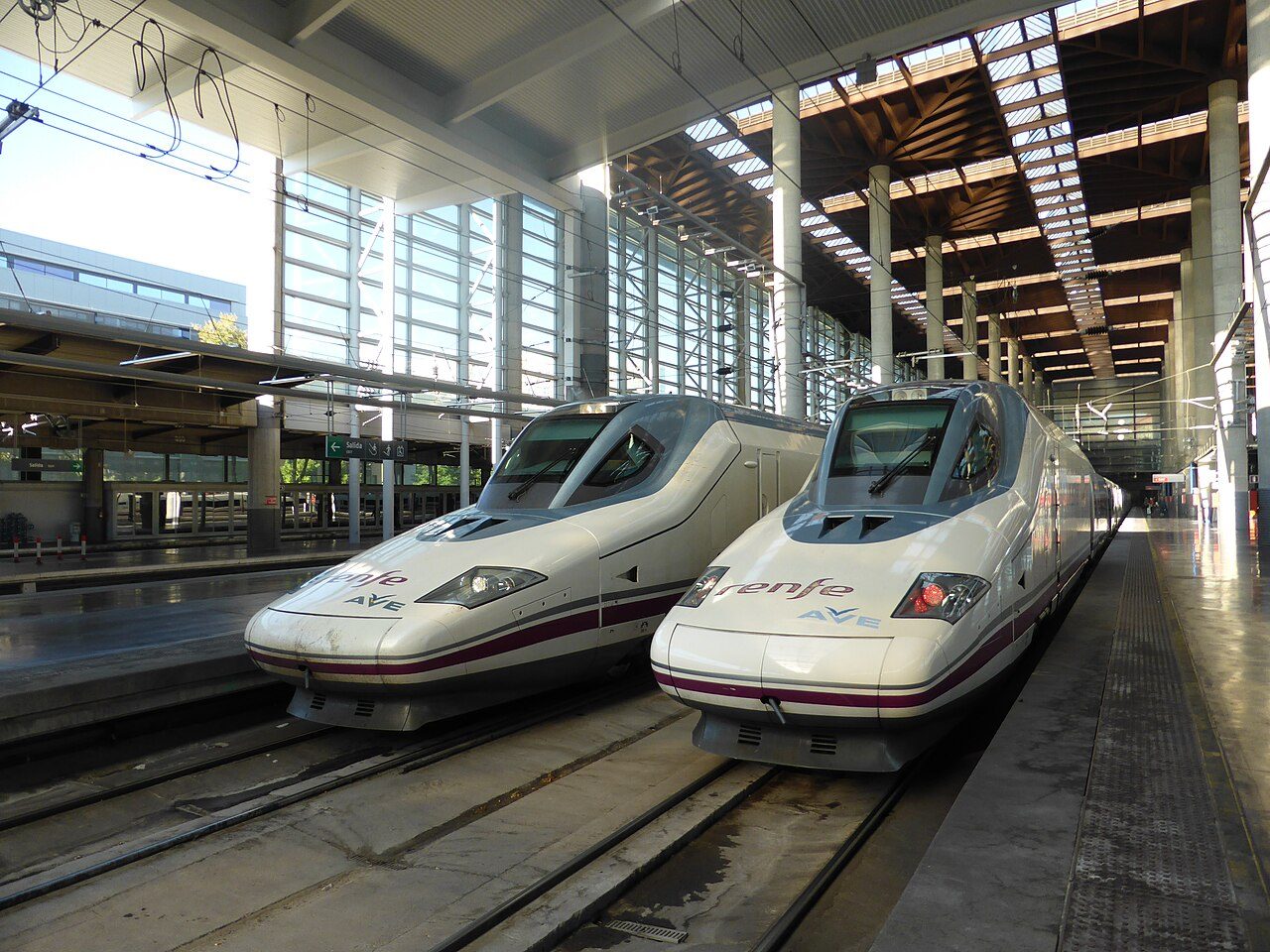
Rail is the clearest example. Idealista reports minimum services of 75% on Cercanías commuter trains at peak hours, with at least one train an hour in each direction off-peak, and 73% on high-speed and long-distance AVE services. Regional Media Distancia trains average 65%, and the private operator Ouigo expects to run 18 of its 26 trains. Separately, Renfe train drivers held their own full-day stoppage on 10 November and have partial action planned for 12 November, so disruption may stretch beyond the strike day itself.
Airports stay open, but airlines may cancel some flights, according to the same report; the Canary Islands, Balearic Islands, Ceuta and Melilla have higher protected levels. Majorca Daily Bulletin, writing on 31 October, warned that flights to, from and within Spain could be delayed or cancelled and that large marches in Madrid and Barcelona could slow airport transfers and reduce taxi availability. It also noted that airlines must rebook or refund cancelled flights but are usually not required to pay extra compensation for strike-related disruption, and that travel insurance usually covers strike disruption only if bought before the strike was announced on 7 October.
In schools and health care, the rules vary by region. In Catalonia, schools must keep at least one member of the management team, one teacher per six primary classes and one-third of nursery staff; in the Balearic Islands the ratio is one teacher per four primary classes, and in Madrid 60% of school transport is protected. Emergency care, intensive care, maternity and dialysis are expected to continue. Andalucía is running hospitals at Sunday-level provision, excluding routine appointments and planned operations, while Catalonia has set primary care at 25% minimum staffing. These figures come from regional announcements summarised by idealista and ARA, and local services may differ.
Private-sector life has no legally mandated minimum. Idealista notes that shops, supermarkets, bars and banks have no required service levels, so whether they open depends on staffing. For private security, the official gazette (BOE) published minimum services on 4 November: 90% for transport and telecommunications security, 85% for personal protection and 80% for alarm and communications centres, according to El Salto.
The levels themselves are contested. El Salto reported on 7 November that CNT Madrid had broken off talks with the Madrid regional government, saying it had not been given the documents needed to assess its proposal, and that CCOO and UGT Madrid criticised a lack of transparency and reserved the right to take legal action. CGT said Correos proposed 50% staffing in distribution units, 25% in some processing centres and up to 100% in rural services with public counters, which it called abusive. Unions also warn that required coverage can exceed the staff actually available when absences are not replaced; these are union claims, not findings.
Much remains unknown: how many workers will join, how closely the minimum levels will be met, and what the economic impact will be. The strike falls just over two weeks before the 29 November general election and would be the first national general strike backed by the major unions since 2012, according to idealista. This article relies on reports published between 8 October and 10 November, and arrangements may have changed by the time readers see it; travellers and workers should check with their carrier, airline or employer.
 프리즘코리아 편집국 > 森川結衣 · Yui Morikawa