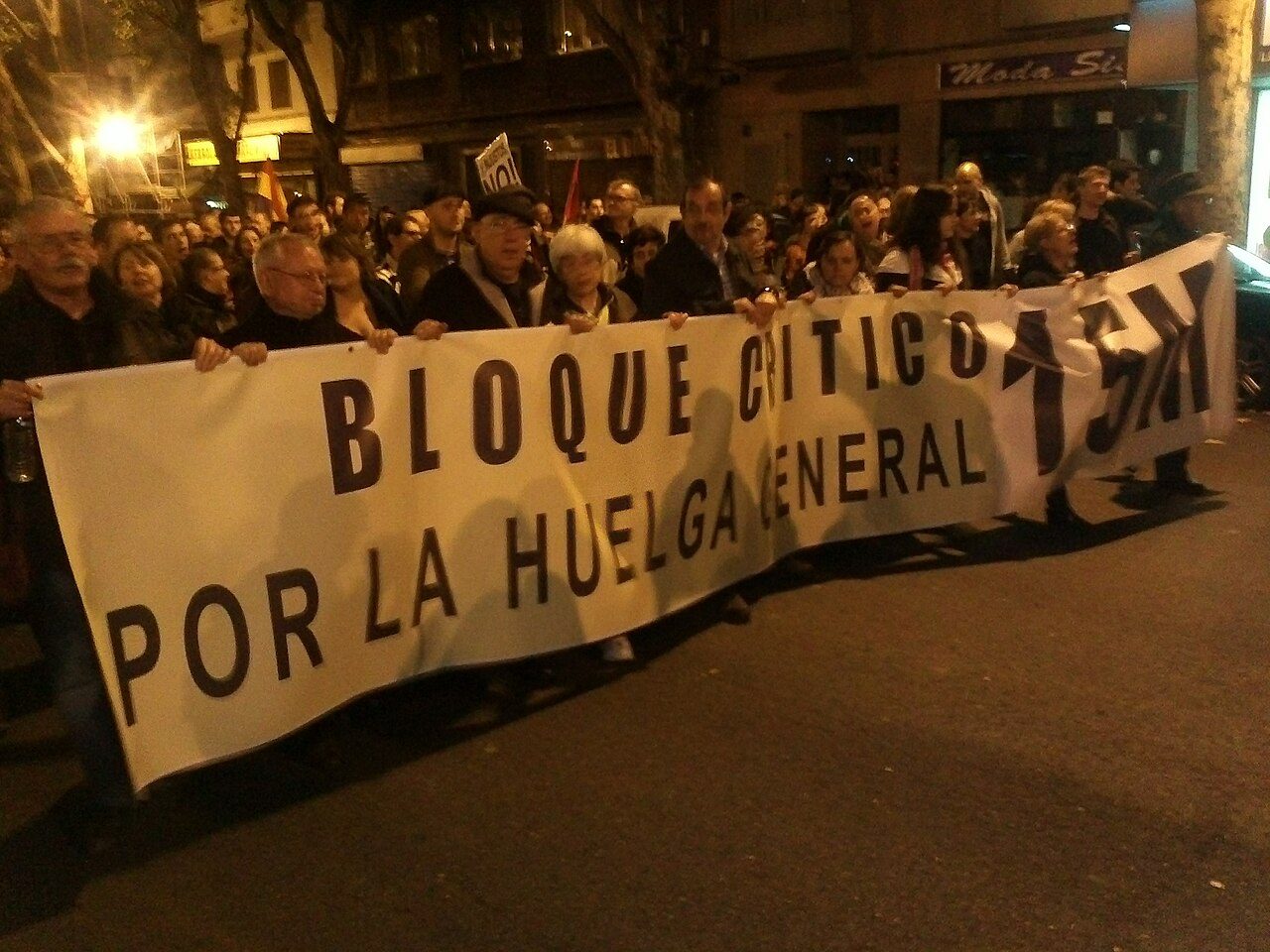
After Urda: how a fatal rail crash turned Spain's 11N strike into a fight over timing
Two weeks before Spain's 29 November election, the deadly Urda train collision reshaped the argument over the 11 November general strike, from housing and wages to whether it should go ahead at all.
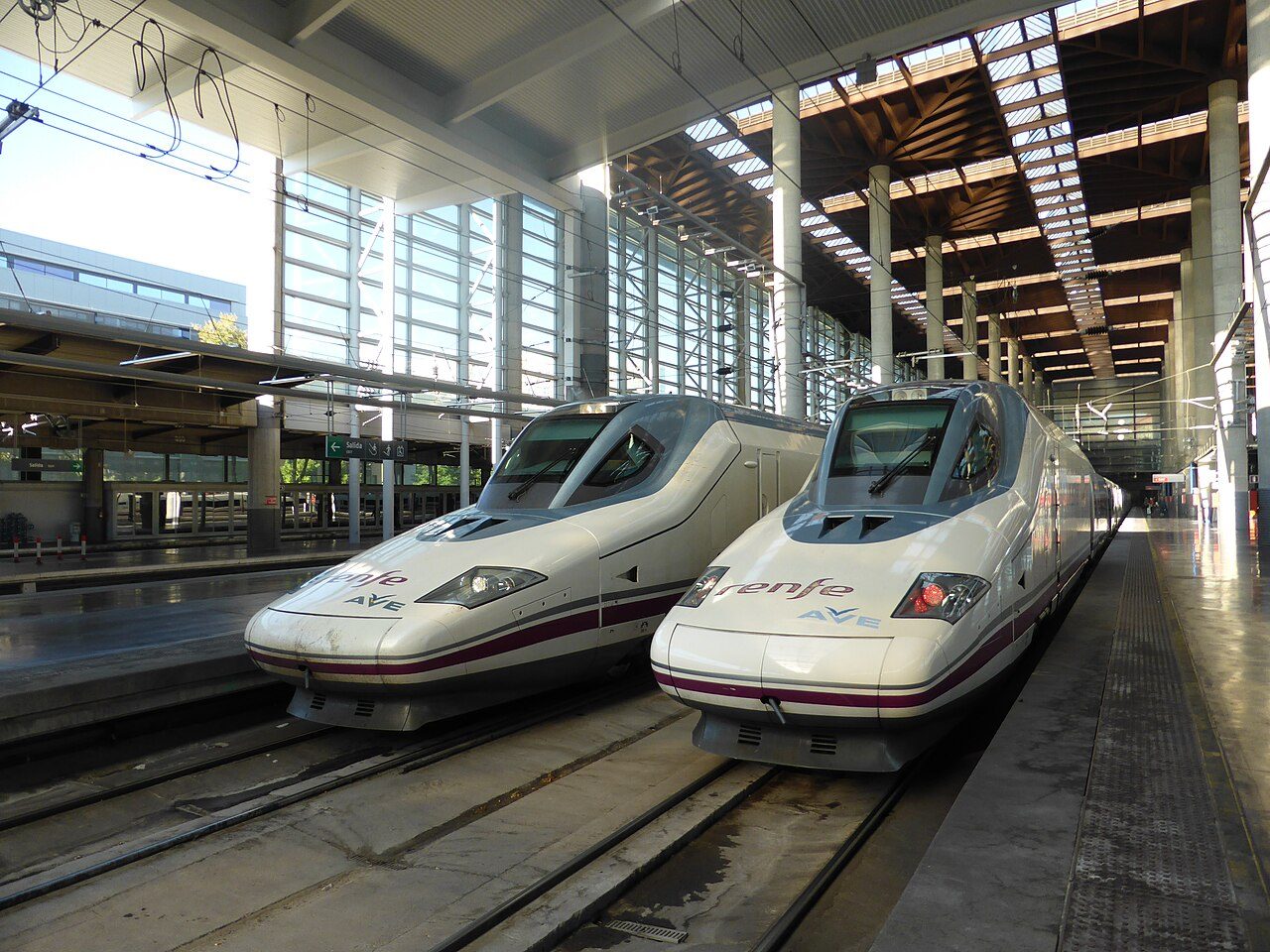
Spain's 24-hour general strike on Wednesday 11 November 2026 was called under the slogan "wages, housing and prices". Since 28 October it has also been argued over in the shadow of a rail disaster. A high-speed collision near the village of Urda, on the Madrid-Seville line, killed 69 people, according to Castilla-La Mancha regional leader Emiliano García-Page, as reported by the Associated Press.
The Associated Press reported that a Renfe train struck a stationary IRYO train from behind at 8:53 a.m. Transport Minister Óscar Puente blamed human error, saying a safety system had halted trains on the stretch and that a central command then told the Renfe train to restart without speed restrictions while a stop signal was still active. Unions questioned placing blame on one controller and criticised the leak of control-room audio. A judge has declared the site an investigation zone, and the cause is not yet established in court.
The crash was Spain's second deadly high-speed accident this year, after one in January in the south that killed 46 people, the same report said. Prime Minister Pedro Sánchez called it unacceptable for Spain to endure two such accidents in one year. The disaster came days before a strike that unions had planned mainly around rents and pay, and weeks before the 29 November early election that Sánchez called.
On 3 November, opposition leader Alberto Núñez Feijóo of the People's Party (PP) asked the unions to reconsider, according to Demócrata, which covered his remarks at a Europa Press breakfast. He said he did not question the constitutional right to strike but did question its timing, calling the stoppage "a serious mistake" after Urda, and warned the unions: "Do not do it or you will link your image to Pedro Sánchez forever." He also said the strike had been called "against the opposition" and that the unions called no general strike during Sánchez's eight years in government.
The union leaders pushed back. Demócrata reported that Pepe Álvarez of the UGT said there were no grounds to cancel the strike and criticised the use of victims' suffering to question the right to strike. Unai Sordo of the CCOO said one reason for the mobilisation was to demand investment in public services and in the upkeep of major infrastructure. In effect, the unions folded the crash into their existing case about under-resourced public services, rather than treating it as a reason to stand down. Demócrata also reported that both leaders had said on 22 October, before the accident, that this strike would differ from usual general strikes and that its success would be judged by the afternoon demonstrations rather than activity during working hours.
There are signs of strain on the union side, though contested ones. The newspaper Vozpópuli reported on 5 November, citing unnamed union sources, that doubts inside the CCOO grew after Urda, that some voices raised withdrawing the call, and that middle-ranking officials preferred to put more weight on a separate rail strike planned for 17 November. The CCOO leadership denied any internal discrepancy and said its seven main federations back the strike. The same report said the unions claimed more than 3,600 endorsements from works councils and union branches, a figure that is the unions' own and was not independently checked.
The transport picture is already fragmented. Train drivers' union Semaf called stoppages on 10 and 12 November around the general strike, and committees at Adif and Renfe have called a rail strike for 17 November, Vozpópuli reported. Several smaller unions, including USO, CSIF, Fetico, Valorian and Semaf, reject the 11 November strike on the grounds that it is not a labour dispute. Whether the rail stoppages and the general strike will be read by voters as one wave of protest or as separate disputes is an open question.
Politically, the effect is uncertain. Political scientist Alejandro Quiroga told the Associated Press that the crash might not hurt the Socialists much, because Spaniards generally dislike politicians trying to take advantage of tragedies. The same logic could cut against Feijóo's appeal, or against unions that are seen as striking in the wake of a disaster. This reading is an expert's assessment, not a measured result.
What remains unknown is how many workers will actually stop work, how closely minimum services will be kept, and whether the Urda investigation will change the debate before voters go to the polls on 29 November. This report draws on coverage published between 28 October and 9 November, and positions may have shifted since; readers should check carriers and employers for the latest arrangements.
 프리즘코리아 편집국 > Camila Ríos