Nvidia's denials in the Megaspeed affair: what they answer and what they leave open
Nvidia has rejected reports that a Megaspeed executive linked to US suspicions of Chinese intelligence activity gathered information through CEO Jensen Huang. A close reading of its statements shows which questions they address, and which remain unanswered before a November 11 deadline set by Congress.
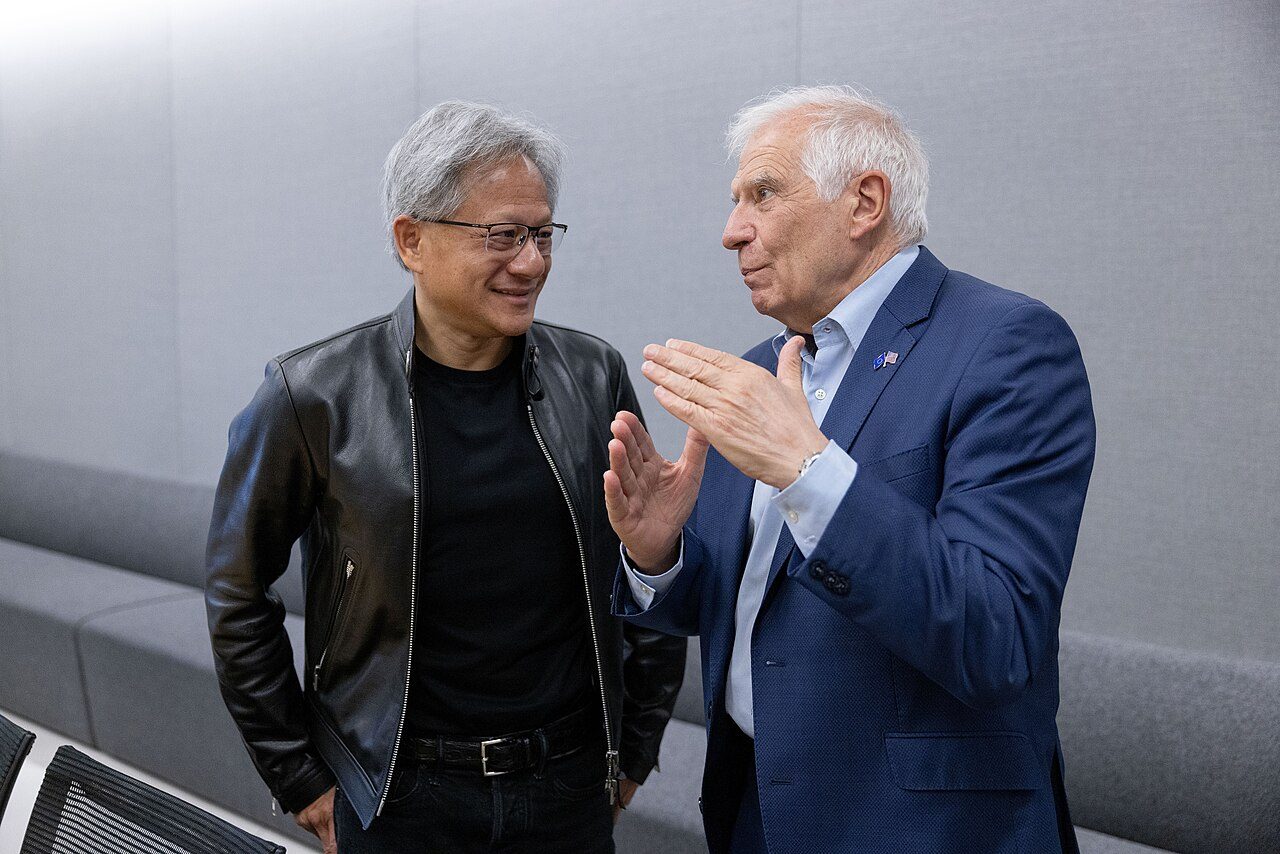
On October 29, 2026, The New York Times reported, citing people briefed on classified surveillance, that US intelligence agencies believed Alice Huang, also known as Huang Le and formerly associated with the Singapore-based data-centre operator Megaspeed International, was gathering information for the Chinese government and had built a close relationship with Nvidia chief executive Jensen Huang. The reporting rests on anonymous sources; US officials have not confirmed it publicly, and the White House, CIA and NSA declined to comment, according to outlet summaries of the Times report. Alice Huang did not respond to the Times's requests for comment.
Nvidia's reply has had several distinct parts. According to The Hill, a company spokesperson said allegations that chips were diverted through the regional cloud provider had been "thoroughly investigated and debunked last year", though the article does not say who carried out that review. ForkLog, summarising the Times report, says Nvidia describes its own internal review as finding no violations and that Megaspeed remains a cloud partner. These statements address the export-control question: whether Nvidia hardware reached Chinese customers in breach of US rules. They say nothing about whether any individual was collecting information from the company's leadership.
On the second question, Nvidia's position is that nothing sensitive was at stake. Spokesperson John Rizzo said Jensen Huang meets thousands of customer executives each year, that his contacts with Alice Huang were normal customer engagement, and that regional cloud customers receive ordinary operational or commercial information rather than confidential technology or material relevant to US national security. Jensen Huang told Reuters that his dealings with Megaspeed were normal and that Nvidia had checked how its GPUs were deployed to see whether any were being diverted. Nvidia also told The Hill it expects the US government to alert it if a person poses a threat to American industry, and that it acts on such updates.
The export-control background explains why the first question matters. According to the Times as relayed by eeNews Europe and ForkLog, a Malaysian company affiliated with Megaspeed bought at least $4.8 billion of equipment containing Nvidia technology between June 2024 and February 2026, according to ImportGenius trade data. US authorities, led initially by the Commerce Department with the Justice Department later joining, were reportedly examining whether some of it was diverted to China. Those suspicions of illegal shipments have not been publicly substantiated. Megaspeed's current management told the Times it has hired outside counsel and will cooperate with US authorities.
Other governments have responded separately, and the responses should not be conflated. Singapore's Ministry of Home Affairs said on October 31 that it had not investigated Alice Huang's alleged links to Chinese intelligence or her relationship with Jensen Huang, but that its inquiries into Megaspeed itself continue. Singapore's police said they do not enforce other countries' unilateral export controls as such but would act on fraud or breaches of Singapore law. China's Foreign Ministry spokesperson Guo Jiakun called the reports unfounded accusations on October 30. Senator Elizabeth Warren asked Jensen Huang and Nvidia's board on October 29 to answer lawmakers' questions.
The most concrete development is in the House. A letter dated November 4 and made public the next day, signed by Brian Mast, John Moolenaar and Rick Crawford, who chair the Foreign Affairs, China Select and Intelligence committees, asks Jensen Huang for a closed-door joint briefing, preferably on November 18. It asks him to explain his contacts with Alice Huang and to describe Nvidia's internal measures for protecting sensitive information from foreign intelligence operations, and it asks Nvidia to reply by November 11. According to the technology outlet Xenospectrum, which reported the letter, this is an invitation rather than a subpoena, and as of November 7 it had found no confirmation that Huang would attend. The letter's second request is notable because it asks about safeguards, which Nvidia's earlier statements have not described in detail.
The gap between the two questions is the main analytical point. A finding that no chips were diverted would not by itself settle whether an outsider gained useful insight from access to senior executives, and a finding that ordinary information was shared does not by itself show that chips were handled lawfully. Nvidia's statements, taken at face value, rebut the second concern by characterising what was shared and rebut the first by pointing to past reviews, but the evidence behind both is not public. Reporting also says officials did not believe Jensen Huang knew of any suspicious activity, although some senior Trump administration figures were reported to doubt he could be unaware; both points are secondhand accounts of anonymous sourcing.
What is not established is considerable: what, if anything, Alice Huang passed to anyone; whether any of it came from Nvidia; whether Jensen Huang knew of the suspicions; and whether any chips reached China illegally. The next publicly checkable step is Nvidia's answer to Congress on November 11, which will show whether Huang accepts the November 18 briefing and how the company describes its safeguards. Until then the matter is a set of anonymously sourced allegations and corporate denials, not an established case of espionage.
 프리즘코리아 편집국 > Adrian Cole