Nvidia Board Opens Independent Probe Into CEO Jensen Huang Over Reported Intelligence Link
Nvidia's board launched an independent investigation on 8 November after reports that Jensen Huang was targeted by a foreign intelligence effort; the board says it has no reason to believe secrets were compromised.
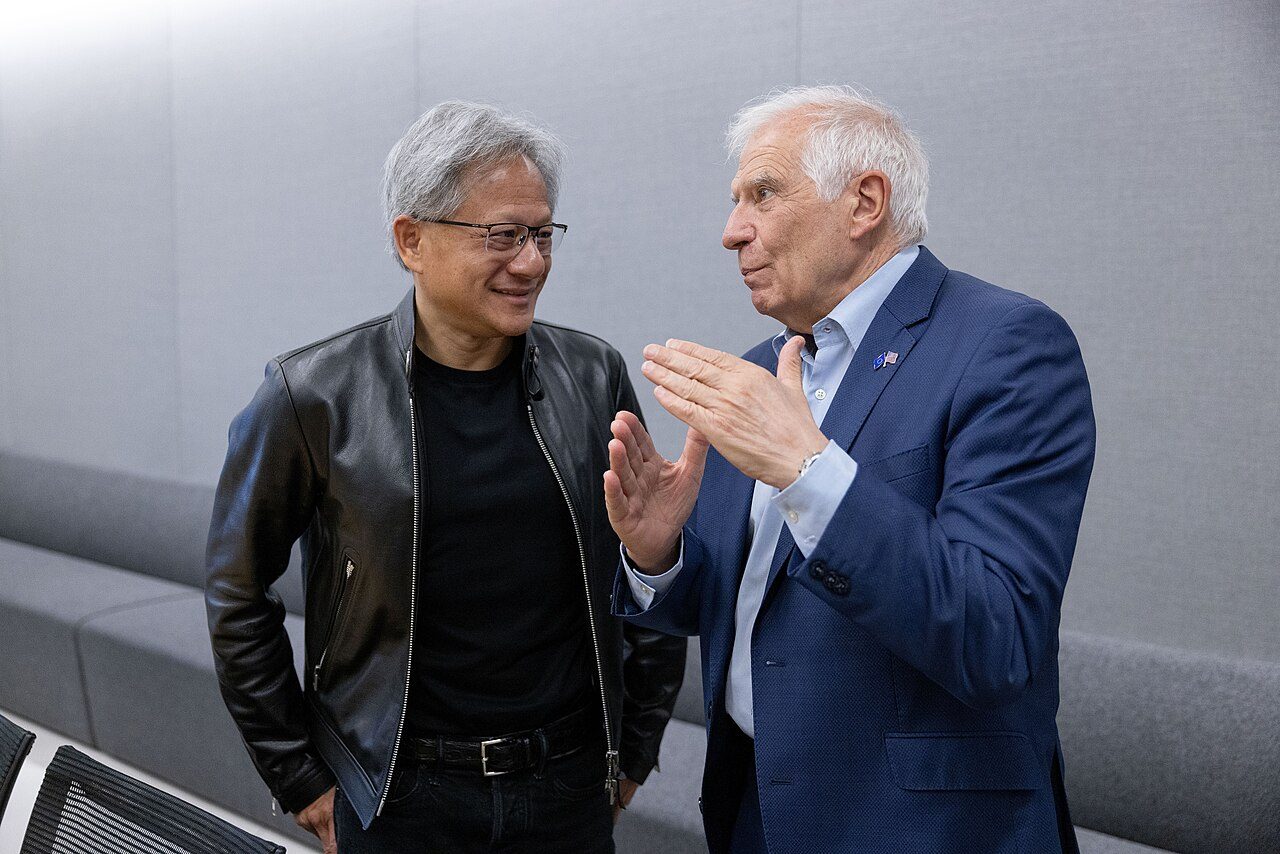
Nvidia's board of directors announced on 8 November 2026 that it is launching an independent investigation after recent reports that chief executive Jensen Huang was the target of a foreign intelligence effort. In a statement posted on Nvidia's newsroom, the board said a committee of independent directors, supported by outside independent counsel, will oversee the inquiry and review all available information.
The board said it has no reason to believe that national security or Nvidia's secrets were compromised, and that it ranks U.S. national and economic security above the interests of the company and its shareholders. It expressed confidence in Huang and his leadership team, said Huang "fully supports the review and has committed to cooperating with it," and promised further updates as appropriate, without giving a timeline.
The inquiry follows New York Times reporting, summarised by CBS News, that U.S. authorities were investigating Alice Huang, a former executive of Singapore-based Megaspeed, a major buyer of Nvidia chips, and that U.S. intelligence officials reportedly believed she was working for China's Ministry of State Security. The report said Jensen Huang had a close relationship with her. CBS reported that Megaspeed bought more than $4.8 billion of Nvidia chips over two years, and that China has called the espionage allegations "groundless speculation," according to BBC News as cited by CBS.
CBS also reported that Huang acknowledged being "unfaithful" to his wife and apologised, saying, "There is no excuse for what I did. I am deeply sorry." He said he fell short of his responsibilities to employees, the board and shareholders, and that he supports the investigation and will cooperate fully. The statements as relayed do not describe any intelligence activity, and the board's statement does not say what the investigation will examine beyond reviewing all available information.
The development adds a corporate-governance track to a story that so far had centred on denials and a congressional request for a briefing. Earlier reporting on this site covered Nvidia's rebuttals on chip diversion and the House committee chairs' request for answers; the board's step is separate from both and does not itself establish any wrongdoing.
Important points remain unconfirmed. The espionage allegation rests on anonymously sourced reporting that U.S. officials have not publicly confirmed, the board says it has seen no evidence of compromise, and no timeline, scope detail or findings have been released. The next verifiable markers are any further board update and Nvidia's response to Congress.
 프리즘코리아 편집국 > Adrian Cole