
New Zealand's Three-Week Wait: What Happens Until Final Results on Nov. 27
With no clear winner after New Zealand's 7 November election, counting of about 400,000 special votes and the start of coalition talks set up weeks of uncertainty, and past negotiations ran from 8 to 59 days.
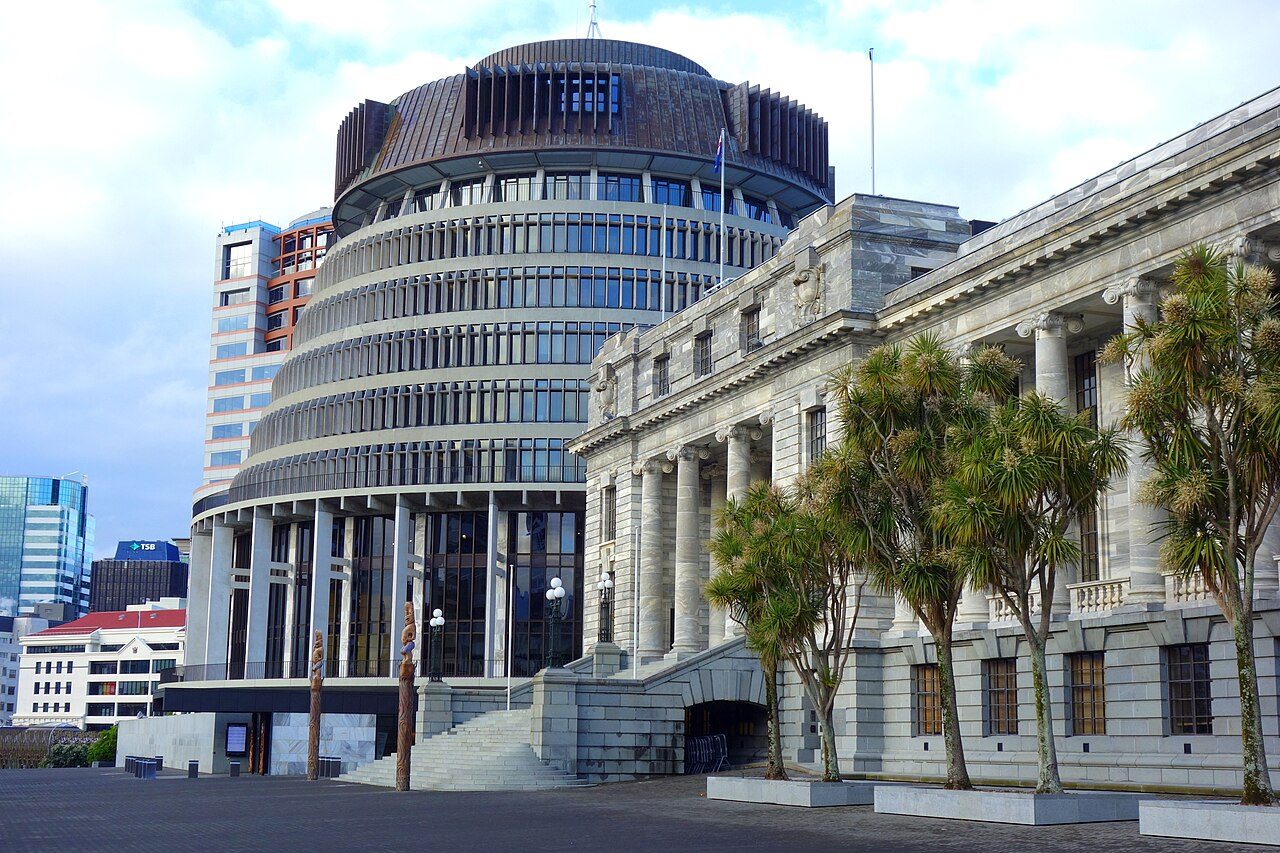
New Zealand's election is not over, even though voting ended on 7 November. According to an Associated Press report carried by NPR on 8 November, counting of nearly 400,000 special votes began on Sunday and is expected to take about three weeks, with final tallies due on 27 November. Christopher Luxon will lead a caretaker government in the meantime.
History suggests the wait may not end on 27 November. The Spinoff's explainer on coalition talks says the shortest negotiation of the MMP era took 8 days in 2008, when National signed confidence-and-supply deals with ACT, United Future and Te Pāti Māori. The longest took 59 days in 1996, when NZ First held out before forming a government with National. The 2023 talks took 41 days, the second longest on record, although Winston Peters says the process took 21 days if counted from the official declaration of results and excluding special votes. The Spinoff notes that the 41-day figure was disputed by some of those involved.
The Spinoff set out what the calendar could look like this year: results confirmed on 27 November and, if talks follow the 2023 timeline, a government around 18 December. Chris Hipkins has said he is aiming for a government by Christmas, while Luxon has said talks will take as long as they take. After the vote, Luxon told reporters that he thinks everyone is over politics and suggested a bit of a break for the next three weeks, AP reported.
There is a visible tension in the timelines. Before the election, Peters predicted a deal by 10 November, and The Spinoff notes that parties do not always wait for the final count, with some deals having been signed before special votes were counted. AP, however, reports that negotiations to form a government will not begin until the final tallies are in. Neither source says which description will hold this time, so the gap between informal contact and formal talks is an open question rather than a settled fact.
The special votes are the reason the count matters. On the provisional figures AP cites, National has 42 seats, ACT 13 and NZ First 12, a total of 67 in a 131-seat Parliament where 66 is a majority. Labour has 36, the Greens 16 and Te Pāti Māori 5, a total of 57, and the Opportunity Party has 7. AP says special votes have historically favored left-wing parties and could add one or two seats for them, possibly erasing the right's one-seat lead, though even then the left would likely struggle to form a majority.
That leaves Opportunity, led by 38-year-old Qiulae Wong, in a position to matter. AP reports that Wong has said she could work with either side and that Luxon ruled out negotiating with her before the election, but sidestepped on Sunday whether his narrow lead changed that. The Spinoff reports that Wong said she would first try to deal with the party that wins the most seats and approach the other side only if that fails. Which party that is may itself depend on the count, since the two main parties are separated by a fraction of a percentage point of the party vote.
The sources leave several things unanswered. The seat figures are provisional and could move once special votes are counted. Neither source describes the constitutional steps between the final count and the swearing-in of a government, and AP says only that a new election could be needed if no government can be formed. Until 27 November, the questions of who will govern and how quickly cannot be answered from published reporting.
 프리즘코리아 편집국 > 윤도현 · Dohyun Yun




