
New Zealand's Provisional Count: Where Each Party's Seats Came From
Provisional figures show National won 42 seats with no list seats while Opportunity and NZ First rely entirely on the party vote; special votes could still shift the picture.
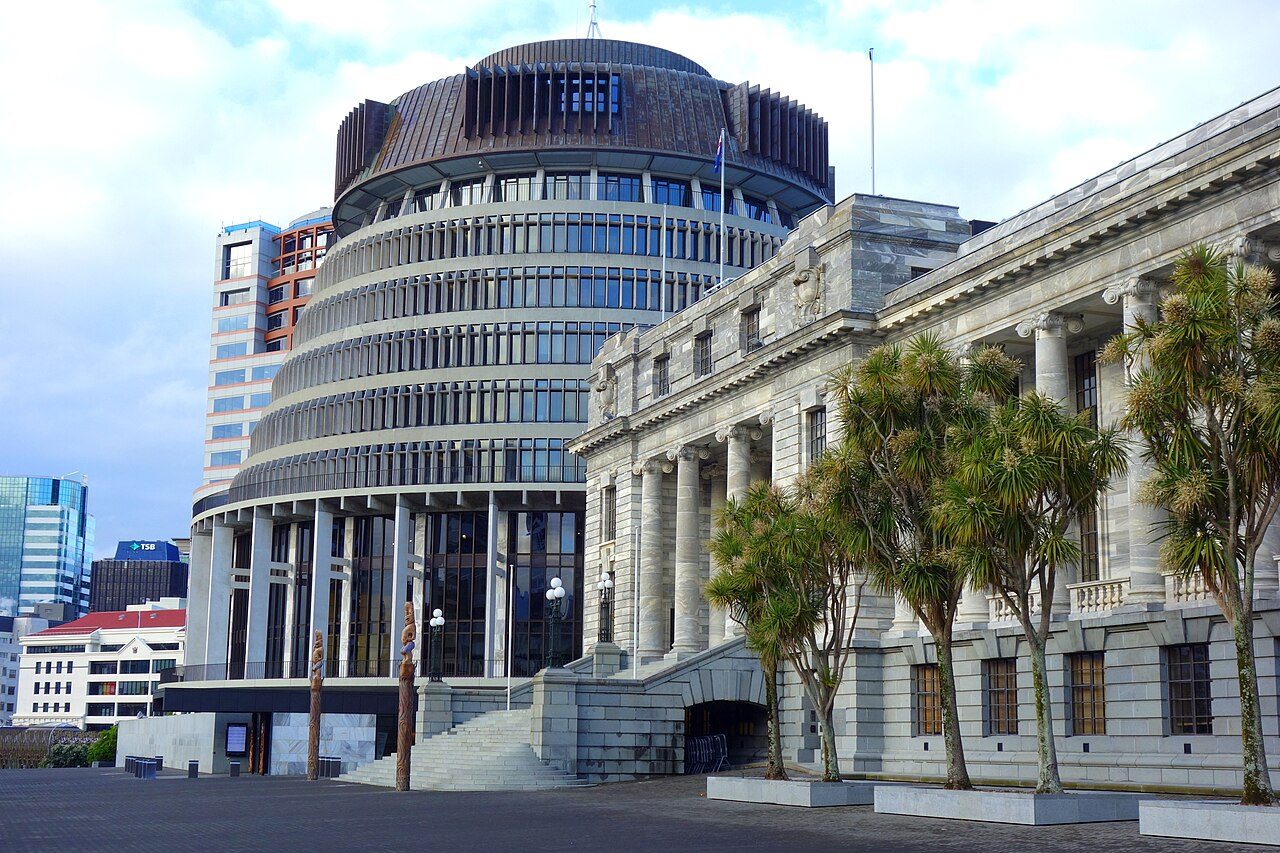
The Electoral Commission's provisional results for New Zealand's 7 November 2026 election show a 131-seat Parliament: 71 electorate seats and 60 list seats. The headline is that Labour led the party vote narrowly, with 710,330 votes (29.36%) to National's 706,680 (29.21%), while National leads on seats, 42 to 36. The route each party took to its total explains most of that gap.
National won all 42 of its seats in electorates and received no list seats. Labour has 36, made up of 21 electorate seats and 15 list seats. The Greens have 16 (2 electorate, 14 list), ACT has 13 (1 electorate, 12 list), and NZ First has 12, all from the list. The Opportunity Party has 7, also all from the list. Te Pāti Māori has 5 electorate seats and no list seats on 13,845 party votes (0.57%).
Dividing party votes by seats gives a rough sense of how unevenly the system is working at this stage. This is the author's own arithmetic from the provisional figures, not an official measure. National's 706,680 votes work out to about 16,800 per seat. Labour is about 19,700 per seat, NZ First about 19,700, the Greens about 20,100, ACT about 20,300 and Opportunity about 20,600. Te Pāti Māori, with 13,845 votes and 5 seats, is at about 2,800 per seat. Across all 131 seats the average is about 18,500.
The low figure for Te Pāti Māori reflects a strategy described by ABC News (Australia) in its election-night coverage: the party was ahead in five of the seven Māori electorates, and ABC reported that it had asked supporters to give it their electorate vote and give their party vote to another left-bloc party. Seats won in electorates beyond a party's party-vote entitlement are known as overhang seats. National's 42 electorate seats against no list seats point the same way, and together these seats appear to be why the provisional House has 131 members rather than its nominal 120, though the Commission page does not itself break down the overhang.
The addition behind the coalition question depends on those seat totals. A majority of 131 is 66. National, ACT and NZ First together have 42 + 13 + 12 = 67. Labour, the Greens and Te Pāti Māori have 36 + 16 + 5 = 57, or 64 if Opportunity's 7 are added. Those are the author's sums from provisional numbers, and neither combination has been announced by any party. ABC reported that Prime Minister Christopher Luxon has repeatedly ruled out working with Opportunity leader Qiulae Wong, while Labour leader Chris Hipkins said he is open to it but does not support its land tax.
The small parties outside Parliament account for very little of the vote. Ten parties that won no seats together received 20,759 party votes, about 0.86% of the 2,418,565 counted. That is the author's sum of the Commission's listed figures.
That is where the uncertainty lies. The Commission estimates 399,365 special votes are still to come, including 96,947 overseas and dictation votes, on top of 2,432,403 ordinary votes counted on election night. It describes the provisional figures as indicative only. Estimated turnout is 74.6% of enrolled voters, down from 78.2% in 2023. Official counting began on 8 November and is expected to take about 20 days, with final results due on Friday 27 November. Because the provisional majority for one bloc is a single seat, it is the kind of margin that late counting could move.
 프리즘코리아 편집국 > 윤도현 · Dohyun Yun




