
French blood service freezer hack: what is confirmed and what is still only reported
Hackers reached plasma freezers at three French blood service sites via a refrigeration supplier. Officials report no losses, but the supplier name, temperatures and link to other attacks rest on press reports.
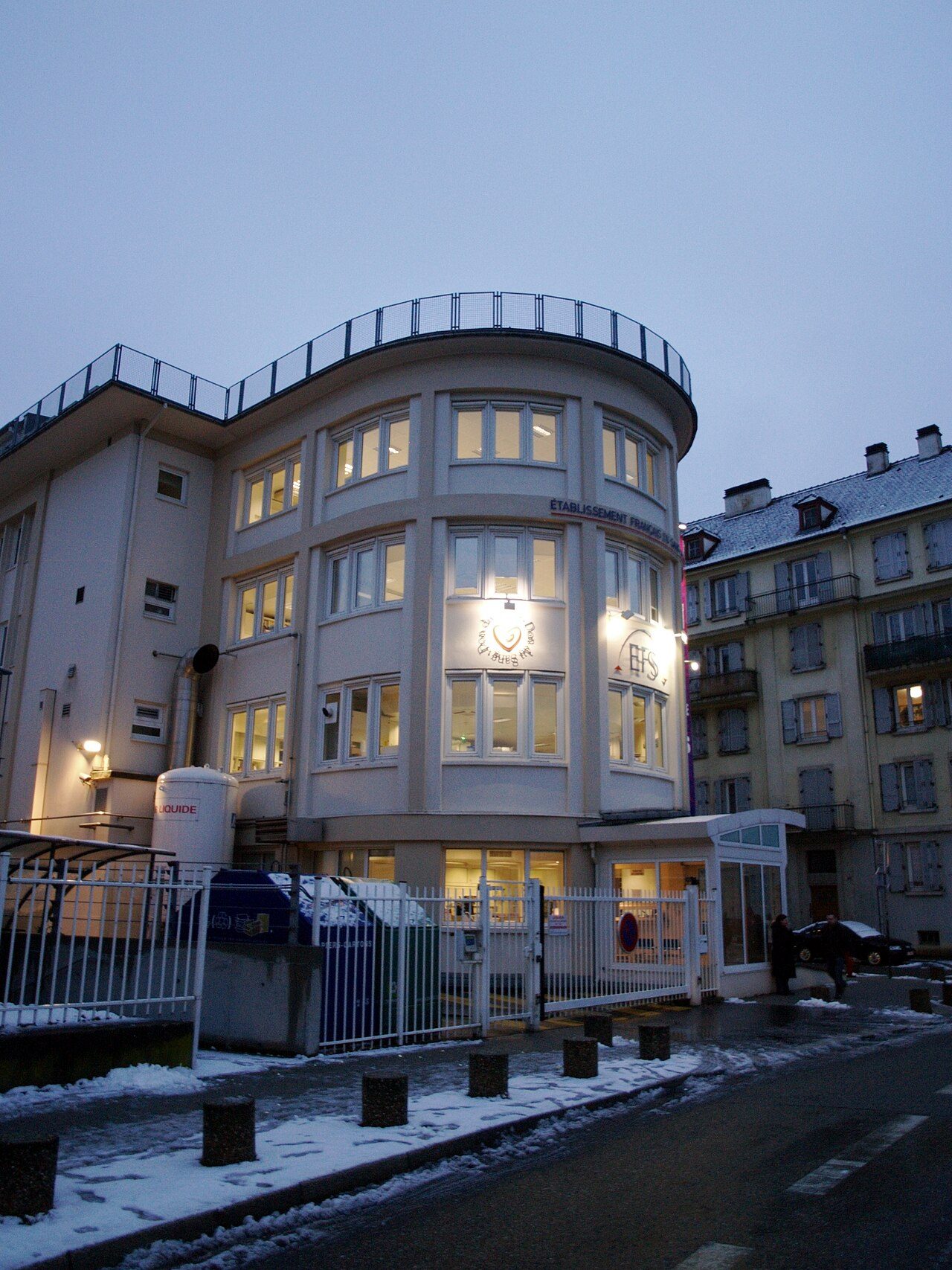
France's national blood service, the Établissement français du sang (EFS), said on 4 November 2026 that hackers had raised temperature settings at cold rooms holding blood plasma at three of its sites, according to The Next Web. The service says it was not the direct target: the attackers hit a refrigeration supplier on Monday 2 November and reached the systems that monitor and control that supplier's cold rooms. The material stored included plasma for transfusions, plasma for making medicines, and biobank samples.
The EFS says the damage was contained. Alarms detected the change, staff either regained control of each unit or shut it down, and plasma was moved elsewhere as a precaution. In the service's words, as relayed by The Next Web, no health impact has been identified and no blood products have been lost, and collections and hospital deliveries continue as normal. France's cybersecurity agency ANSSI and the Health Ministry are working with the EFS, which has stepped up temperature monitoring across all its equipment.
Several details come from press reports rather than official statements. Anadolu Agency and Newsweek, citing the satirical weekly Le Canard enchaîné, named the supplier as Coolworld and said the attack took place overnight from 1 to 2 November. Anadolu reported that the units normally run at minus 30°C and were set to 110°C; Newsweek noted that the unit was not specified. The Next Web adds that an EFS official told a local radio station readings reached 110°C and even 150°C without altering samples, while stating that the EFS itself has not named the supplier or given a temperature. Plasma is normally stored at around minus 25°C. The reports also differ on the date: 1 to 2 November in one account, 2 November in another.
The incident has been discussed alongside attacks on refrigeration equipment elsewhere. Newsweek reported that on 2 November supermarkets in at least six countries, Sweden, Belgium, Luxembourg, Ireland, Italy and Estonia, saw fridges and freezers warm after remote access was compromised; one Swedish shop reported a setting of 50°C. In France, the finance minister said about 700 of the country's roughly 10,000 supermarkets were affected by earlier tampering, and ANSSI's alert, first published on 12 October and still being updated, lists compromised Danfoss AK-SM and AK-SC, Copeland xweb and Dixell xweb remote controllers.
Whether these cases are linked is not established. Newsweek stresses that shared refrigeration equipment is not enough to connect the blood-service incident to the supermarket attacks, and the consequences differed, spoiled food in one case and plasma and samples in the other. No group has claimed responsibility, and sources do not say how the attackers got in or how many devices were affected.
Katerina Mitrokotsa of the University of St. Gallen told Newsweek: "A fridge doesn't look like a security risk, and that's exactly why attackers like it." That is an expert's view on why such devices are attractive, not a finding about this case. Readers should treat the temperatures, the supplier's name and any link to other attacks as unconfirmed until the ANSSI and Health Ministry inquiry reports.
 프리즘코리아 편집국 > Adrian Cole




