After French blood-service hack, US agencies warn refrigeration controllers are a live target
A day after reports that hackers raised temperatures at three French blood-service sites via a refrigeration supplier, the FBI, CISA and three other US agencies warned of ongoing attacks on refrigeration controllers. Attackers remain unidentified, and reports differ on how many countries were hit.
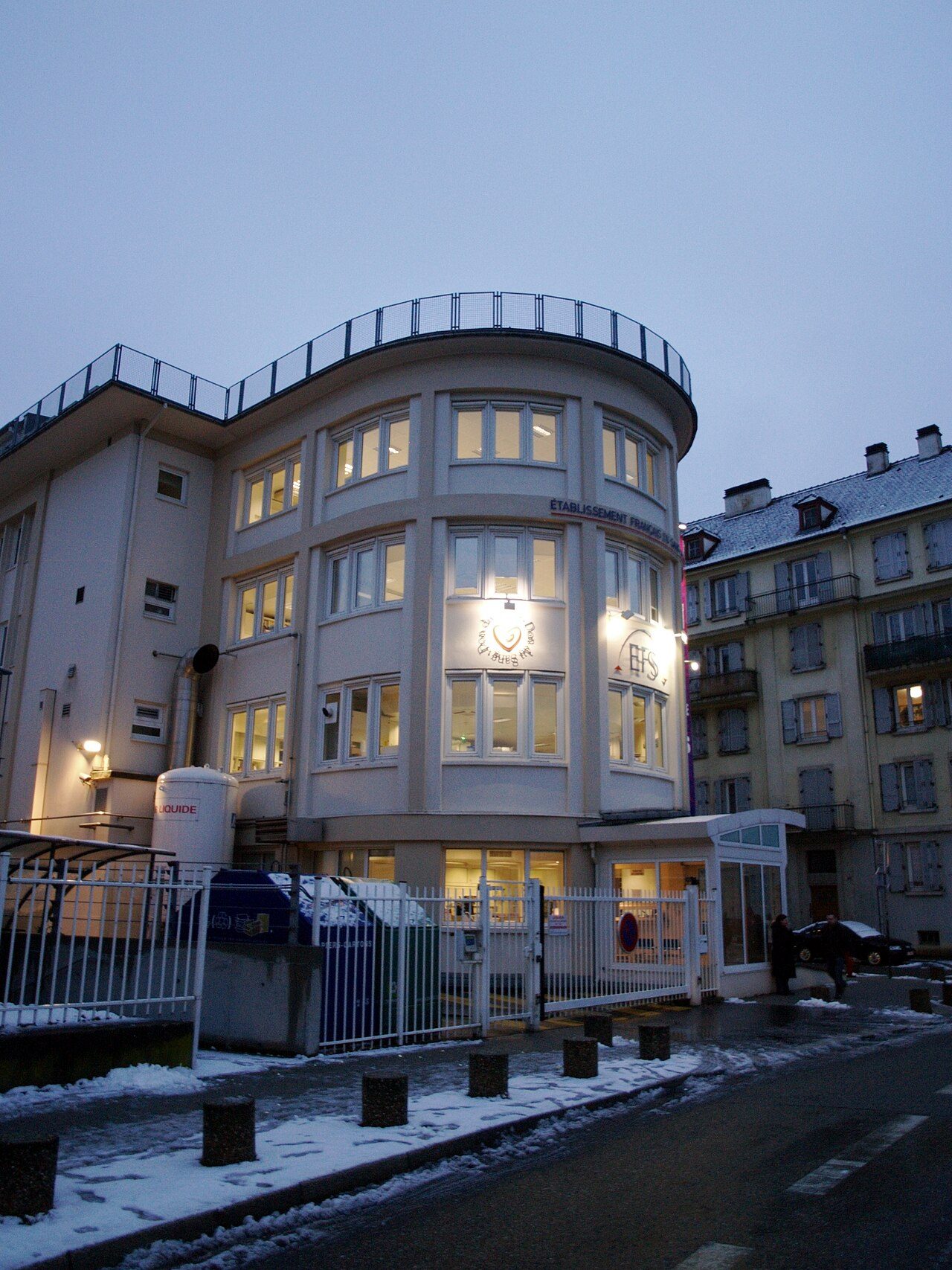
US authorities have broadened the warning around the French blood-service cyberattack into a general alert about refrigeration controllers. On Thursday, November 5, CISA and the FBI, together with HHS, USDA and the Transportation Department, issued a joint advisory on attacks against industrial refrigeration and cold-chain monitoring systems, according to BleepingComputer and Help Net Security. "Every organization that depends on refrigeration and monitoring systems should assume it could be a target," CISA's Chris Butera said.
The advisory says attackers are going after unpatched or internet-accessible temperature controllers, possibly through authentication bypass, arbitrary code injection or weak configurations. Once in, they can change setpoints and force equipment into continuous heating or defrost cycles. The agencies list inventory loss, shorter equipment life, fire hazards and unsafe storage of food or medicine among the consequences, and warn that staff may lose sight of actual temperatures. Their recommended steps include taking controllers off the public internet, changing default passwords, isolating operational-technology devices from business networks, keeping firmware current, and setting limits so equipment cannot run outside safe temperatures.
The European picture is outlined in BleepingComputer's summary. Hackers reportedly compromised refrigeration controllers at an estimated 250 to 350 French supermarkets in October, and a second wave hit more than 115 stores in six European countries, with some temperatures raised to as high as 50 degrees Celsius. France's national blood service, the EFS, said an incident at a refrigeration equipment provider altered temperature and defrost settings at three facilities holding blood products. The Record reported that the EFS says its alarms flagged the changes, the equipment was regained or shut down, products were moved as a precaution, and no health impact or product loss has been identified. The Record adds that businesses in at least 11 countries were reportedly affected and that this is the first reported case involving a healthcare organization.
The devices matter because they were exposed before this incident. Cybersecurity Dive reported that France's cybersecurity agency ANSSI is aware of compromises involving Danfoss AK-SM and AK-SC controllers and Copeland and Dixell xweb controllers, that thousands of such devices remain exposed online, and that the security firm Claroty published research in August on critical flaws in Danfoss controllers. The same report says the US military is investigating similar outages at commissaries, while John Riggi of the American Hospital Association said there is no indication of confirmed incidents targeting US hospitals.
No one has been publicly identified. The Record says no group has claimed responsibility, UK authorities have not attributed the incidents, and a Belgian cybersecurity agency spokesperson said it may never be possible to identify those responsible. Help Net Security notes that the synchronized timing could suggest a nation-state actor; that is the outlet's observation, not an official finding.
The reading here is interpretive: the incidents look less like a targeted attack on blood supplies than like opportunistic or coordinated use of the same class of exposed devices, with the blood service affected through a supplier. That reading fits what the EFS has said, but no investigator has confirmed it publicly, and the incident shows how a supplier's remote-monitoring system can become a route into a hospital-grade cold chain.
Several questions remain unresolved. Reports differ on the number of countries affected (six in one account, at least 11 in another) and on whether the October and November waves share perpetrators. The EFS could not say, according to The Record, which site or which manufacturer's system was involved, and the US advisory as reported does not name vendors even though ANSSI does. Dates also differ between outlets, with BleepingComputer citing an EFS confirmation on November 3 and other reports dating it November 4.