FAA's own account of the ground stop: a router flood, 17 of 22 centers hit, and a daytime swap
Two days on, the FAA's Q&A page attributes the 13 November nationwide ground stop to a data flood from network equipment, rules out a cyberattack and the SMART tool, and says it will review when maintenance is done.
The Federal Aviation Administration has now given its own detailed account of the nationwide ground stop it ordered on Friday, 13 November 2026. In a question-and-answer page on its newsroom site, the agency says a technical problem emerged at about 3:30 p.m. Eastern, that it halted departures nationwide "out of an abundance of caution," and that the system was stabilized and air traffic resumed at 8:15 p.m. The FAA describes the return to normal operations as slow and steady and asks travelers for patience.
On the cause, the FAA says its legacy equipment became unstable when data flooded the agency's FTI network at a rate of 1,000 connection attempts every four to five seconds. Its initial investigation points to two locations: a radar site in Amarillo, Texas, and a radio communications site in El Dorado, Arkansas. At El Dorado, L3Harris, the FAA's network service provider, was working on site, including deploying a new router. According to the FAA, L3Harris blocked both locations and the network stabilized.
The agency says the instability began at 17 of its 22 Air Route Traffic Control Centers and spread to several Terminal Radar Approach Control facilities. As a precaution it disabled a broadcast function on the originating Juniper routers and on more than 60 other Juniper routers, and it has paused installing them.
The FAA also rejected several explanations. It says there is no indication of a cyberattack or outside actor, based on the evidence available so far. It attributes the outage to its older TDM system rather than to modernization work, noting that towers upgraded under a funding down payment in the Working Families Tax Cuts law did not go down. And it says the AI-based SMART tool is unrelated because SMART is a data aggregator that does not feed the air traffic control system.
On safety, the agency says every aircraft landed safely and every passenger arrived safely, with about 3,500 aircraft in the air when the ground stop was issued. Some radio frequencies and radar feeds stayed operational, and critical life-saving, law enforcement and military flights continued with no reported impact. On disruption, the FAA says operators canceled about 12,462 flights on 13 November, including 9,082 by major airlines, while cautioning that not every cancellation was a direct result of the ground stop.
One detail stands out for an infrastructure audience. The FAA says maintenance at major facilities is typically done at night, whereas this work was a routine router replacement at a remote facility during the day. The agency says it will reevaluate when replacement and maintenance work is performed. That is the FAA's own acknowledgment of a scheduling question; it is not a finding about root cause.
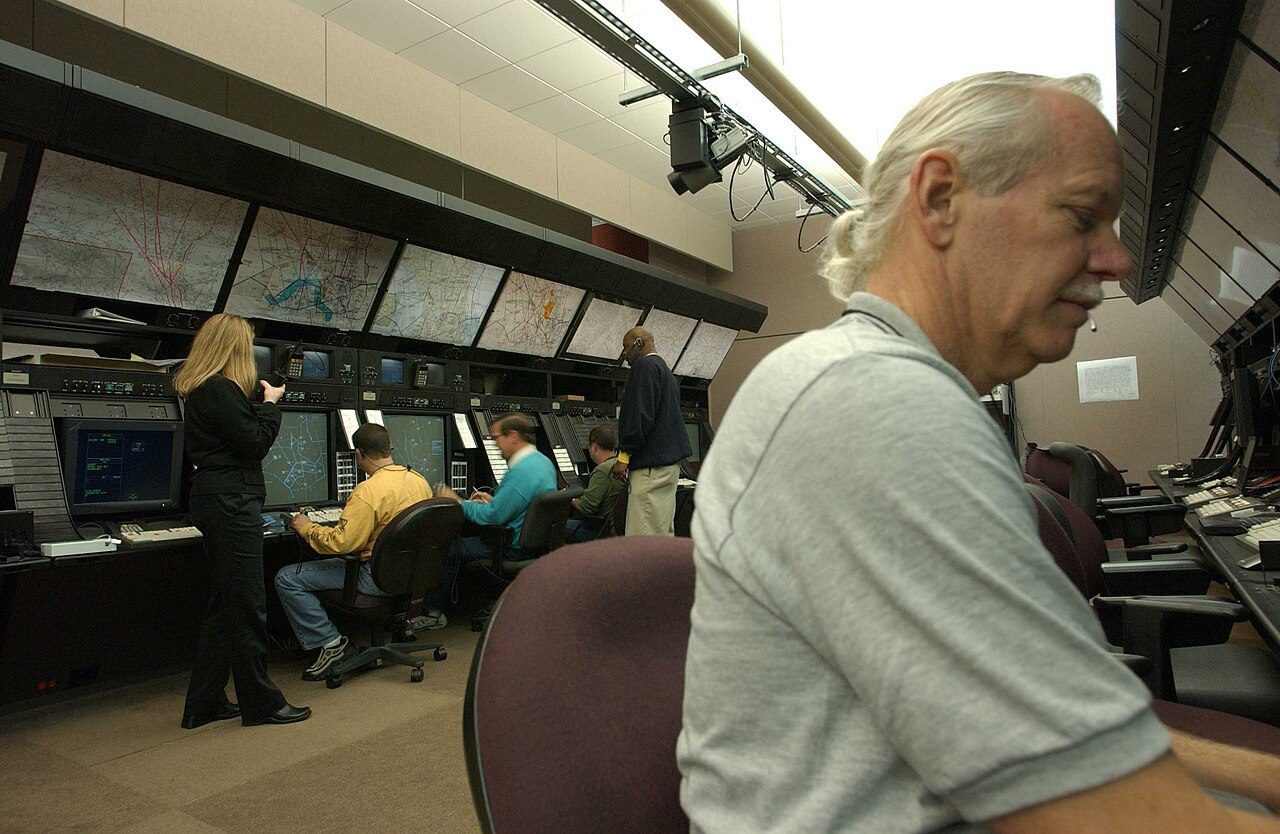
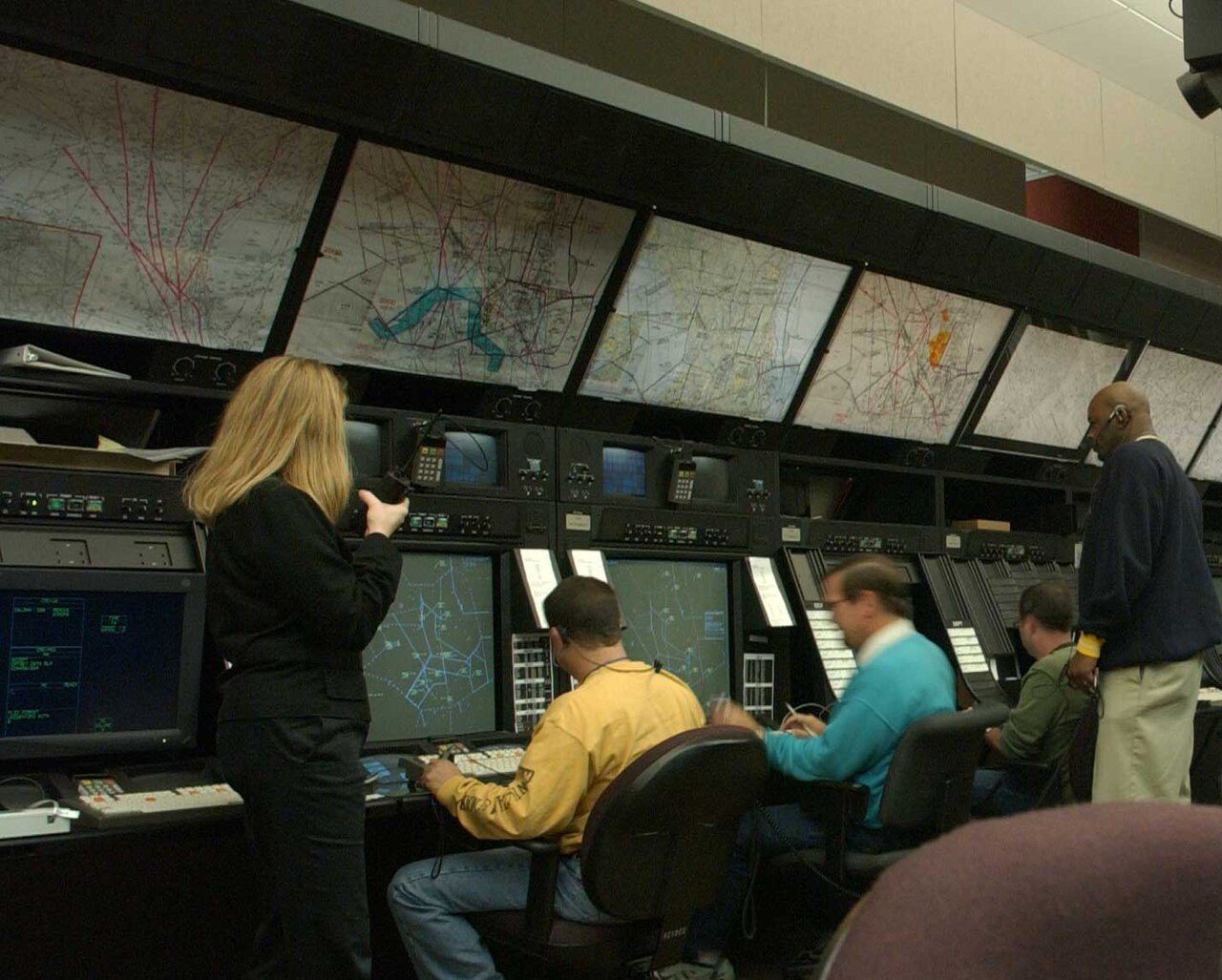
The account has limits. It is the FAA's own explanation, and the agency says it and L3Harris are still investigating the root cause and inconsistencies in the network L3Harris operates. The decision to rule out SMART and the modernization work has not been checked against independent sources in this article, and the figures may be revised. Travelers can check airport status at nasstatus.faa.gov or with their airlines. The photograph is a file image of controllers at the Washington en route center, not a picture from 13 November.