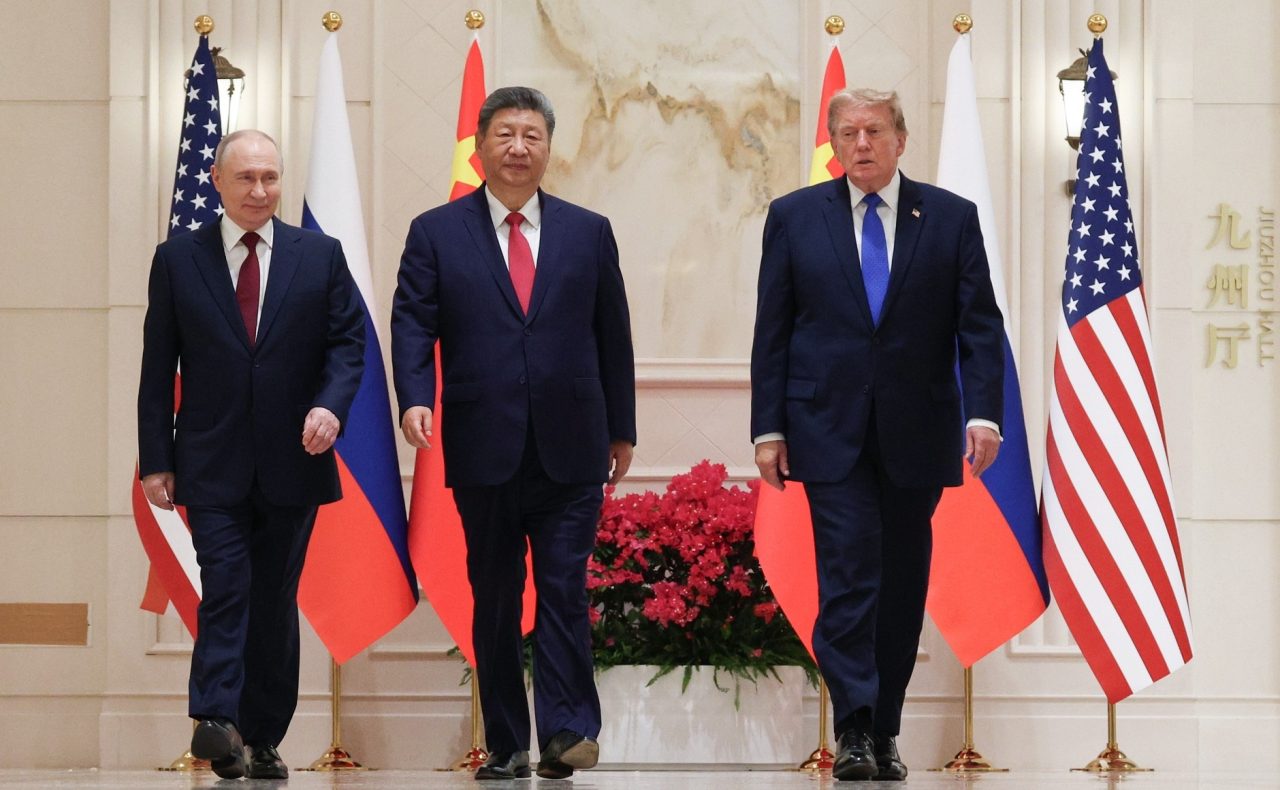
Trump, Xi and Putin plan first-ever three-way meeting at Shenzhen APEC
The White House and Kremlin have confirmed a planned meeting of the three leaders on the sidelines of APEC in Shenzhen, with nuclear arms control and the Iran war on the agenda and low expectations of a deal.
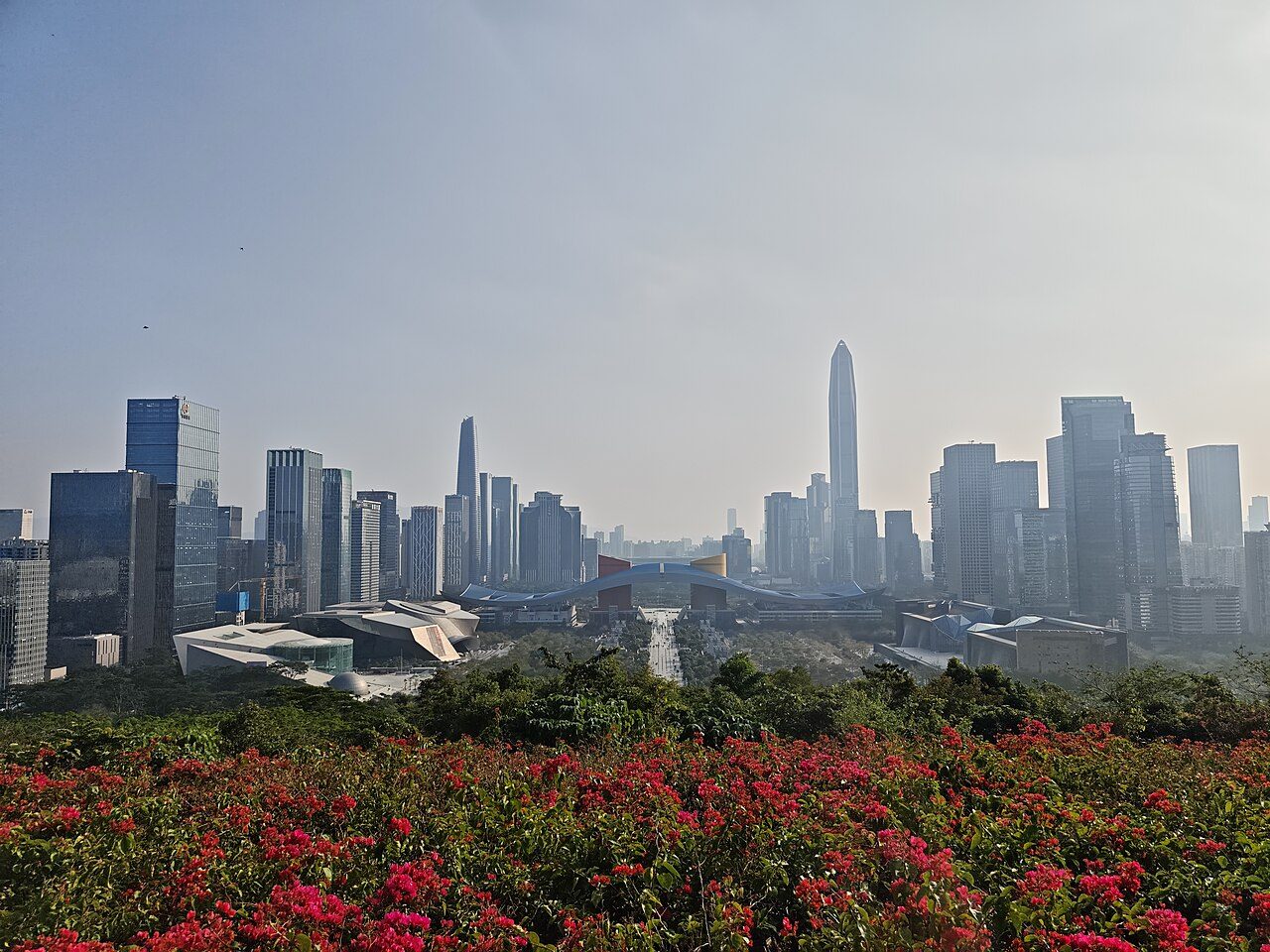
The leaders of the United States, China and Russia plan to meet together on the sidelines of the Asia-Pacific Economic Cooperation summit in Shenzhen, China, according to the Associated Press. The White House confirmed the plan on Friday, Nov. 14, and the Kremlin confirmed it the next day. The meeting is set for Thursday, the AP reported, and would bring together the heads of the world's three largest nuclear powers in one room for the first time.
The idea is not new. On Sept. 1, Kremlin aide Yuri Ushakov said a three-way meeting of Vladimir Putin, Donald Trump and Xi Jinping was being considered around the APEC summit, which the Kyiv Independent reported is scheduled for Nov. 18-19 in Shenzhen. Ushakov gave no further details at the time, and it was unclear whether all three sides had agreed.
A senior U.S. official told the AP that Trump will discuss the U.S. war with Iran with Xi and Putin but will steer away from Ukraine. Trump also wants a three-way agreement on nuclear arsenals. The official called the meeting the beginning of what the U.S. hopes will be a conversation on disarmament, said no agreements are expected to be announced, and said Washington wants China to step up to the table on nuclear issues.
The nuclear backdrop matters. New START, the treaty capping the U.S. and Russian arsenals, expired in February. Trump rejected a Russian proposal to extend it for a year and called for a new deal that includes China. According to Pentagon estimates cited by the AP, China has more than 600 warheads, against more than 5,000 each for the United States and Russia, and Beijing has shown little interest in a nuclear pact.
The diplomatic history among the three is uneven. The AP counts more than 40 meetings between Putin and Xi since 2013, seven between Trump and Putin, most recently in Alaska in August 2025, and eight face-to-face talks between Trump and Xi, including Xi's September state visit to Washington. Trump has warmed to Xi since a truce ended a short trade war last year, while pursuing ties with Putin even as the war in Ukraine nears its fifth year.
Reactions are mixed. Kremlin spokesman Dmitry Peskov rejected comparisons to the 1945 Yalta Conference, saying any agreements reached in Shenzhen could not be imposed on others. The AP reports that Ukrainian President Volodymyr Zelenskyy worries the meeting could be used to discuss a Ukraine deal without Kyiv. Edgard Kagan of the Center for Strategic and International Studies told the AP the meeting signals Putin's wish to be treated as a co-decider on Ukraine, something Ukraine and Europe dislike, while Nanyang Technological University's Hoo Tiang Boon said it cuts against China's support for multilateralism.
Analysts quoted by the AP expect more symbolism than substance, and the meeting could overshadow APEC itself, which brings together 21 economies, and complicate China's image as a defender of free trade. What the leaders actually agree to, if anything, will only be known after they meet; the details of format and agenda come from officials and have not been independently confirmed by PRISM.
 프리즘코리아 편집국 > Adrian Cole