The musicians and engineers behind ‘Patient Zero’ are a different crew from its video
Apple Music’s published credits for Taylor Swift’s “Patient Zero” name the players and engineers behind the recording, from violin and pedal steel to mixing and mastering. Swift, Max Martin and Shellback share songwriting and production credits. Those audio roles answer a different question from the recently published music-video credits, and neither list by itself reveals how a particular sound was made in the studio.

Taylor Swift’s “Patient Zero” has attracted attention as a music video, but the people credited for the recording tell a separate production story. Apple Music’s song page names Swift on vocals, Max Martin on programming, keyboards and piano, and Shellback on programming, keyboards and drums. It also credits Fredrik Burstedt on violin, Anders Pettersson on pedal steel guitar and mandolin, and Andreas Wiberg on acoustic guitar. The list makes clear that the release is credited to more performers than the singer alone, without identifying which notes or passages each person played.
The distinction matters because video production and audio production can be conflated under one song title. Swift’s official directed-project listing gives the “Patient Zero” video a cinematographer, editor, art director and visual-effects team. Apple Music’s song page instead separates performing artists, composition and lyrics, and production and engineering. Emmanuel Lubezki’s cinematography credit describes work on the image, for example; it should not be read as a credit for recording the track. Similarly, the audio credits cannot establish who designed a shot in the video.
For the composition itself, Apple Music names Swift, Martin and Shellback as songwriters. It names the same three as producers. The overlap shows that the published credits assign those people responsibility in both songwriting and production, but it does not quantify anyone’s share of either task. The page lists Martin and Shellback as recording engineers as well, alongside Lasse Mårtén. A recording-engineer credit identifies a technical role in capturing recorded material; the public list does not say which session, microphone or instrument each engineer handled.
The later stages of the record have their own named contributors. Apple Music credits Serban Ghenea as mixing engineer, Bryce Bordone as assistant mixing engineer, and Randy Merrill as mastering engineer. Mixing and mastering are different stages: a mix organizes and balances recorded elements into a finished track, while mastering prepares that finished recording for delivery. These descriptions explain the roles attached to the credits; they are not a claim that the published page documents the exact decisions made by Ghenea, Bordone or Merrill on this song.
Apple Music lists “Patient Zero” as a 3-minute-45-second track on the 16-song expanded album The Life of a Showgirl: The Encore, dated September 24, 2026 on its US storefront. Its album notes describe four new tracks made for the expanded edition and call out the violin-colored sound of “Patient Zero.” Those notes provide context for why a violinist appears among the song’s credited performers. They do not prove when each instrumental part was recorded or whether every instrument audible to a listener was captured in the way an album description suggests. Storefront dates also need not be treated as a universal local release time.
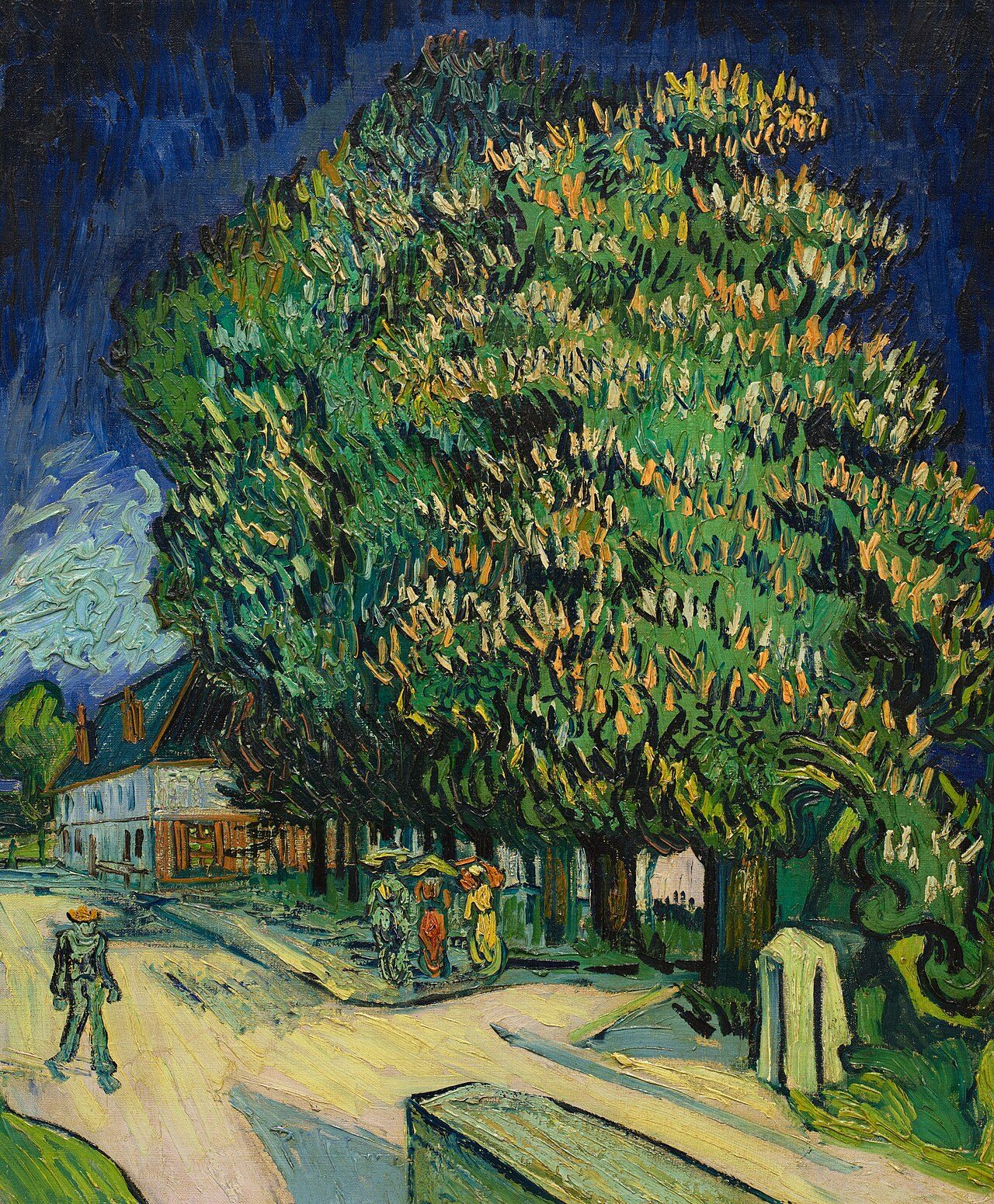
This account adds an audio-production question to two existing English reports on the same release: one examined provisional UK chart positions, and another identified the music-video production team. None of those lists is a studio diary or an interview with the musicians. The strongest claim the primary credits support is who is publicly credited, in which roles, for the released recording. The accompanying image is a newly generated conceptual illustration of layered recording and mixing. It is not a photograph of a Swift session, the actual instruments used there, or an audio waveform from “Patient Zero.”
 프리즘코리아 편집국 > Maya Collins