Van Gogh Sale Goes Ahead After Last-Minute Deal With Fischer Heirs
Sotheby's announced a settlement between the Blaquier-Arrieta family and the Fischer heirs over Van Gogh's 'Blossoming Chestnut Trees' the day before its New York sale, leaving the terms undisclosed.
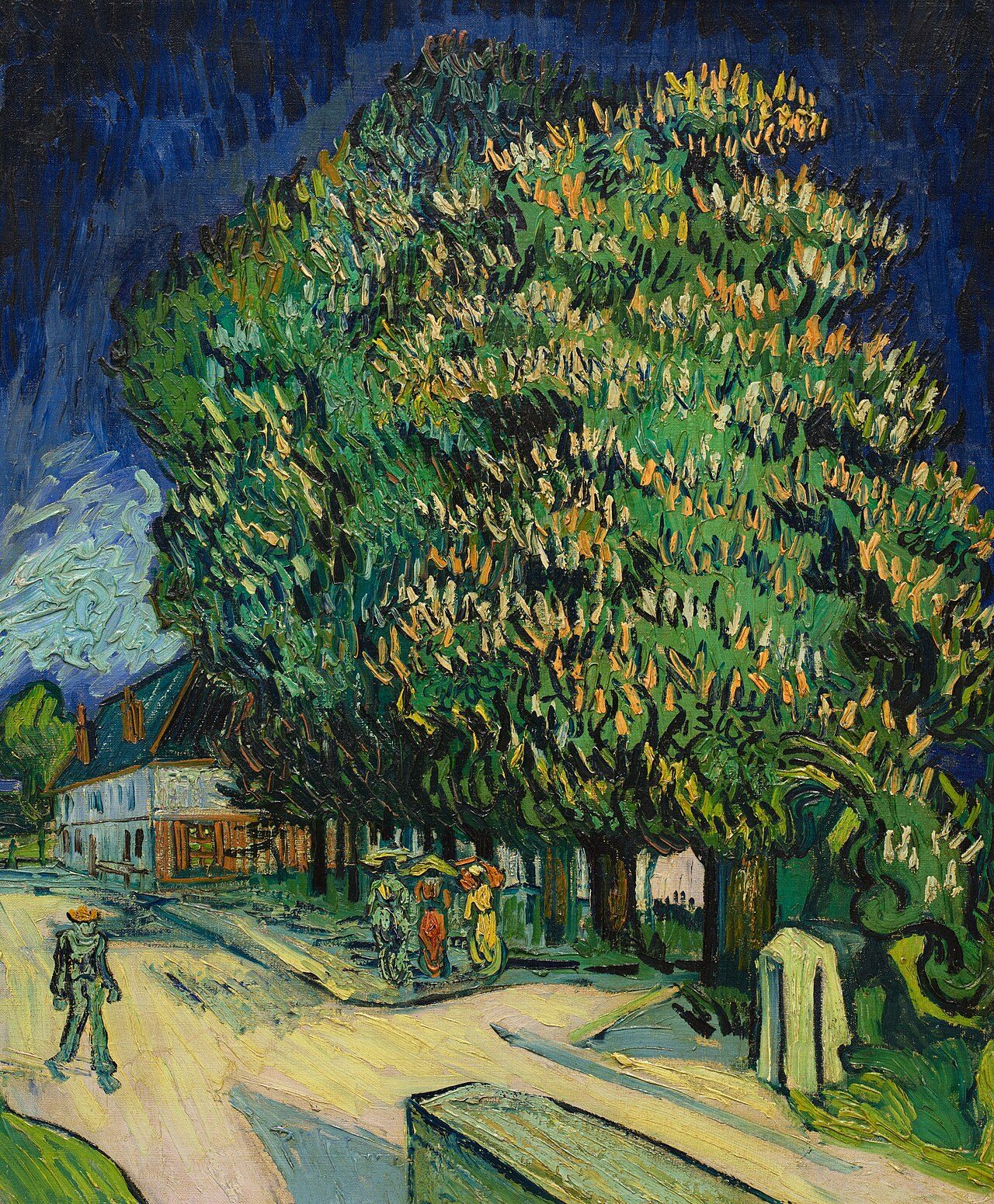
Sotheby's said on 17 November that an agreement had been reached between the Blaquier-Arrieta family, the painting's owners, and "all of the legal descendants" of Samuel and Hedwig Fischer over Vincent van Gogh's Blossoming Chestnut Trees (Châtaigniers en fleurs). The auction house said the sale in New York would proceed on 18 November as planned, according to The Art Newspaper.
Van Gogh painted the work in Auvers in May 1890, weeks before his death. Sotheby's estimates it at about $180 million, or about $207 million with fees, and has guaranteed the sale. A result at that level would beat the artist's auction record of $117.2 million, set at Christie's in 2022 for Orchard with Cypresses.
The dispute became public only days before the sale. On 12 November, Berlin-based restitution researcher Gunnar Schnabel wrote to Sotheby's on behalf of the Fischer heirs. He questioned a 1936 sale that, the heirs say, took place three months after the family left Berlin for Vienna, and asked Sotheby's to show that the price reflected market value and that the sale would have happened without Nazi pressure. DutchNews reported that he wrote that "no auction may take place" otherwise. He also asked for a delay.
The catalogue provenance runs as follows. Samuel and Hedwig Fischer, Berlin publishers, acquired the painting in 1909. Around 1932 or 1933 their son-in-law, Gottfried Bermann Fischer, deposited it with the Paul Cassirer gallery in Amsterdam. In 1936 it was bought by Paris collectors Henriette and Marcel Kapferer. The Blaquier-Arrieta family of Argentina bought it in 1975, and DutchNews reports it has not been shown publicly since 1964.
Until the settlement, Sotheby's maintained that its research had not shown the painting was sold under duress. It said the work sold for 68,000 Swiss francs in June 1936 and called that a "good price", according to DutchNews. In the settlement announcement, Sotheby's described "a mutually satisfactory resolution". The Fischer heirs thanked the other side for a "trusting and fair negotiation", and the Blaquier-Arrieta family called it "an amicable resolution".
Cases like this rest on international guidelines, backed by the Netherlands and the United States, under which sales made under financial pressure from Nazi persecution can be treated as involuntary. The guidelines are not legally binding. Their practical weight here is visible: a claim raised under a week before a nine-figure sale led to a negotiated outcome rather than a withdrawal or a court fight.
What remains unknown is considerable. The terms of the agreement have not been disclosed, including whether the Fischer heirs will receive financial compensation. Whether the dispute affects bidding, and whether the painting reaches its estimate or sets a record, will only be known once the auction concludes; this article was prepared before the result was reported.
 프리즘코리아 편집국 > Maya Collins