Tajani Data Leak: What Italy Has Confirmed, and What It Hasn't
Italy's foreign minister says his personal data has been posted on the dark web and the prime minister blames pro-Russian hackers, but the content of the leak, its source and the culprits remain unpublished.
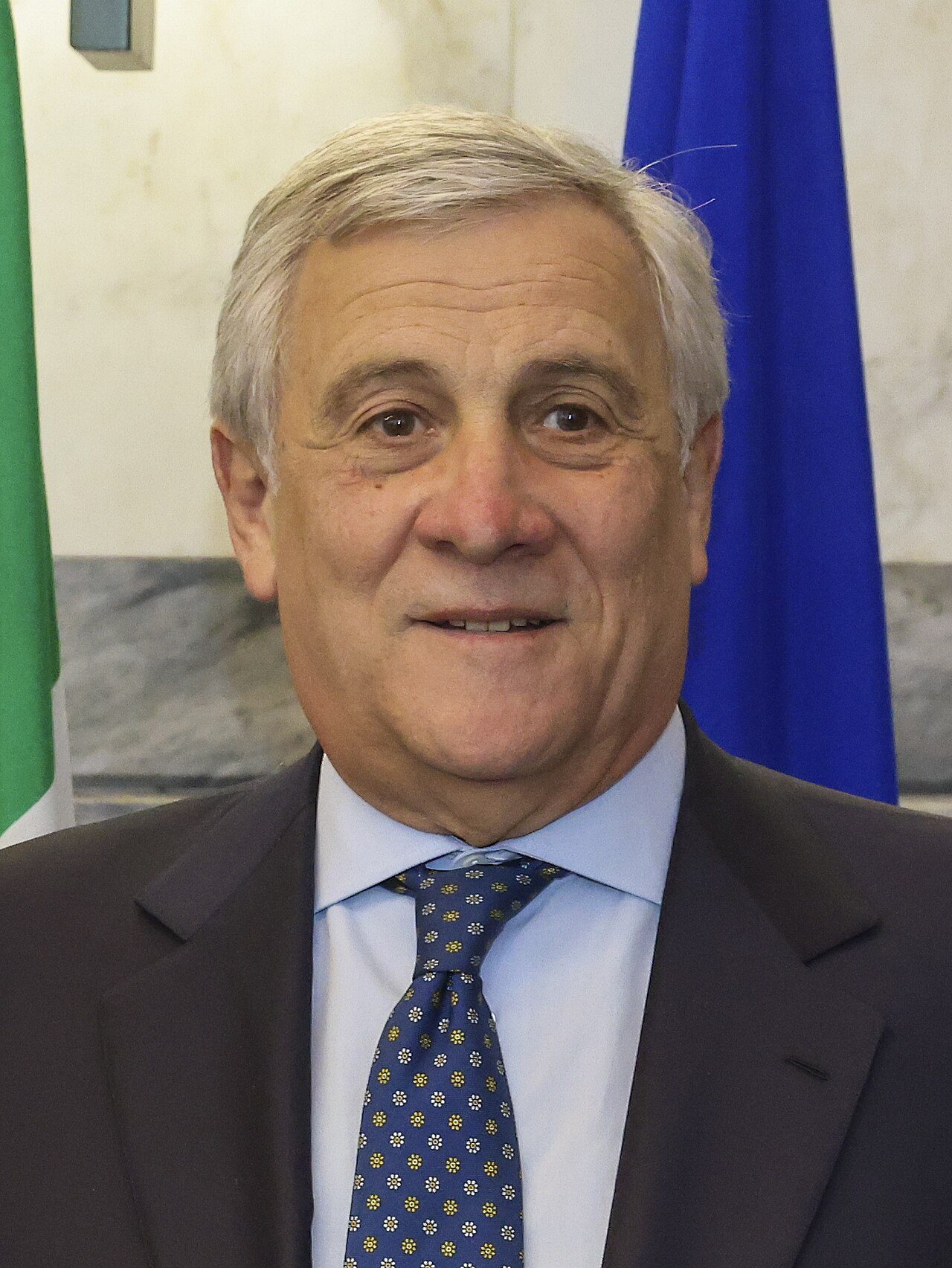
Italian Deputy Prime Minister and Foreign Minister Antonio Tajani said in a social media post on Saturday, Nov. 7, 2026, that cybercriminals had been publishing his personal data on the dark web for several days. According to Al Jazeera, citing AFP, he said the criminals were "effectively exposing me to new threats and intimidation." The Associated Press, in a report carried by CTV News, described the dark web as an encrypted part of the internet.
Tajani said the group was "willing to pay for more details about me and my loved ones" and that he "will not be intimidated in any way," Al Jazeera reported. He did not specify what information had been shared, and the reports reviewed do not say.
Prime Minister Giorgia Meloni expressed solidarity with Tajani and blamed pro-Russian hackers, according to both Al Jazeera and AP. Al Jazeera reported that she described attempts to sell confidential information about government officials as a serious concern requiring firm action. The reports reviewed do not name a specific hacking group or set out the evidence behind the attribution.
Tajani offered his own reading of the motive. He said Italy's position on Ukraine, which he framed as backing a sovereign state's independence, is "dangerous in the eyes of these criminal entities," and suggested the leak could also be a reaction to government efforts to strengthen the Foreign Ministry's digital defenses. That is the minister's interpretation, not an established finding. He said the threat is ongoing and that the ministry is taking it seriously and coordinating with allied countries.
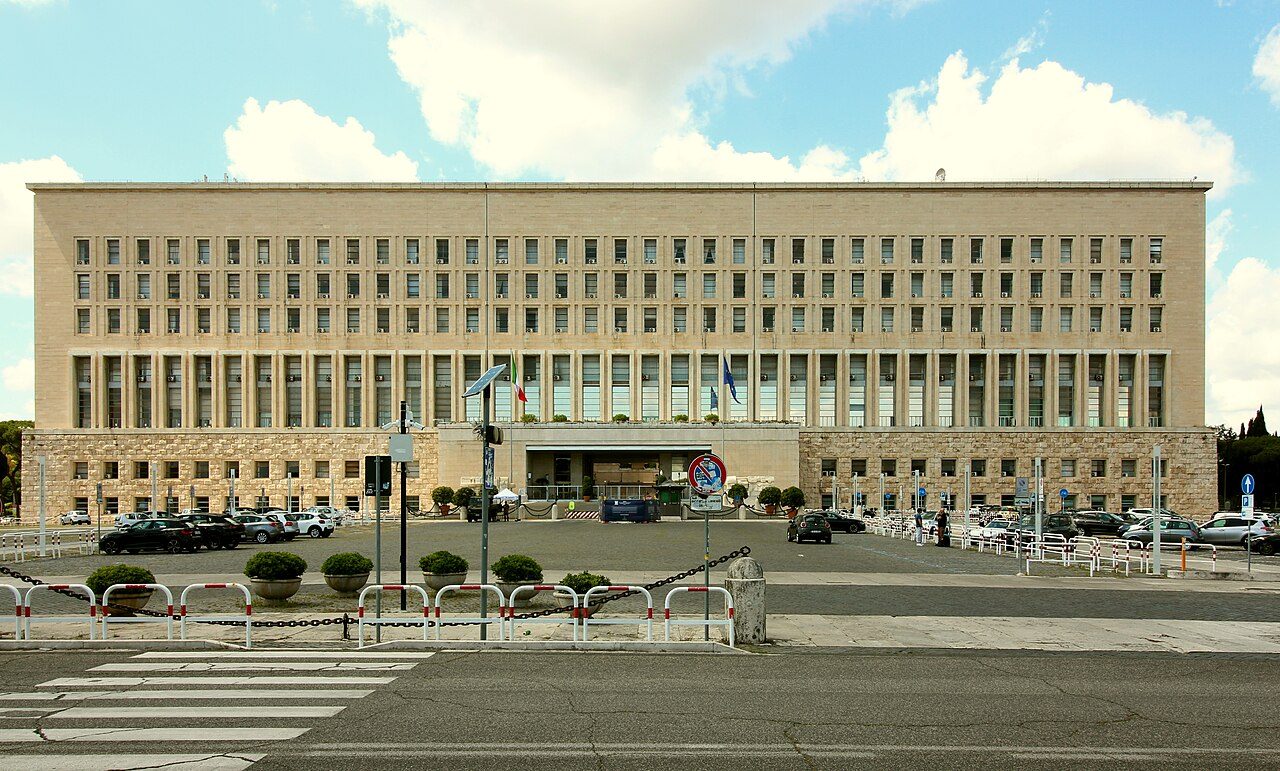
The ministry had already been in the spotlight a month earlier. Euronews reported on Oct. 8, 2026, that the website of the Foreign Ministry, known as the Farnesina, was hit by what initial reports indicated was a distributed denial-of-service (DDoS) attack, which floods a site with bogus traffic. Italian news agencies said the pro-Russian group NoName057(16) was likely responsible, but the ministry did not confirm that. The ministry said the attack was effectively mitigated without disruption. Tajani said at the time that Italy would work with Romania and other EU members to propose, at upcoming European meetings, that those responsible for cyberattacks be formally designated, and that the websites of Italian embassies and consulates were being checked for a suspected similar attack.
The two episodes differ in kind: a DDoS attack can knock a website offline without taking any data, while publishing a minister's personal information and offering to pay for details about his family targets an individual. That comparison is this newsroom's observation, and none of the reports reviewed says the same actor was behind both. Al Jazeera placed the leak within a wave of recent incidents in Europe, including hoax bomb threats and security alerts, but its article does not link them to Tajani's case.
Key questions remain unanswered in the reporting reviewed: what data was exposed, how it was obtained, who posted it, and whether any investigation has produced results. What is confirmed is limited to a sitting foreign minister publicly acknowledging the leak and the threats, and the prime minister pointing to pro-Russian hackers. The next markers to watch are any findings from Italian authorities and whether the EU-level push to name those behind cyberattacks takes concrete shape.
 프리즘코리아 편집국 > Adrian Cole