
Spain's housing strike: unions, employers and police give three different counts
After Spain's first joint CCOO–UGT general strike in 14 years, turnout, protest-size and arrest figures diverged sharply by source, and the unions said they would take legal action over the policing.
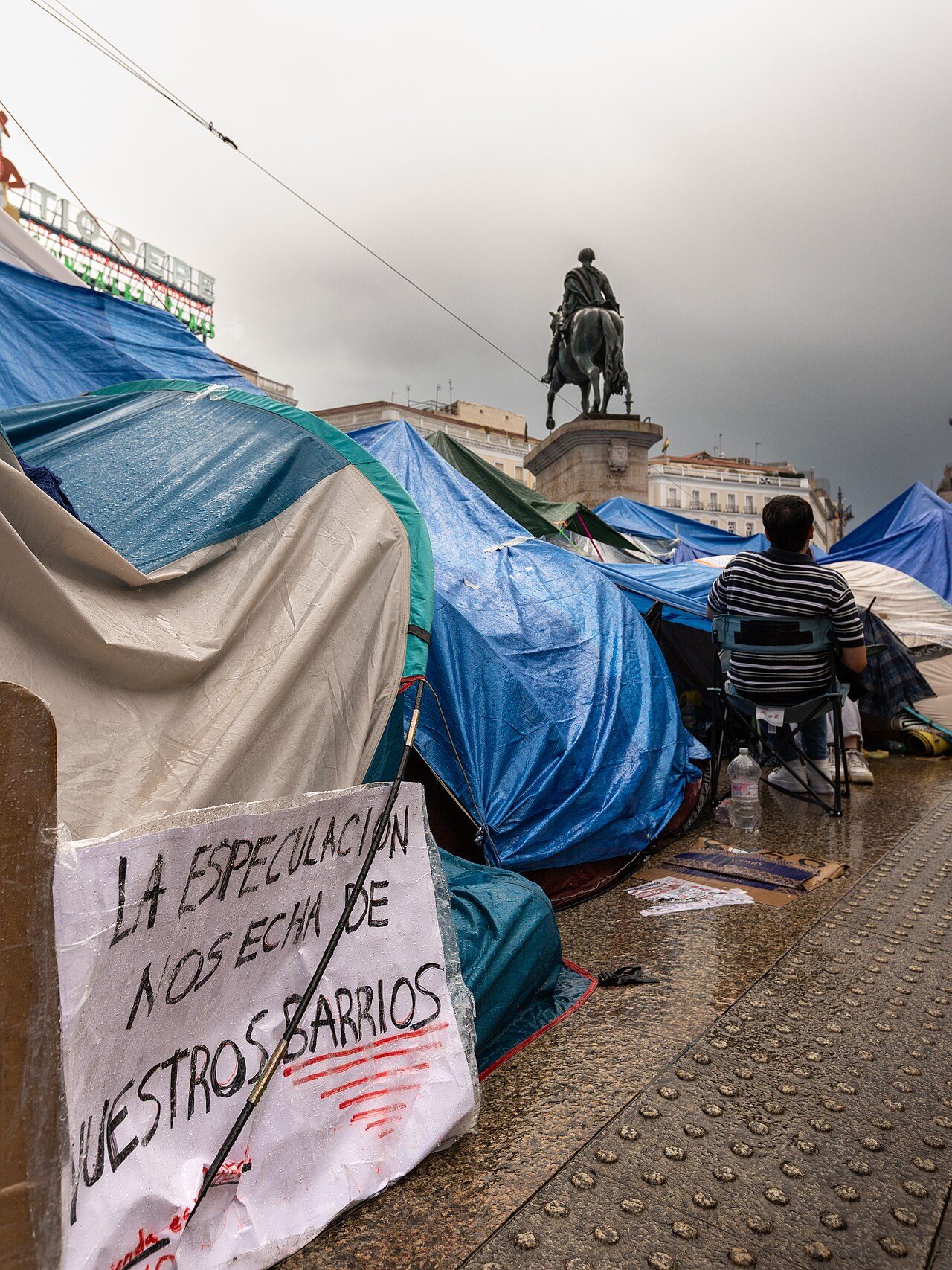
Spain's two largest unions, CCOO and UGT, joined tenants' groups on Wednesday, 11 November 2026, for a 24-hour general strike over rents, wages and prices under the slogan "Wages, housing and prices". It was the first general strike backed jointly by both unions in 14 years, and it fell less than three weeks before the 29 November general election, according to Spain in English's day-of report and earlier coverage by idealista and Catalan News.
The movement behind it grew out of the eviction of Maricarmen Abascal, an 87-year-old Madrid resident removed from her home of about 70 years, who died in October. Tenants' groups called the strike, and the big unions then backed it and added wage demands of 4% to 7% rises, rent limits, a permanent stock of protected public housing and effective enforcement of the Right to Housing Law, per idealista. Catalan News reported that the date was announced on 7 October and falls two days before the official election campaign opens on 13 November.
As is usual after a strike, the headline numbers depended on who was counting. Spain in English reported that the central government's delegation put the Madrid march at about 120,000, Barcelona municipal police counted 55,000 and housing activists claimed 400,000, while state broadcaster RTVE gave 40,000 for Valencia. Heavy rain led CCOO and UGT to cancel marches in Seville, Cádiz, Huelva and Córdoba, although thousands still protested elsewhere in Andalusia.
On participation, the tenants' union claimed four million people took part and expected more than five million by the end of the day. CCOO and UGT gave no overall figure, but cited sector claims of about 90% in automotive and ports, 85% in meat processing, 82% in waste collection and 75% in energy. Production reportedly stopped at SEAT in Martorell and at Volkswagen in Navarre. The unions said the strike exceeded their expectations while acknowledging that participation varied by region and industry.
Employers' groups CEOE and Cepyme called the strike a "failure" and estimated average participation below 5%. They pointed to electricity demand at 5pm that was 4.7% below the grid operator's forecast. Spanish media separately reported that demand fell by as much as 15.5% between 10am and 11am. Airport operator Aena said about 5% of scheduled flights were cancelled, and Madrid's metro recorded 42% fewer peak-hour passengers than a week earlier. Those operational figures are the least contested, though none settles the disagreement over how many people actually stopped work.
The day also brought clashes. According to the same report, at least 13 people needed medical attention at the Mercamadrid wholesale market after police used pepper spray, and riot police later used rubber bullets and pepper spray on Madrid's Gran Vía. In Barcelona, hooded protesters smashed shop windows on Passeig de Gràcia after the march, and RTVE reported 18 arrests there. The Interior Ministry logged 919 strike-related incidents nationwide, and tallies of arrests ranged from at least 52 (Europa Press) to more than 60 (RTVE).
CCOO and UGT said they would take legal action over the police response, with UGT's Pepe Álvarez arguing that officers had a duty to guarantee the right to strike. Labour Minister Yolanda Díaz called the strike a success, government sources said they respected both strikers and non-strikers, and the opposition People's Party called it "absurd" and "electoral".
The disputed numbers matter because both sides are staking political claims on them: organisers' turnout claims, employers' participation estimates and the electricity-demand data measure different things, so they are hard to compare directly. Whether the strike moves votes on 29 November is also open to question.
The figures here come mainly from a single English-language roundup that itself draws on wire and broadcaster reports; the Interior Ministry, Aena, grid-operator and RTVE numbers could not be checked against primary releases, and final arrest and incident totals may change. It is also unclear how much of the unions' housing agenda, such as rent limits and public housing, lies with regional and municipal governments rather than Madrid, which will shape what follows the election.
 프리즘코리아 편집국 > 森川結衣 · Yui Morikawa




