
Spain's housing decree sets a 30% affordability test, but delivery needs further rules
Spain's Royal Decree-Law 26/2026 defines affordable housing by a ceiling tied to 30% of a municipality's median household-unit income. It also establishes a social-impact housing fund and authorizes up to €2 billion in partial loan guarantees. The law leaves provider certification and financing terms for later implementation, while Congress is scheduled to decide whether to ratify it on 2 October.
Spain's new emergency housing package contains a precise test for the word “affordable.” Under Article 14 of Royal Decree-Law 26/2026, the price of a home for sale or rent, including associated charges, must not exceed 30% of the median income of the usual household unit in the municipality where the property stands. For a rental, charges for annexes cannot be added to lift the price above that threshold. The test uses a local income benchmark, so it is not a single nationwide euro ceiling.
The decree-law, approved by the government on 29 September and published in the Official State Gazette on 30 September, entered into force on 1 October. It is one of two housing decrees scheduled for a ratification or repeal debate in the Congress of Deputies on Friday, 2 October. At the time of this review, the Congress's official notice gave the debate time but no vote result. The measures should therefore be described as in force and facing parliamentary scrutiny, not as already endorsed by legislators.
The affordability definition is paired with a proposed delivery structure. Article 13 creates a Social Impact Housing Fund under the Ministry of Housing and Urban Agenda to finance projects with a positive social impact and attract private investment into innovative housing projects. The fund's legal creation does not itself establish how many homes will be built, which applicants will receive money or a timetable for completed projects. Those outcomes depend on budgets, subsequent rules and individual decisions.
A separate amendment authorizes the ministry to arrange, through agreements with the public credit institute ICO, a line of partial state guarantees of up to €2 billion for loans to public and private developers. The stated purposes are increasing social or affordable rental housing and improving the existing stock used for those purposes. The text permits terms as long as 35 years; eligibility checks and loan conditions are to be set in the ministry-ICO agreements. A guarantee ceiling is a possible maximum of state-backed exposure, not €2 billion already disbursed or a count of approved homes.
Another implementation step concerns who can act as a social provider. An additional provision instructs the government to define, within six months, the recognition or certification procedure for affordable social-housing providers, including cooperatives. That certification is for participation in state programmes or access to financing and specified state tax or procedural benefits. The decree therefore sketches a place for cooperatives, but the detailed test for recognition still has to be written.
The law also points to the state housing entity Casa 47 as a route to enlarge and protect public stock. Its provisions describe transferring suitable state property and some social-security housing to the entity, with the transfer of title to be determined by ministerial order. This is a legal channel for bringing assets into the programme; it is not evidence that every listed asset has already become an available dwelling. Whether buildings are suitable and when residents can occupy them are separate questions.
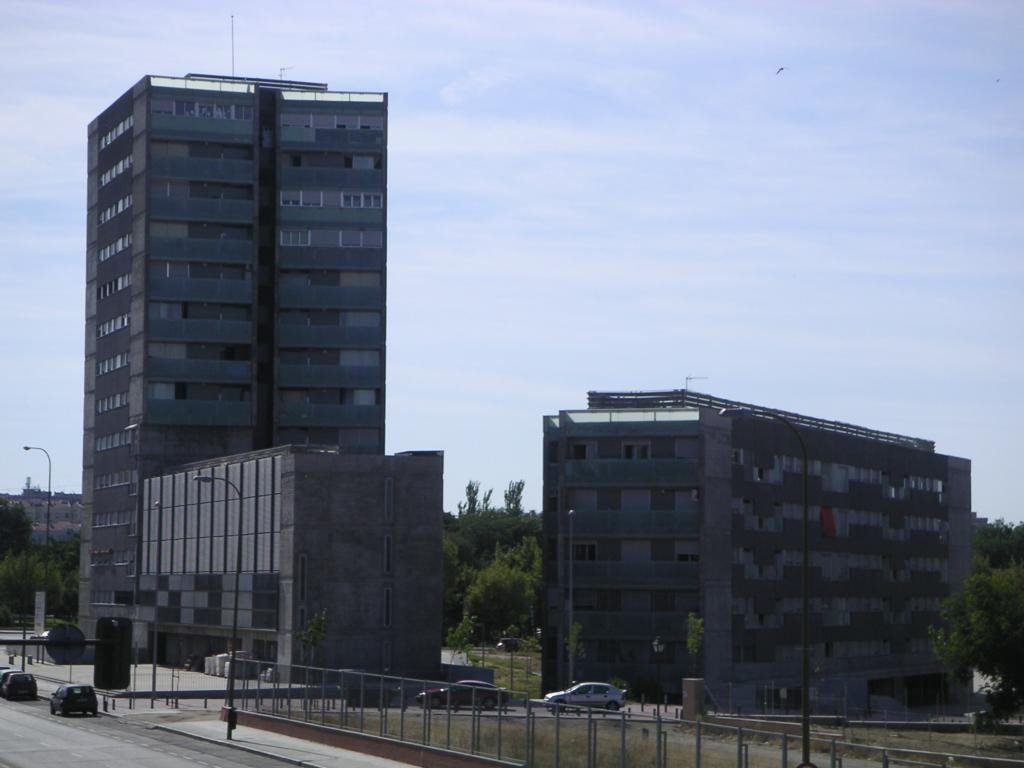
For readers outside Spain, the distinction between an affordability rule and delivery is central. The 30% municipal-income test defines a qualifying price; the new fund, guarantees, provider recognition and property transfers are mechanisms that might increase supply. Their effect cannot be calculated from the decree alone. The Congress vote is the immediate institutional checkpoint, and future ICO agreements, certification regulations and programme records will show how much of the proposed machinery becomes usable housing. A photograph of an existing Madrid housing estate accompanying this article is archival context, not an image of homes delivered under the 2026 decree.
 프리즘코리아 편집국 > 森川結衣 · Yui Morikawa




