Spain's 29 November election: the dates that matter, from postal-vote deadline to investiture
A practical timeline of Spain's general election: campaign, postal-vote and poll-publication deadlines, voting hours, the count, and why a prime minister will not be known on election night.
Spain's election campaign opened at 00:00 on Friday 13 November and runs until 23:59 on Friday 27 November, according to Euronews. Voting is on Sunday 29 November from 9:00 to 20:00, and the Interior Ministry guide published by La Moncloa says anyone inside the polling station or at its entrance at 20:00 can still vote. The decree dissolving parliament was published in the official gazette on 6 October.
The census was closed on 1 August and lists 38,728,356 electors, the Interior Ministry says: 35,958,711 living in Spain and 2,769,645 abroad. About 1,615,127 people in Spain will be eligible to vote in a general election for the first time. To vote in person, a voter needs a DNI (physical or digital through the MiDNI app), a passport or a driving licence with a photo; the receipt for a DNI application is not accepted because it has no photograph.
For those who will not be at their polling station, Euronews gives 19 November as the last day to request a postal vote, at the post office or online with electronic identification, and 26 November as the deadline to send it. The article adds that voters whose postal request is accepted cannot vote in person. Electors abroad are in the census and can vote in person or by post, the ministry says, but its guide does not set out the procedure and points to separate guides.
Two chambers are chosen. The 350-seat Congress is elected from closed party lists, with at least two seats per province, one each for Ceuta and Melilla, and the remaining 248 shared out by population; seats are allocated with the D'Hondt method, the ministry says. The Senate has 209 directly elected seats, with voters choosing individual candidates on a single ballot. A majority in Congress needs 176 seats.
Several rules shape the final days. Euronews reports that publishing opinion polls is banned in the five days before the vote, making Monday 23 November the last day they can appear, and that 28 November is a day of reflection with no campaigning. Workers can take up to four paid hours to vote on election day, the ministry guide says, reduced proportionally for part-time work.
On the night, each polling station counts its own ballots, and Euronews says the first results give a rough picture of the new parliament. The official count continues afterwards. Euronews says the general count by the electoral boards begins from 2 December and includes votes from abroad, while the Interior Ministry says the final count by the Provincial Electoral Boards runs from 4 to 7 December. The two dates probably refer to different stages, though neither source explains the difference.
The new parliament does not meet until 23 December, when the Congress and the Senate hold their constituent sessions at 10:00, according to Euronews. Only then does King Felipe VI consult the parties and propose a candidate for prime minister, who must win an investiture debate in Congress. No date has been set for that debate.
The practical consequence is that election night produces a provisional picture of parliament rather than a new government. This reflects the order set out in the official calendar, not a forecast of the result. Which parties can assemble a majority will depend on the final seat count and on negotiations that, as of today, have no published timetable.
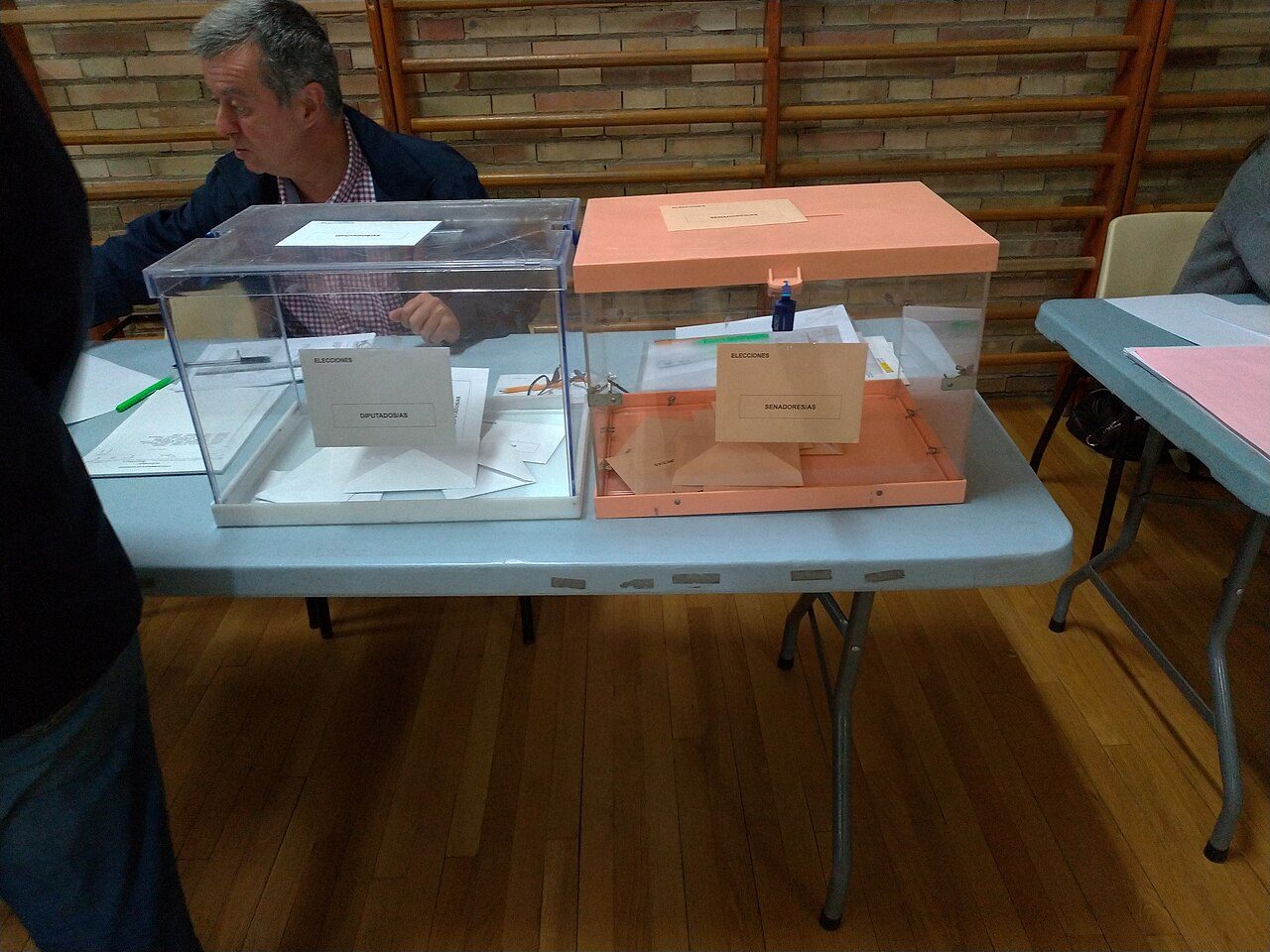
Some details remain open. The sources do not say when the king's consultations will begin after 23 December or how long an investiture could take, and the guide leaves the overseas voting procedure to other pages. This article relies on Euronews and the Interior Ministry guide as reproduced by La Moncloa, and it was not checked against the electoral law itself. The photograph is an archive image from the 2019 election, not from this campaign.
 프리즘코리아 편집국 > Adrian Cole