San Sebastián’s youth jury chose a documentary after a 21-film voting programme
Alessandra Sanguinetti’s The Illusion of an Everlasting Summer won the 74th San Sebastián festival’s DAMA Youth Award. The festival says 150 jurors aged 18 to 25 voted after screenings across a 21-film programme drawn from New Directors and eligible Horizontes Latinos entries. Its published score of 9.32 describes the youth poll; the award is distinct from the official jury’s prizes and the Perlak audience vote.
The DAMA Youth Award at the 74th San Sebastián International Film Festival went to Alessandra Sanguinetti’s La ilusión de un verano sin fin / The Illusion of an Everlasting Summer. The September 26 results also place the film under the Horizontes Make & Mark Award, but the two honours have different decision makers. The youth award is the outcome of a programme judged by young festival participants rather than the festival’s official jury or the wider audience ballot in another section.
A festival announcement dated September 17 says 150 people aged 18 to 25 formed the DAMA jury. Their field comprised 21 films: all entries screening in New Directors plus first or second features by filmmakers represented in Horizontes Latinos. Jurors voted after screenings, and the festival updated ratings and a ranking of favourites each day. The rules make participation voluntary but call for members to watch all eligible titles, at a pace the festival describes as about three films daily. These details show the scale of the assignment without revealing how any individual juror voted.
The festival’s youth award page displays a score of 9.32 beside Sanguinetti’s film and names it as the winner. It also lists scores for the competing titles, including Chicas tristes / Sad Girlz at 8.46 and FLORID at 8.26. Those numbers are the published youth poll, not scores from the official jury and not a representative survey of everyone who bought a festival ticket. The page describes voting several times a day and publication of results through the festival website, daily paper and a screen in the Kursaal hall. It does not publish a breakdown of each juror’s ballot or a detailed account of the jury’s deliberations.
The winning film’s catalogue entry describes the documentary, while leaving any claim about what persuaded voters open. Sanguinetti began filming in 1999, when she invited two nine-year-old neighbours in the Argentine Pampas to share their fantasies. The film follows Guillermina and Belinda across later stages of life, including work and motherhood, according to the festival synopsis. It is a 93-minute, Spanish-language Argentina–United States production in the Horizontes Latinos section. Sanguinetti is credited as director, screenwriter and cinematographer. Those are catalogue facts, not a review based on a viewing of the film.
The composition of the field is important when interpreting the result. Horizontes Latinos can include work by more established filmmakers, yet the youth competition takes first and second features from that section. New Directors contributes its own slate. Calling this a vote on every film at the festival would enlarge the field beyond the 21 titles the September announcement identified. Nor does the youth award displace the separate Kutxabank-New Directors prize: the festival’s results give that prize to Naëmi Ada’s Body of Glass.
Sanguinetti’s film also took the Horizontes Make & Mark Award, which the festival lists separately among its other official awards. The published results do not establish that the same people chose both honours or that one award determined the other. The youth poll’s 9.32 offers a visible measure of the response within its designated jury, but it is not an explanation of the documentary’s aesthetic merit or a prediction of box office demand. The catalogue lists sales and coproduction contacts; it does not by itself establish a theatrical or streaming release date for English-speaking audiences.
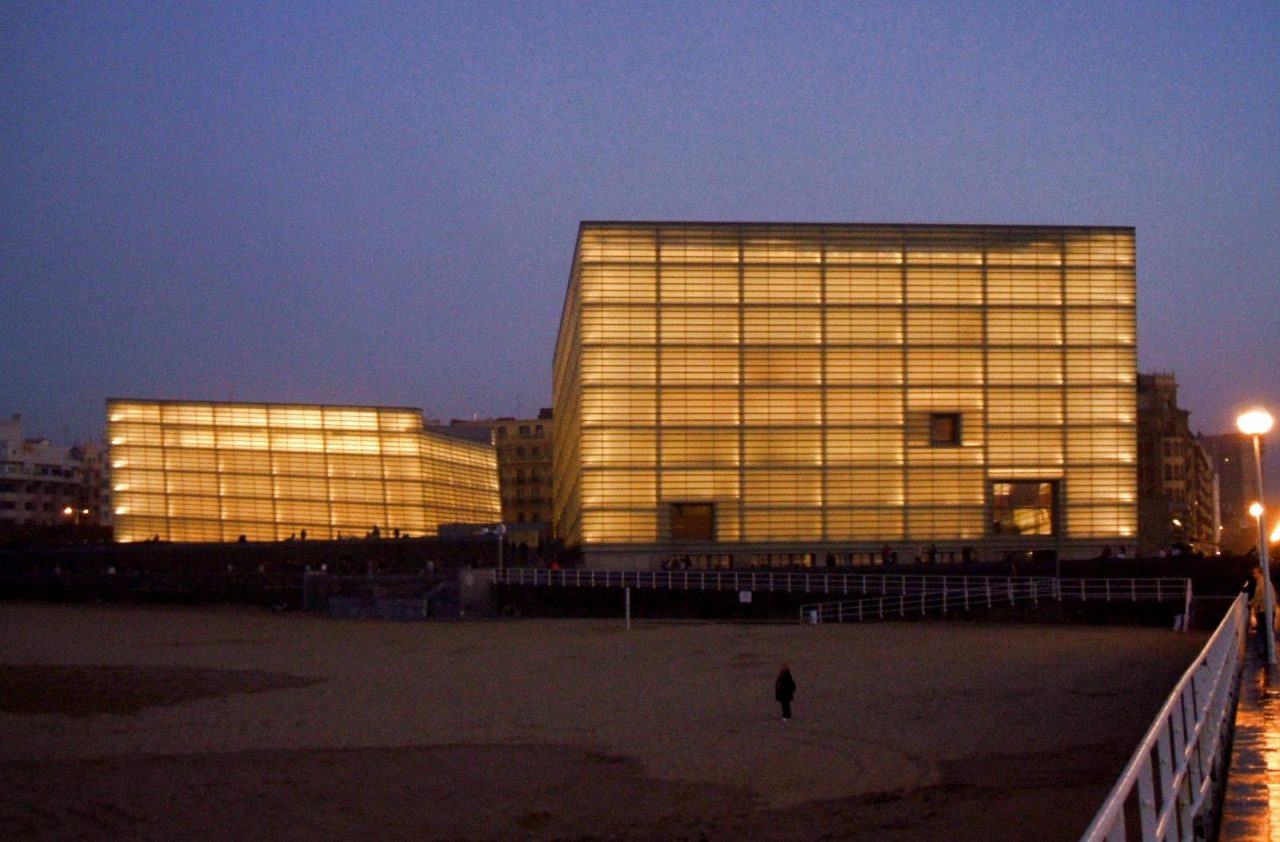
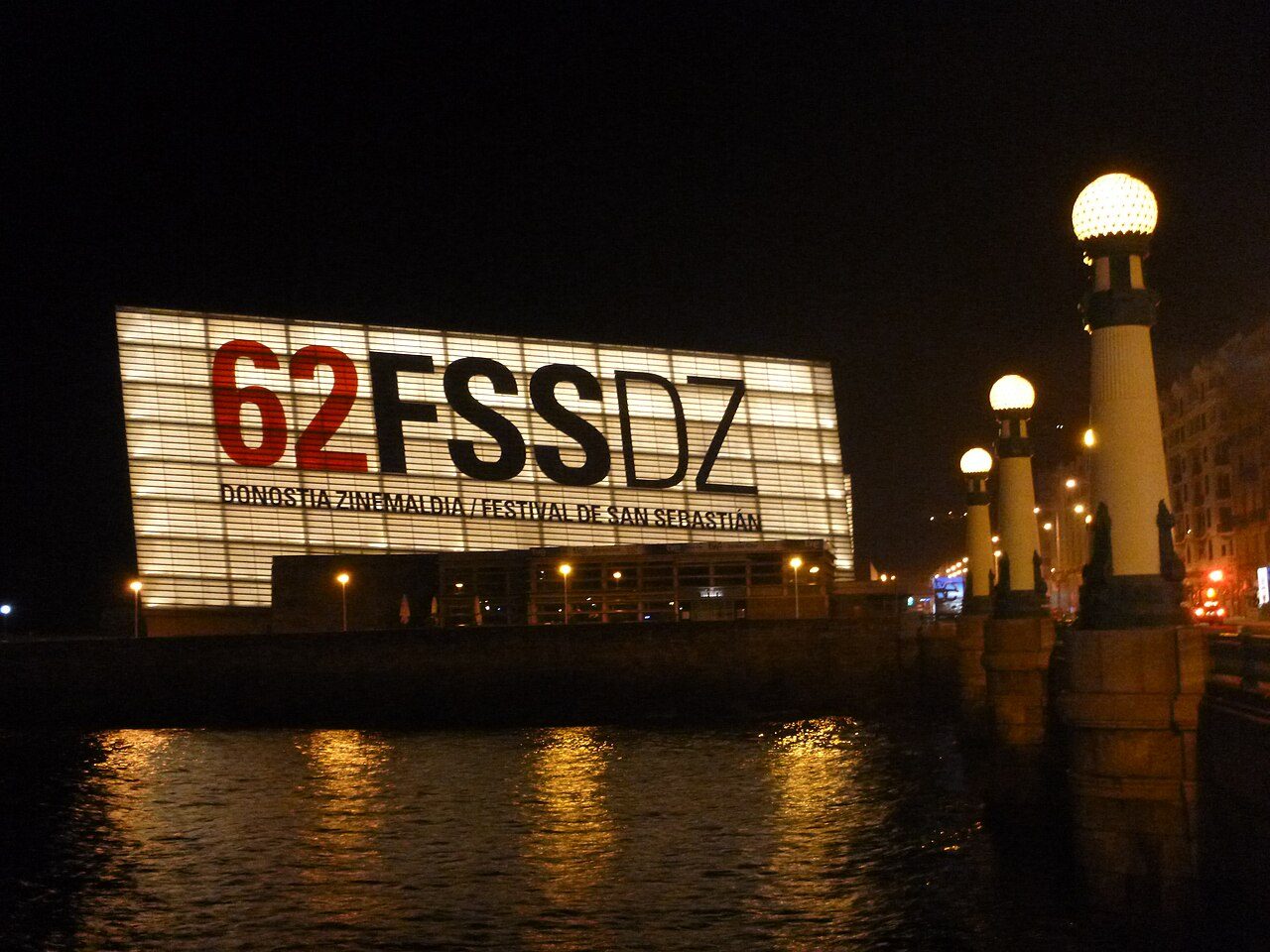
For a reader trying to make sense of the crowded awards list, the defensible conclusion is precise. On September 26 the festival’s announced 150-member youth jury programme yielded one winner, The Illusion of an Everlasting Summer, from a defined set of 21 films. That result says something about one group of young jurors within one festival edition. The accompanying archival photograph depicts the Kursaal during the 2014 festival; it does not show this year’s voters, screening or prize ceremony.
 프리즘코리아 편집국 > Maya Collins