San Sebastián audience awards: how La bola negra and NAZA won separate prizes
La bola negra took San Sebastián’s 2026 Perlak audience award for best film, and NAZA won the European-film category. The festival’s rules show that first-screening audiences decide the prizes, while cash awards are directed to Spanish theatrical distributors subject to a later release condition. Published scores do not reveal vote totals or prove that the money has been paid.
La bola negra won the 2026 City of Donostia / San Sebastián Audience Award for best film, while NAZA took the parallel award for best European film. Both decisions emerged from the Perlak programme, where spectators—not the Official Selection jury—vote after a film’s first public screening. The festival’s September 26 results name Javier Calvo and Javier Ambrossi as directors of La bola negra and Yuval Abraham and Rachel Szor as directors of NAZA. The two titles and two prize categories should be kept separate when reading the festival’s crowded awards list.
The published Audience Award page displays a score of 9.40 next to La bola negra and 9.29 next to NAZA. It places them among the Perlak entries, not among the films judged for the Golden Shell. The page says attendees at each title’s first public screening decide the Audience Award. A numerical score gives readers a way to see the reported ranking, but the page does not supply a vote count or the demographic makeup of those audiences. It would be a leap to call either result a poll of all festival visitors or of international moviegoers.
The 2026 Perlak regulations explain why a European film can appear on both parts of the ballot. The first prize, for best film, carries €50,000 gross; the second, for best European film, carries €20,000 gross. If a wholly or partly European production wins the first prize, the European award goes to the eligible film with the next highest audience vote. La bola negra is listed as a Spain–France production and NAZA as a UK production. Their separate wins therefore fit the two-tier rule; they are not an official jury’s first and second choices.
The prize money also needs a more careful reading than the phrase ‘the directors won €70,000’ would allow. The rules designate the Spanish distributor of each winning film as the recipient. A film without a Spanish theatrical distributor would instead have its prize directed to the filmmaker, and the festival sets a one-month window after the edition ends to notify it of a distributor. The two film catalogue pages currently list Elastica under distribution. That listing identifies a company in the release chain; it does not prove that either cash prize has already been paid.
Under Article 16 of the same regulations, the relevant distributor receives the cash on showing that the winning film has opened commercially in cinemas in at least two Spanish towns or cities within one year of the festival’s end. The award announcement on September 26 verifies the winning titles, while that later release requirement governs payment. For readers outside Spain, the arrangement is a reminder that this is a distribution incentive tied to Spanish cinemas, not a grant automatically available to watch or license the films in another country.
The festival catalogue describes La bola negra as a 159-minute film spanning three linked men’s lives across different eras, with sexuality, desire, pain and inheritance in its synopsis. It credits Calvo, Ambrossi and Alberto Conejero with the screenplay. NAZA is catalogued as an 80-minute UK film directed and written by Abraham and Szor. The festival’s description concerns the film’s treatment of the war in Gaza; this report is about the audience-prize mechanism and does not treat a programme synopsis as independent verification of claims made within the documentary.
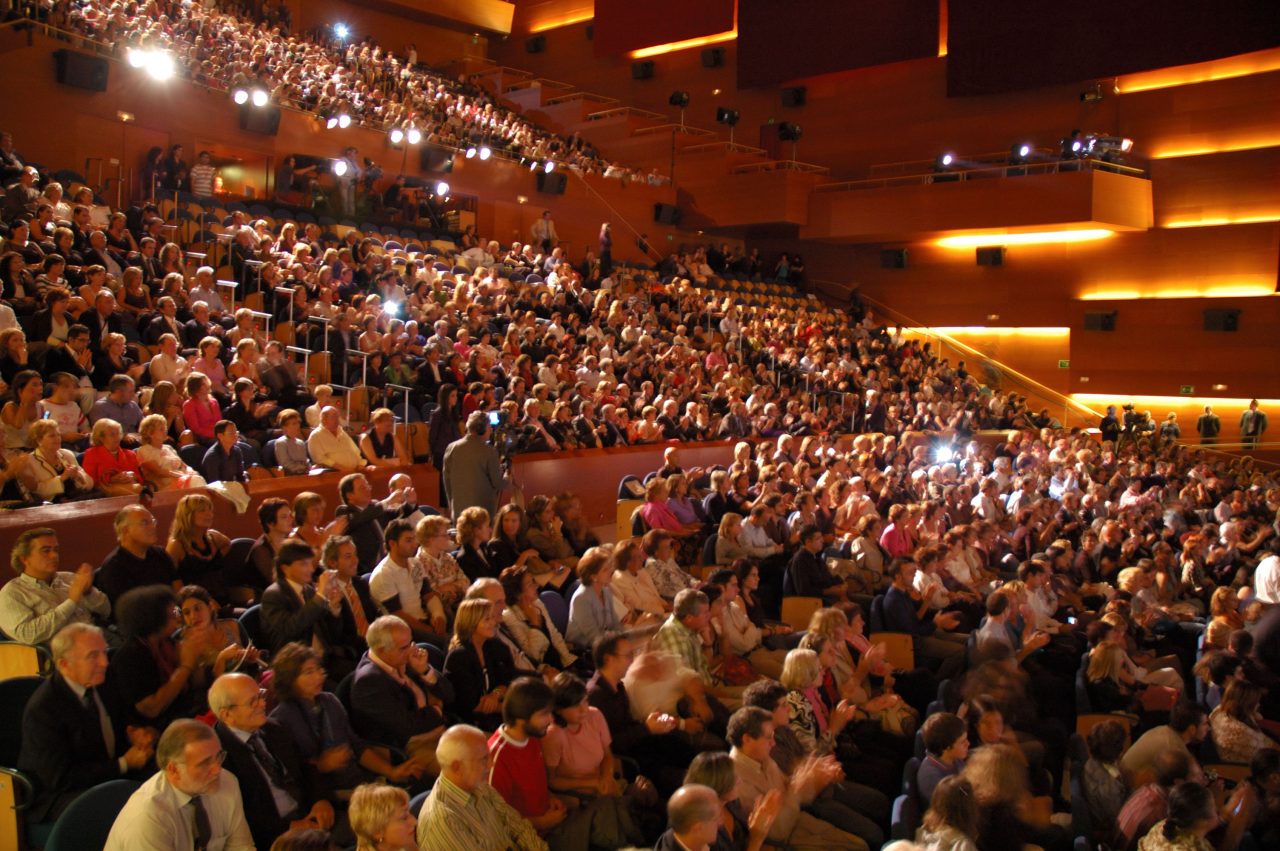
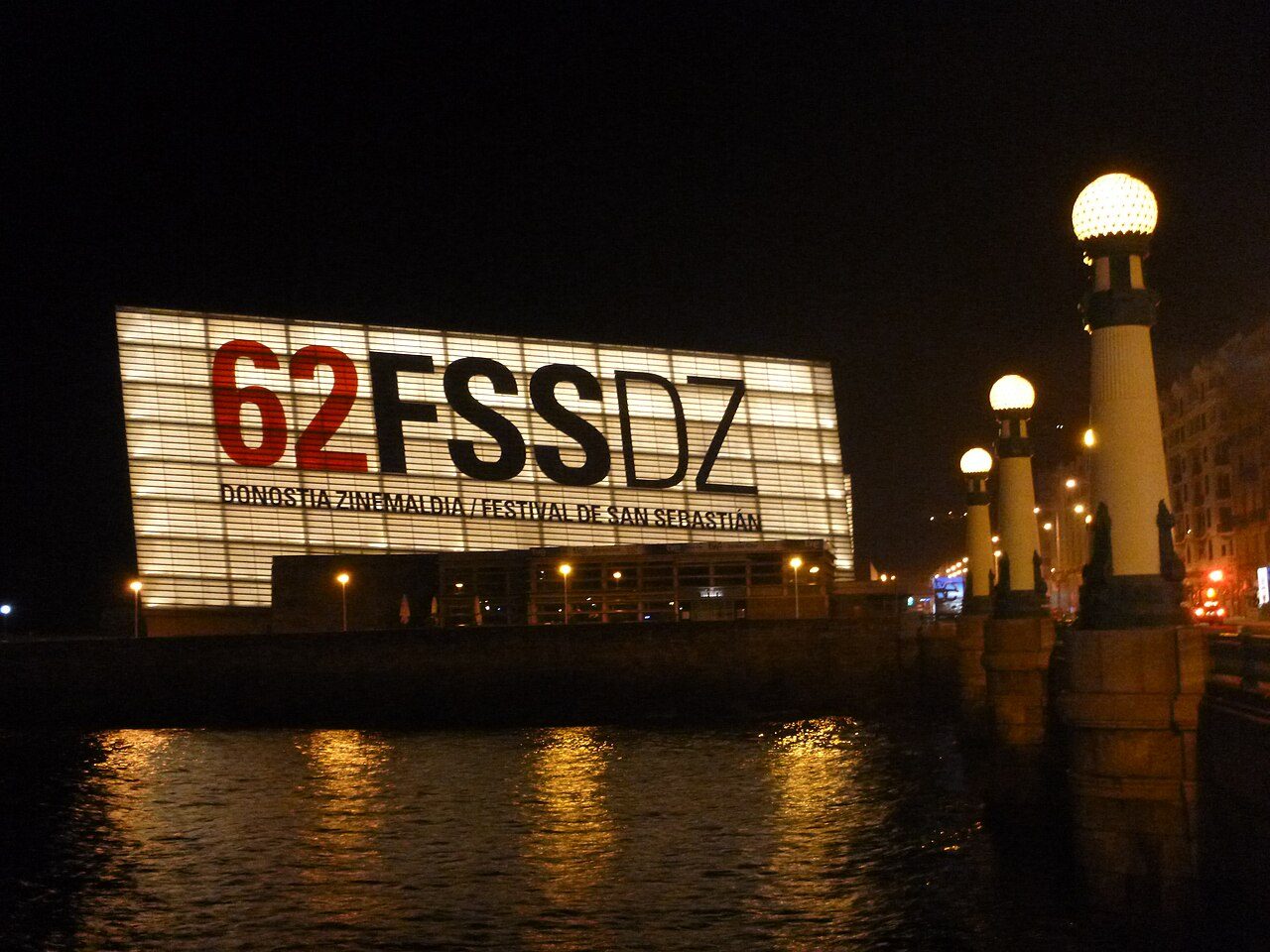
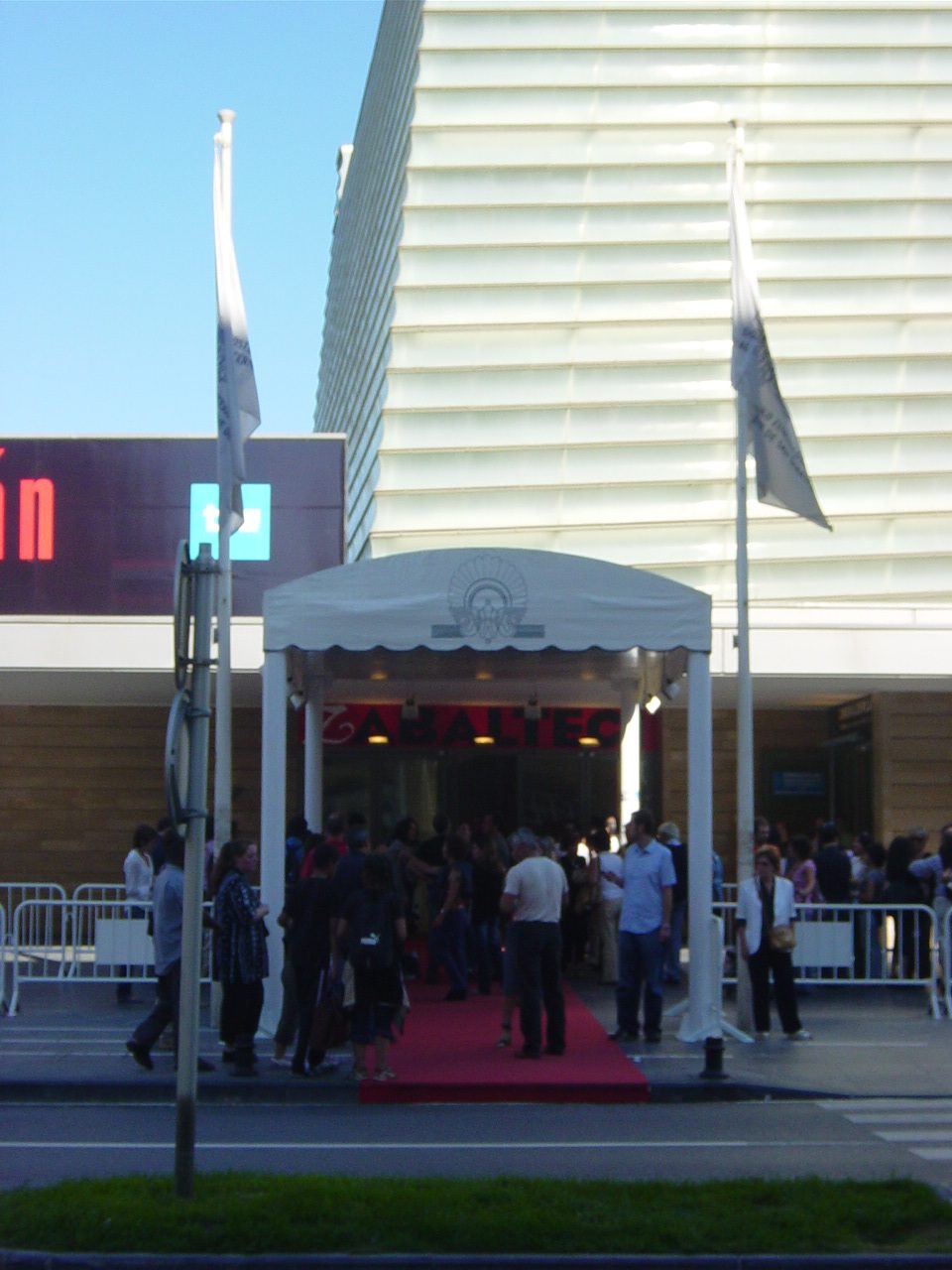
These results add a different part of the 2026 festival story from the Golden Shell, youth-jury, music and Zabaltegi awards already reported in English. The verified question here is who voted in Perlak, how its two audience categories interact and who may receive their monetary awards. The festival’s pages do not establish subsequent box-office performance, international streaming availability or payment of the prize funds. The accompanying 2006 photograph shows an entrance to the festival’s Zabaltegi programme at the Kursaal; it is archival context, not an image of this year’s Perlak votes or closing ceremony.
 프리즘코리아 편집국 > Maya Collins