Perseverance's grain counts reveal the limits of reading Martian rock images
The Jezero study counted resolvable grains in selected images. Its measurement rules matter when comparing textures and interpreting water-altered rocks.
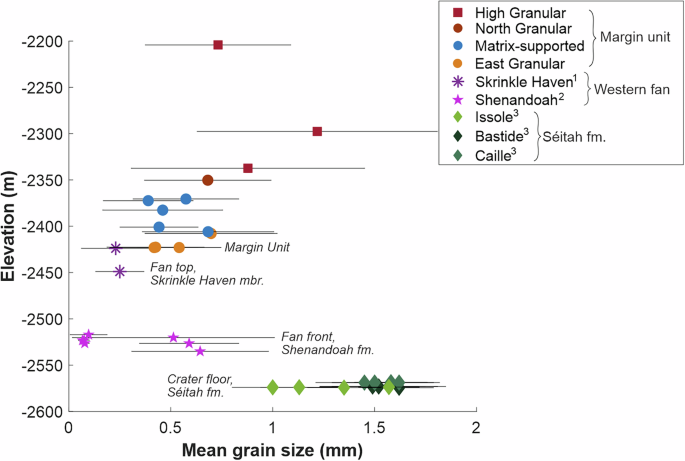
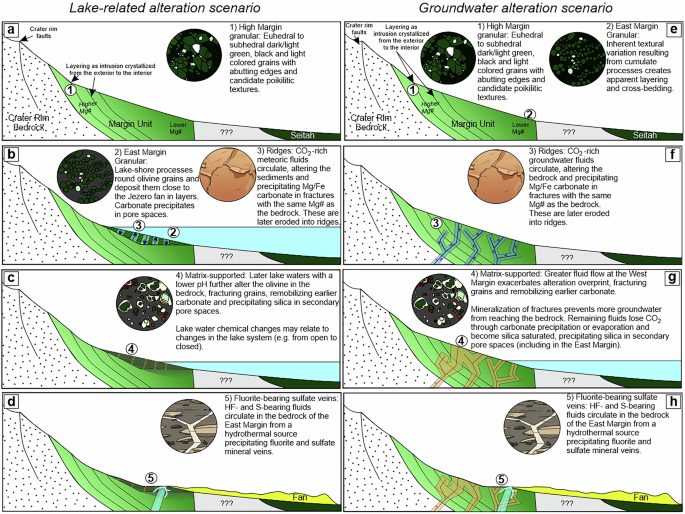
Perseverance's rock images do not measure every grain alike. A September 21 study of Jezero's Margin unit explains the limits behind its grain-size comparisons.
For matrix-supported rocks, the researchers counted grains larger than three image pixels, about 0.18 millimetres. Finer material between the grains remained unresolved. That threshold matters when comparing a measured population with the rock.
The team selected well-focused image mosaics, set their scales using target distance and cropped distorted or blurred edges. Grains at grid intersections were measured; where none was visible, the nearest visible grain was used. Each target with clear images contributed at least 150 measurements.
These choices make the analysis reproducible, but do not turn it into a census of every particle. Grain boundaries, image focus and sampling rules help define what enters the comparison. Readers assessing the water-history interpretation should consider texture with chemistry, not size alone.
 프리즘코리아 편집국 > Alex Rowan